
2025 marks the 38th anniversary of Metal Gear. This game not only laid the foundation for stealth games, but also influenced game design for decades to come! In 1987, home consoles gradually surpassed the influence of arcade machines, and when “Metal Gear Solid” landed on the MSX2 home computer, although it was just a niche game at first, it unexpectedly became the originator of the entire genre!
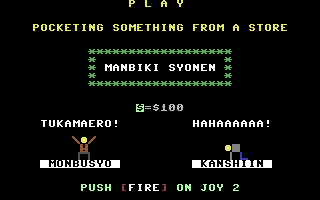
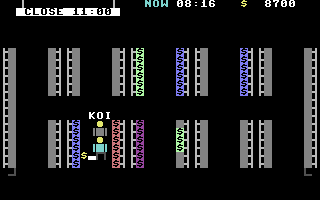
“Manbiki Shounen” (Stealing Boy) is a stealth game launched on the MSX platform in 1979. It is also one of the earliest stealth games in history. Developed by Hiroshi Suzuki, the game revolves around players taking control of a thief trying to steal items in a store while avoiding detection by guards or store clerks.
Although the game is simple in scale, it laid the foundation for many basic concepts of later stealth games, such as sight range (enemy AI will detect the player based on the perspective), stealth avoidance mechanism, and high-risk, high-reward gameplay design. Although it did not attract much attention at the time, its core design concepts were later adopted by more games, and can even be regarded as one of the prototypes of modern stealth games such as “Metal Gear”. Since the MSX platform itself is relatively unknown outside of Japan, the game has only been rediscovered by more retro gaming enthusiasts in recent years.
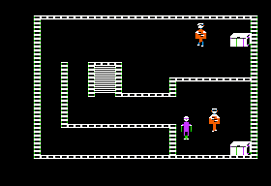
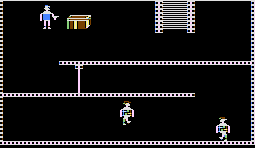
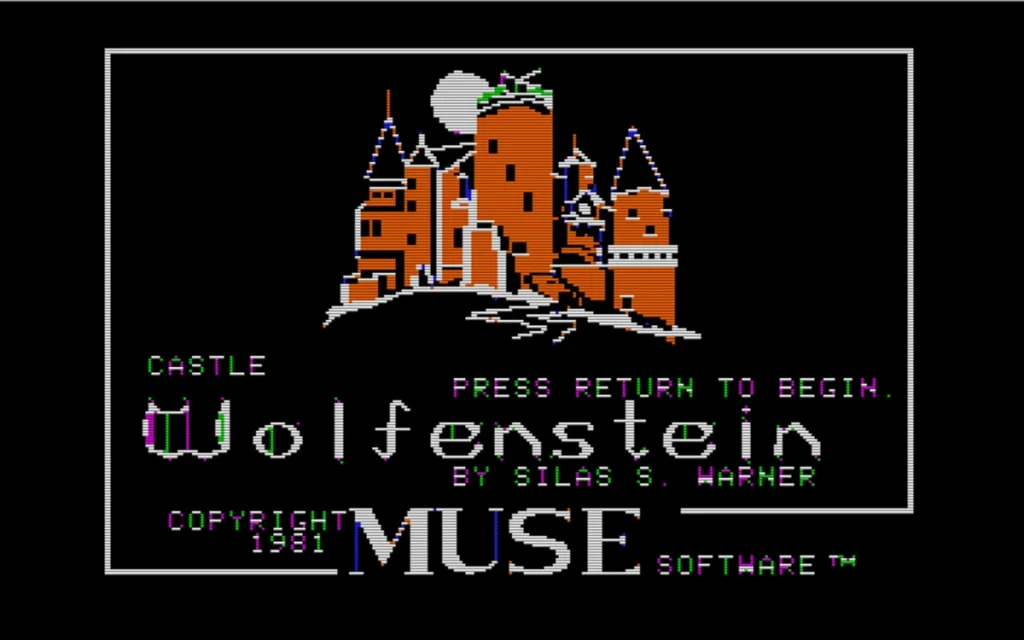
“Castle Wolfenstein” is an early stealth action game developed by Muse Software in 1981. It was originally launched on Apple II and was later ported to MS-DOS, Commodore 64 and other platforms. Players take on the role of prisoners of war and must sneak around the Nazi castle, steal secrets, and successfully escape. The game innovatively introduced enemy AI reactions, camouflage mechanisms, limited resource management and other gameplay methods, which influenced later stealth games such as Metal Gear and Assassin’s Creed. It was also the ancient precursor to the later FPS classic Wolfenstein 3D.
Although there were pioneers of stealth games like “Manbiki Shounen” and “Castle Wolfenstein” before “Metal Gear”, it was “Metal Gear” and its subsequent series that really made the genre popular. Let’s take a look back at the origins of this legendary game and how it impacted the gaming world.
The birth of Metal Gear Solid: An unexpected creative twist
When it comes to “Metal Gear”, the first thing everyone thinks of is Hideo Kojima, but the development process of this game was not smooth. At the time, Konami was developing action-shooting games such as Contra, and Kojima was assigned to a new project that was causing a lot of internal turmoil and was viewed as a source of office politics. However, due to the hardware limitations of MSX2, the game cannot display a large number of enemies and barrages on the screen at the same time, which is a major challenge for traditional action shooting games.
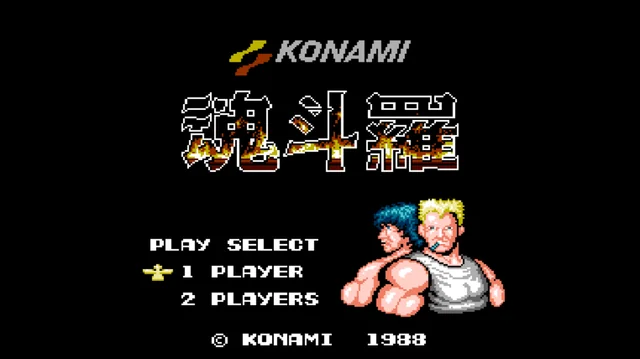
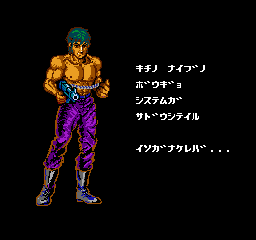
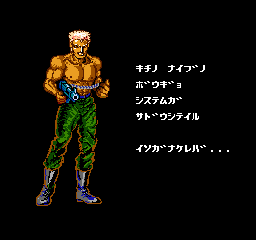
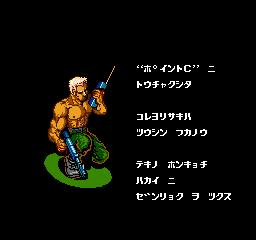
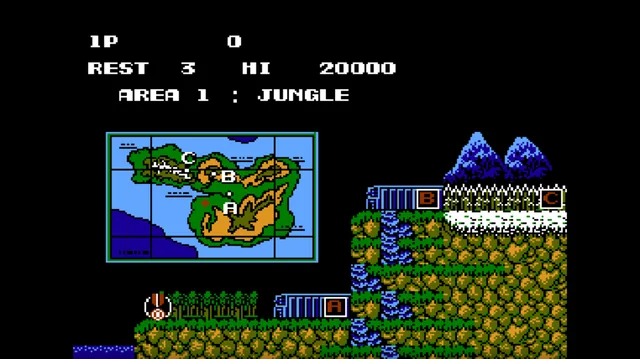
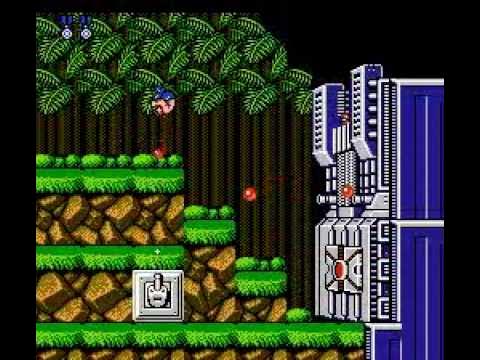
There are obvious differences between the Japanese version of “Contra” on the FC platform and the American version. The Japanese version features visual details such as cutscenes, moving planet backgrounds, and uses a VRC2 chip for smoother graphics. The American version deletes special effects due to technical limitations and increases the difficulty. The game will end directly when the player has 0 lives left. The cover designs of the two versions are also different. The Japanese version prefers a mechanical style, while the American version is influenced by “Terminator” and “Alien” and is more in line with the American market style. These differences reflected the geographical adjustment of the game’s release strategy at the time, and Contra became a classic regardless of the version.
In order to solve this problem, Kojima went in the opposite direction and turned “avoiding enemies” into the core gameplay, so that the player’s goal is not to directly destroy the enemies, but to avoid being discovered and move forward stealthily. However, this concept was not favored by Konami executives at the time. They even questioned: “Avoid enemies? How can this be considered a game?” After all, the popular games of that era were still space shooting and side-scrolling action games, such as “Gradius” and “Goonies”. Fighting and killing content was still the mainstream of that era.
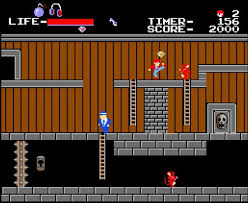
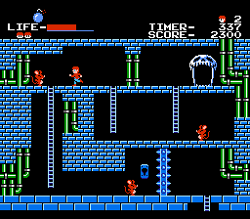
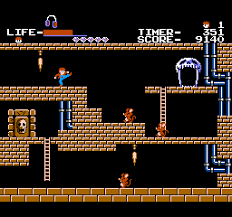
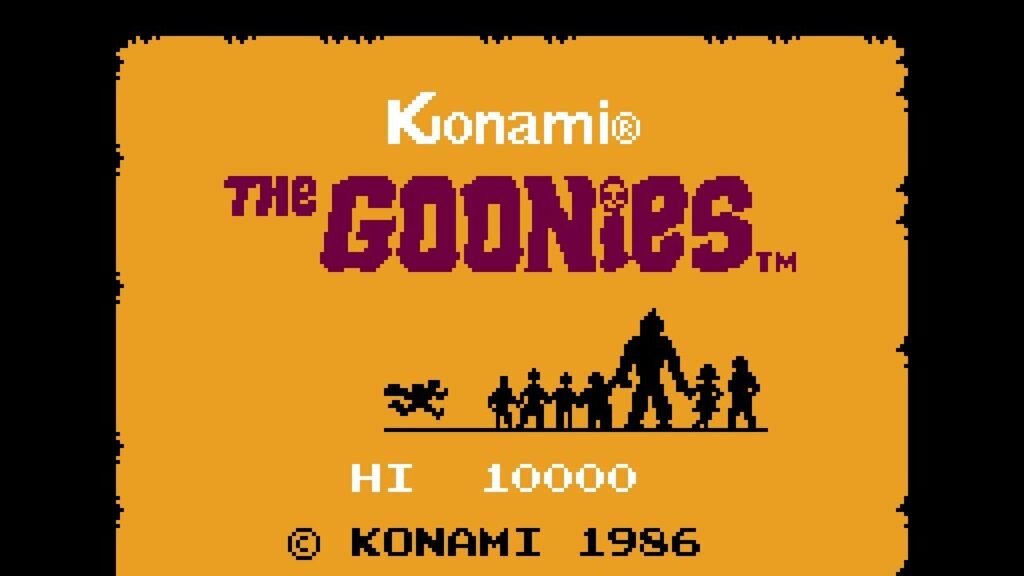
“The Goonies” is a 1986 FC action game developed by Konami. It is adapted from the movie of the same name. Players control the protagonist Mikey to rescue his kidnapped companions in the levels. The game often appears in some pirated cards for Famicom, so it is often recognized. Later, Konami launched an improved version of “The Goonies 2” and re-released the first generation on FDS (disk drive) as a more complete version. Since the first generation of the game in the United States was not officially released on the NES platform at the time, European and American players mistakenly believed that “The Goonies 2” was the only game.
However, Kojima insisted on pushing beyond these limitations and took inspiration from Western movies to create a gaming experience that was unlike any other. He was inspired by prisoner of war escape movies such as “The Great Escape” and originally developed it under the code name “Intruder” to depict the story of a spy infiltrating a military base. Later, he further integrated the espionage elements of the “007 James Bond” series, and eventually evolved into the story of a secret agent going deep behind enemy lines to investigate and destroy a nuclear-armed walking mecha. The codename of this mecha “Metal Gear” not only became the name of the game, but also contained its symbolic meaning in world politics and war machines.
Classic elements and influences of “Metal Gear”
While Metal Gear Solid’s influence is undeniable, replaying the game 35 years later may feel a little uncomfortable. After all, the hardware limitations of MSX2 made the game mechanics at that time incomparable to modern works. However, this game is still full of many unforgettable designs, the most representative of which is the “exclamation point when an enemy is discovered (!)”. This iconic symbol not only became the symbol of the series, but even appeared as an Easter egg in the subsequent Disney movie “Wreck-It Ralph”, which shows its far-reaching influence.
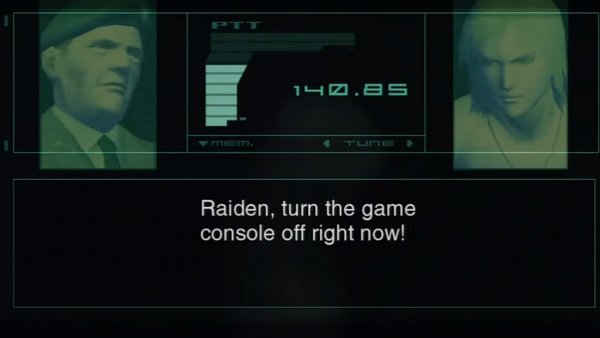
In addition, “Metal Gear Solid” has already begun to challenge the fourth wall. For example, in “Metal Gear Solid 2: Sons of Liberty” on PS2, Captain will tell the protagonist Raiden to “turn off the game console.” This kind of self-aware dialogue was extremely rare at the time and influenced many classic scenes in the subsequent “Metal Gear Solid” series. Many players were tricked into turning off the game in this way.
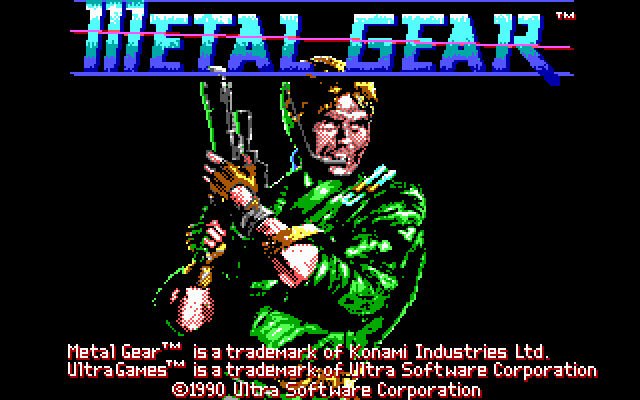
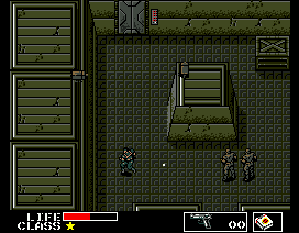
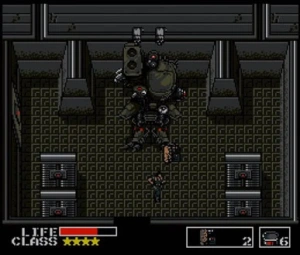
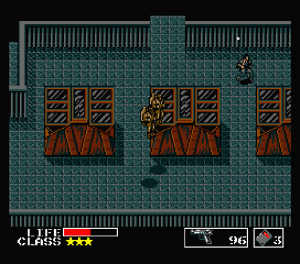
“Metal Gear” was launched on the MSX2 platform in 1987. It was a pioneer of stealth games and was developed under the leadership of Hideo Kojima. Since MSX2 cannot display a large number of enemies and barrages at the same time, the game adopts stealth and avoidance as the core gameplay, allowing players to play Solid Snake, sneak into the enemy base, and destroy the nuclear weapon “Metal Gear”. Compared with the later NES version, the MSX2 version has a more complete plot and mechanics. It is regarded as the true first generation and established the development direction of the subsequent “Metal Gear” series.
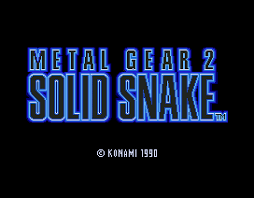
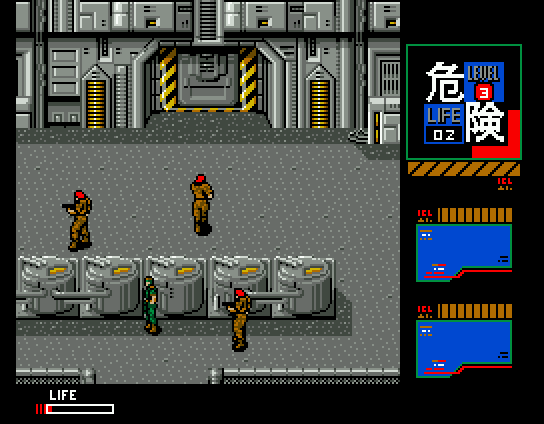
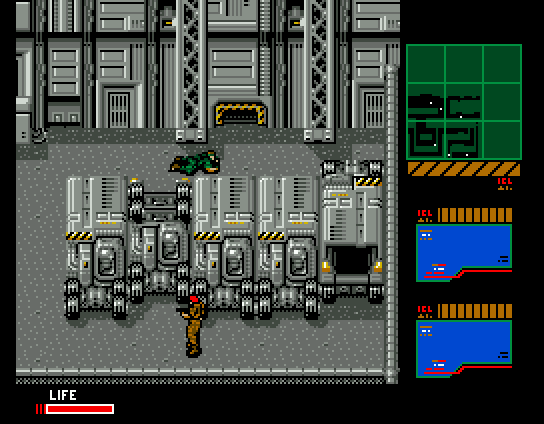
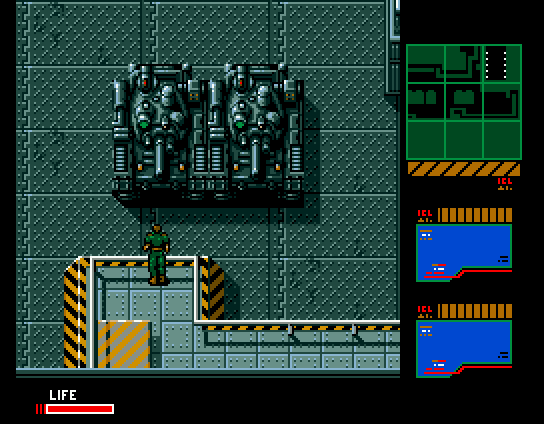
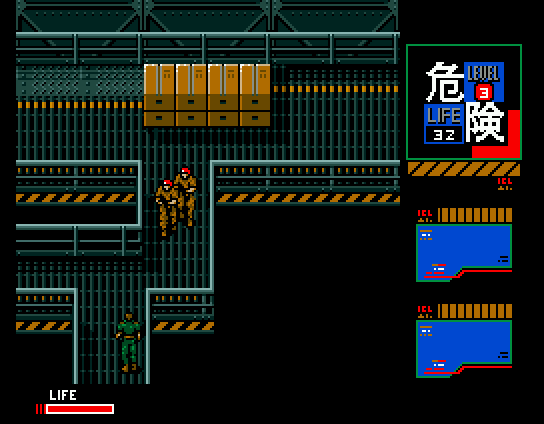
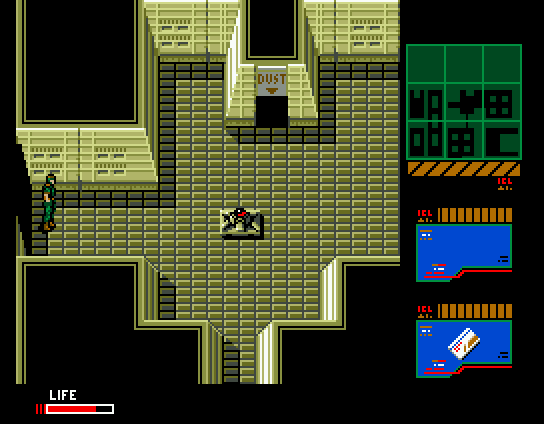
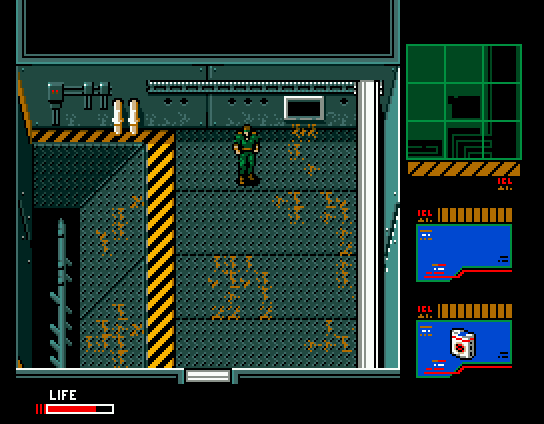
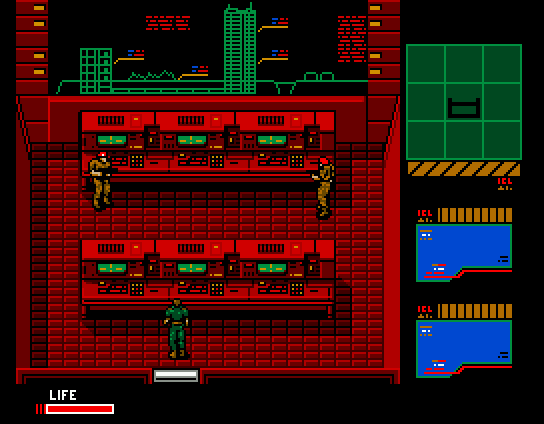
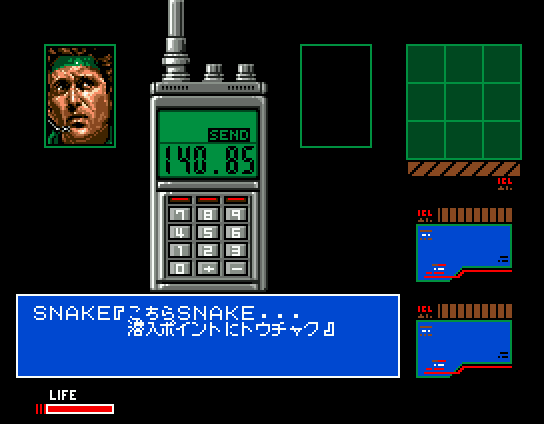
“Metal Gear 2: Solid Snake” (Metal Gear 2: Solid Snake) was launched on the MSX2 platform in 1990. It is an official sequel, developed by Hideo Kojima, and greatly enhanced the stealth mechanism. The game introduced systems such as the enemy’s field of view becoming a cone, the ability to lie down and move, and the sound to affect the enemy’s reaction, making stealth more diverse and laying the foundation for the later “Metal Gear Solid”. The story continues from the first generation, with the protagonist Solid Snake out again to stop the new nuclear weapon Metal Gear D. Due to the relatively unpopularity of the MSX2 platform, it took many years for the game to gain wider attention in compilations and remastered versions.
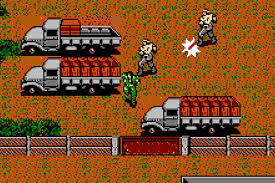
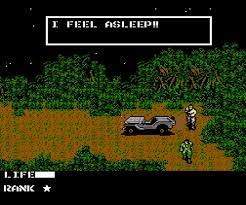
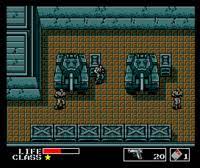
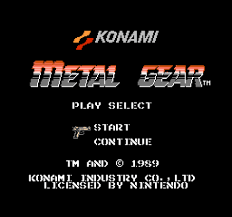
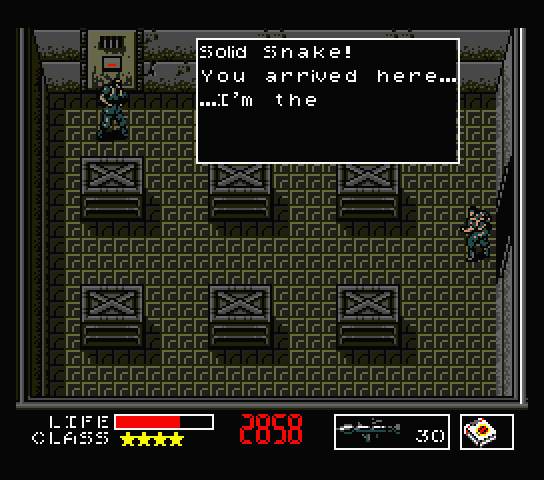
Metal Gear was released on the MSX2 in 1987, but Konami later released a FC (Famicom) version in 1988 with many changes. Compared with the original version of MSX2, the FC version has deleted some levels and plots, and there is no real “Metal Gear” mecha battle, instead ending with a dialogue with a computer terminal. Additionally, enemy AI has been simplified, making the stealth experience rougher. Since NES/FC was more popular in the international market at that time, many overseas players mistakenly believed that the FC version was the standard version of the first-generation “Metal Gear”. It was not until the MSX2 version was re-released that more people became aware of the real original work.
With the launch of Metal Gear Solid in 1987, the stealth genre gradually gained popularity among gamers. However, after the success of this game, Konami developed the sequel “Snake’s Revenge” for the Famicom without Hideo Kojima’s participation. Although this game is not an official sequel, it prompted Kojima to return to develop the real sequel “Metal Gear 2: Solid Snake”. It also established Kojima’s tradition of constantly innovating and pushing the limits of game design. Unfortunately, it is still on the MSX2 platform, and players outside Japan are still out of the opportunity.
Overseas players don’t know MSX
Although the MSX platform occupies an important position in the history of Japanese games and has given birth to classic works such as “Metal Gear” and “Maze of Galious”, it has always been an extremely niche system and is almost unknown in markets outside Japan. At that time, the European and American markets were mainly dominated by platforms such as Commodore 64, Atari ST, Amiga and IBM PC. MSX’s visibility in these regions was extremely low. Even Konami itself did not vigorously promote its MSX works to the international market. As a result, many classic games had no chance to meet Western players at the time.
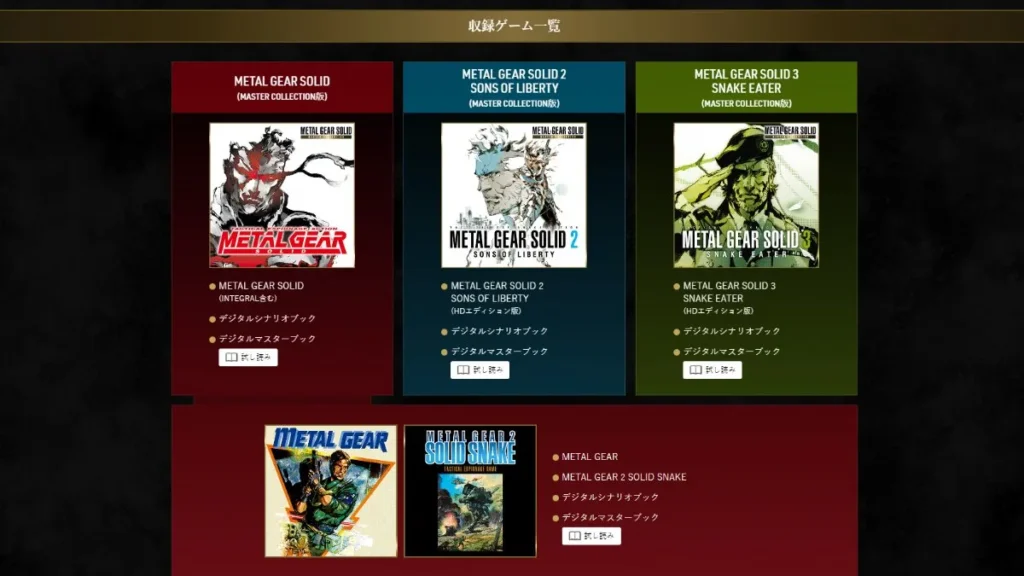
Even today, when it comes to MSX, many foreign players are still unfamiliar with this platform. However, with the release of “Metal Gear Solid: Master Collection Vol. 1” and the rise of retro game collections in the past few years, more and more foreign players have begun to realize that there are huge differences between the MSX version of “Metal Gear Solid” and the Famicom (NES) version. Many people are now surprised to discover that “Metal Gear”, which was directed by Hideo Kojima for the first time, was not the NES version, but the MSX2 version, and this version has a more complete plot, level design and gameplay mechanism.
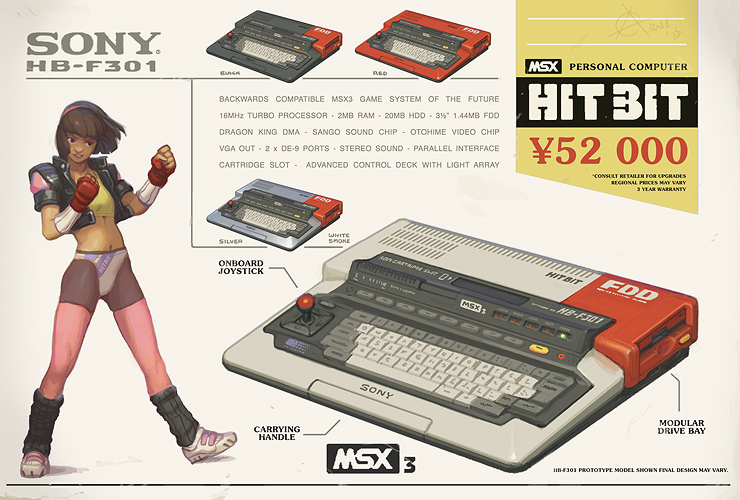
MSX It is an 8-bit home computer standard launched in 1983 by Microsoft in cooperation with many Japanese companies, including major electrical appliance companies, aiming to unify personal computer specifications on the market. initial MSX1 It is equipped with a Z80 processor and a V9938 display chip, but the hardware performance is limited and it is difficult to display complex images. Launched in 1985 MSX2 The introduction of the V9958 display chip supports higher resolution and more colors, greatly improving game performance and giving birth to classic works such as “Metal Gear Solid”. 1988 MSX2+ Further improve animation smoothness, but its influence is limited due to the rise of home consoles. 1990 MSX TurboR Using the more powerful R800 processor, PCs and home consoles have gradually dominated the market. The MSX series was eventually discontinued in 1995. Although it had a smaller impact on the European and American markets, it left a profound impact on the development of the game industry.
It wasn’t until the 2020s that the Western gaming community truly began to recognize the MSX platform and re-evaluate its impact on gaming history. With the development of emulator technology and the rise of official remake plans, games on the MSX platform have finally begun to receive overseas attention. Although it has come a little late, this once forgotten system is finally getting the recognition it deserves among players around the world.
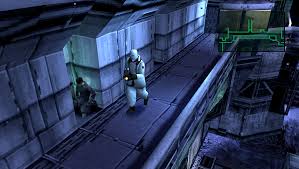
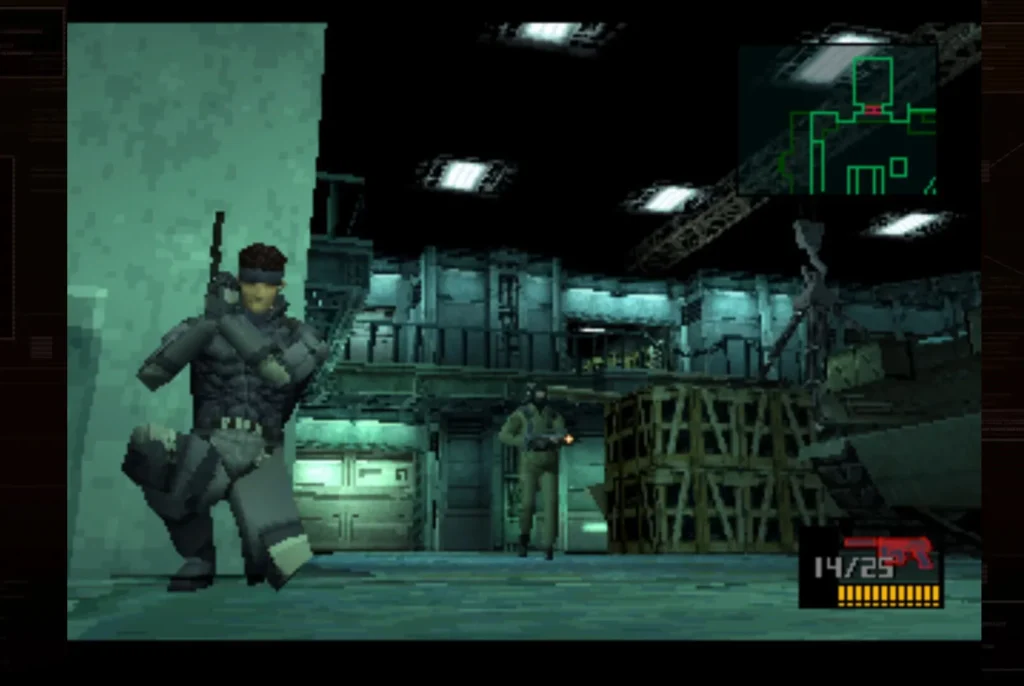
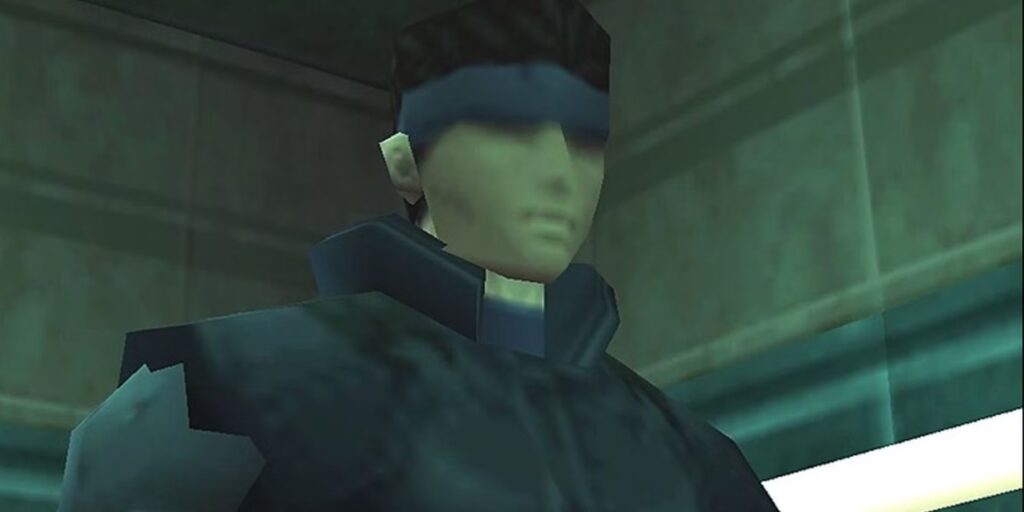
“Metal Gear Solid” launched on the PlayStation (PS1) in 1998. It is Hideo Kojima’s orthodox sequel to the MSX2 “Metal Gear Solid 2” and set the standard for 3D stealth games. The game uses a full 3D perspective and real-time cutscenes, combining movie narrative style and tactical stealth gameplay, allowing players to play Solid Snake and sneak into the “Shadow Moses” island to prevent terrorist organizations from launching nuclear threats. Unique enemy AI, classic boss fights such as Psycho Mantis loading memory cards, and fourth-wall-breaking performances made this game one of the masterpieces of the PlayStation era, influencing countless subsequent stealth games.
What made Hideo Kojima truly famous was Metal Gear Solid, which was later released on PS1. It was from this work that almost all players outside Japan began to know Hideo Kojima as a producer. Even though Hideo Kojima and Konami officially parted ways in 2015, his influence is still far-reaching. His latest works, “Death Stranding 2” (Death Stranding 2) and “Project Overdose” still continue many of the unique narrative styles and creative elements established in the “Metal Gear” series.
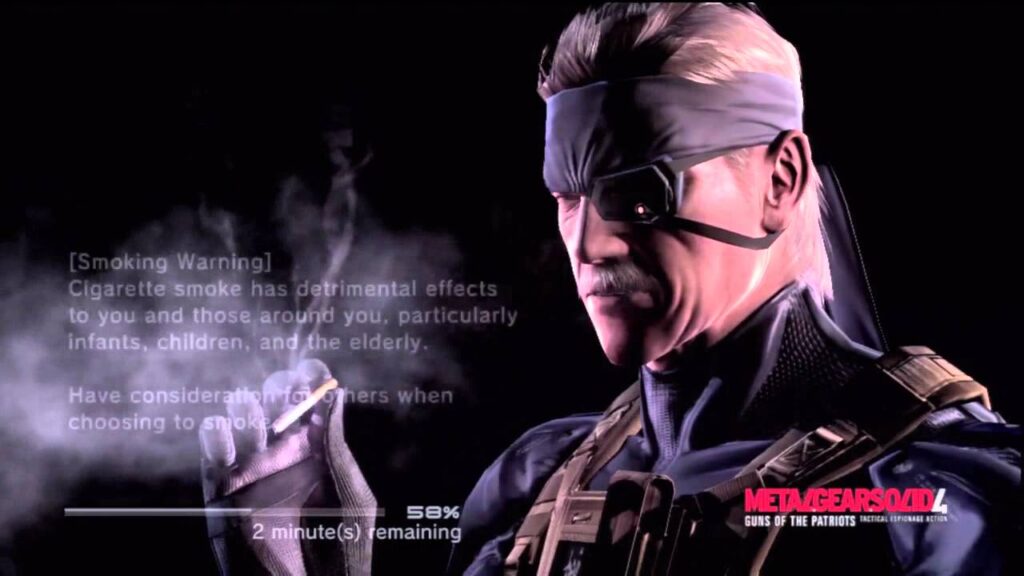
“Metal Gear Solid 4: Guns of the Patriots” (Metal Gear Solid 4: Guns of the Patriots) launched on PS3 in 2008 and is known for its high-resolution graphics and large number of cutscenes. In the game loading screen, the elderly Old Snake is smoking a cigarette, and the smoke slowly disperses, creating a heavy atmosphere, hinting at his declining body and the apocalyptic feeling of the game. This is not only a stylized performance, but also echoes the setting in the series that “smoking can help stealth but is harmful to health”, making the loading screen a part of the game experience.
In addition, many non-stealth games today are beginning to borrow elements from Metal Gear Solid. For example, in action games or shooting games, players often need to use stealth to avoid enemies or make tactical responses when enemies are alert. This sense of tension and strategy is the lasting impact that “Metal Gear” has brought to the gaming industry.
Is there any chance that the real Metal Gear Solid original will be remade?
On the occasion of its 38th anniversary, many fans are still looking forward to the return of this generation of “Metal Gear” to the gaming market in some form. Of course, Konami has launched the original version on all platforms, but what players want is a real remake. Rumors continue to emerge, whether Konami will launch an official remake, or whether Hideo Kojima will try to develop similar works, making the future of this classic series full of infinite possibilities.
No matter what the future holds, this game has undoubtedly left an indelible footprint in gaming history and will continue to influence a new generation of game developers and players.
source:GAME RANT