
In the world of video game music, there are few composers with a resume as impressive as Hitoshi Sakimoto’s, which is perhaps ironic since he didn’t originally plan to become a musician.
Hitoshi Sakimoto, who calls himself a “tech geek,” first entered the gaming industry as a programmer and composer in his youth. He participated in the development of a PC8801SR vertical shooter called Revolter, which was produced by a small game development team at the time. During this period, he not only composed music for games, but also developed a sound driver called “Terpischorean”. This system was later widely used in countless Japanese games. Although he contributed music to Revolter, he was still more content as a game programmer at the time. However, with the encouragement of friends and colleagues, he finally decided to focus on composing full-time, and over the next decades he created classic scores for many games. The most well-known of them is his long-term cooperation with game director Yasuki Matsuno, including “Ogre Battle”, “Final Fantasy Tactics”, “Vagrant Story”, “Final Fantasy XII” and other works.
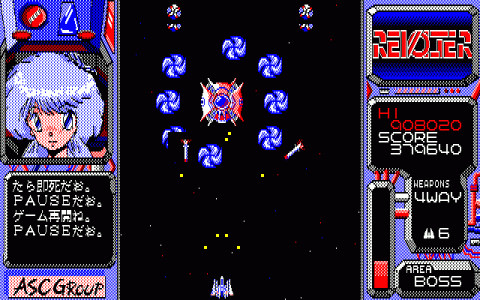
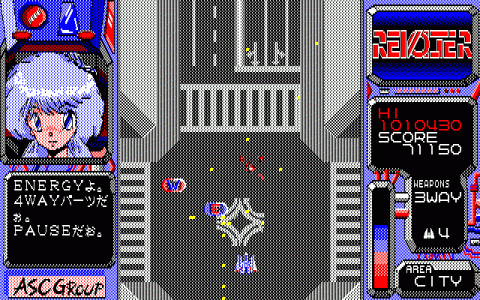
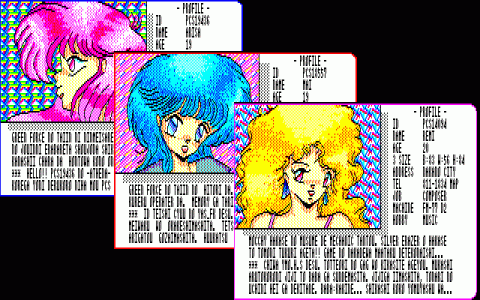
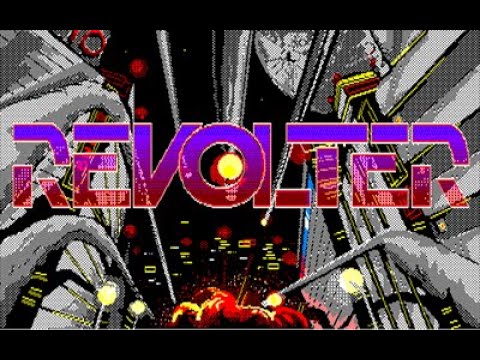
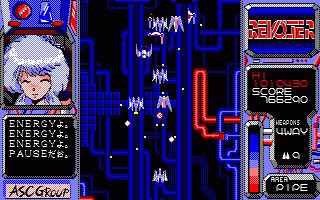
“Revolter” is a vertical scrolling shooting game released at Comiket, a Japanese fan exchange meeting, in 1988. It is suitable for the NEC PC-8801MkIISR series. This game was developed as a fan by Hitoshi Sakimoto, who was still a student at the time. He was not only responsible for the game music, but also wrote a sound effect driver called “Terpischorean”. This system was later widely used in Japanese games. The PC-8801 series is an 8-bit home computer launched by NEC in 1981. With its powerful graphics and sound capabilities, it was very popular in the Japanese market in the 1980s and became the development platform for many well-known games, including “ZIRIA”, “Ys” and “Thexder”. PC-8801’s rich game lineup also allowed fan games such as “Revolter” to be developed on the platform, laying the foundation for Sakimoto Hitoshi’s future entry into the game industry.
Recently, Hitoshi Sakimoto composed the soundtrack for the new fantasy strategy RPG “Sword of Convallaria”/”Sword of Suzuliana” developed by XD Entertainment. We also had the opportunity to ask a few questions to this legendary composer. We took this opportunity to ask him about his experience as a programmer turned composer, his creative experience in games such as “Final Fantasy Tactics”, “Magical Chase” and “Radiant Silvergun”, as well as the changes in game music production over the years. Please enjoy this fascinating conversation!
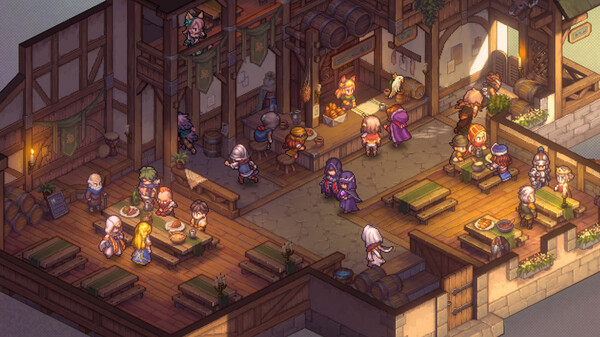
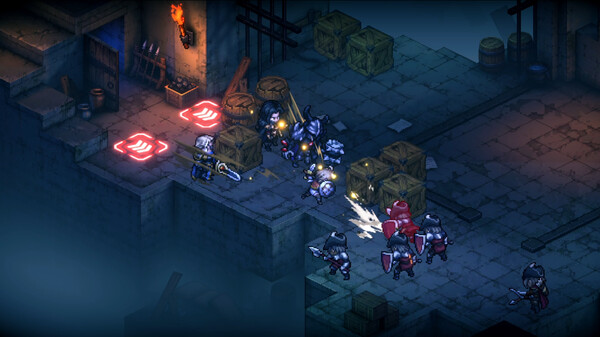
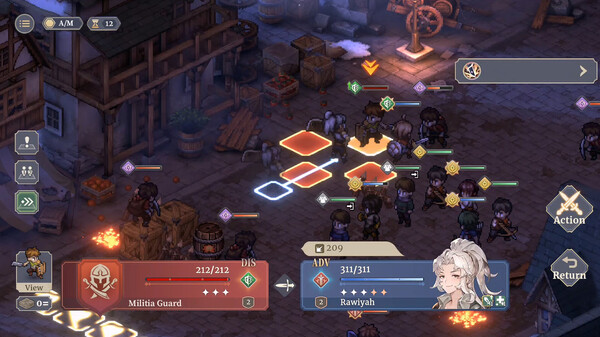
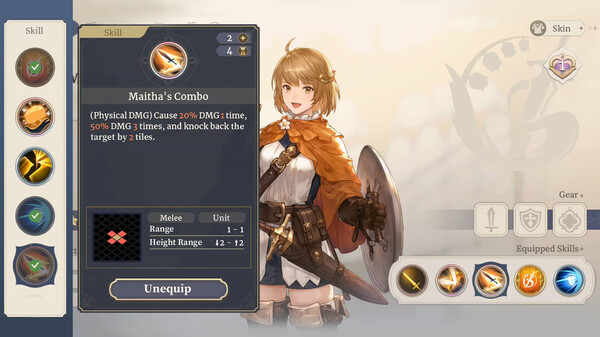
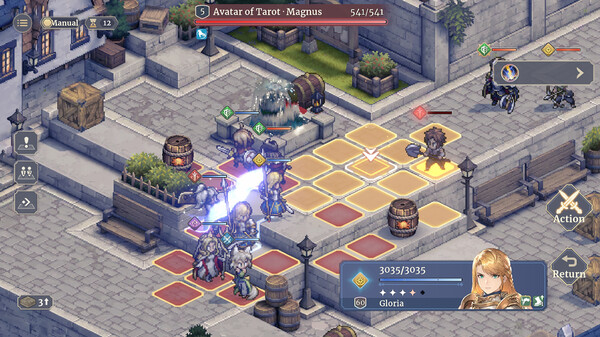
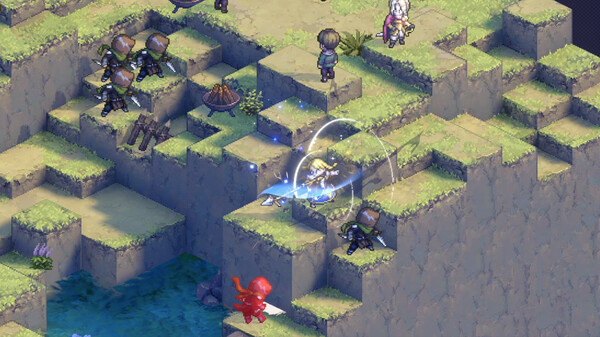
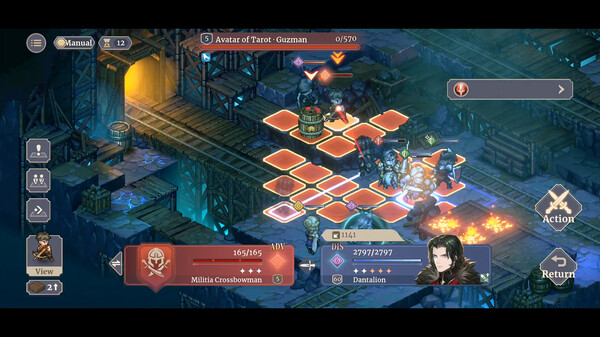
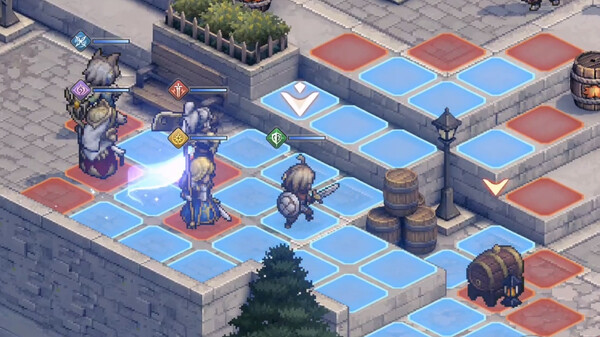
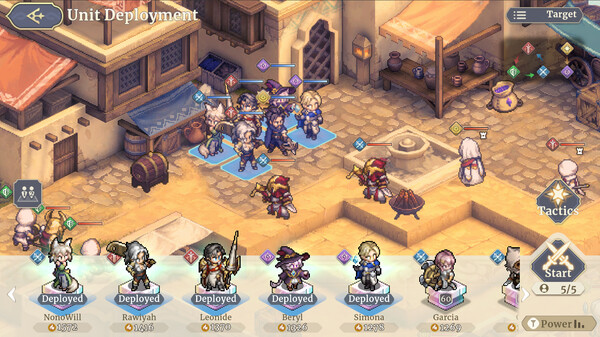
“Sword of Convallaria” is a strategy role-playing game (SRPG) developed by XD Entertainment, inspired by the classic “Final Fantasy Tactics” and “Ogre Battle” series. The game adopts a quarter-view, with chess-style turn-based combat, emphasizing strategic layout and character development. Players will play the role of the leader of a mercenary group, leading the team to unlock the secrets of the kingdom on the war-torn Farwell continent, and make choices that affect the development of the plot in the turbulent situation. The game’s art style combines pixel art and detailed 3D scenes, and the soundtrack is composed by the well-known composer Hitoshi Sakimoto, creating a strong classic war RPG atmosphere. “Sword of Suzuli” is available on PC, Android and iOS platforms for free play, trying to pay tribute to old players while bringing a new strategic experience to modern players.
Time Extension: Let’s start with “Sword of Suzuliana”! This is a new fantasy strategy RPG developed by XD Entertainment. How did you get involved in this project? What was the most exciting part of making this game for you?
Hitoshi Sakimoto:
I think XD came to me because I have a very distinct representation in the field of quarter-view strategic RPG. However, even though I had participated in many games of this type in my twenties, my participation in “Sword of Suzuliana” this time was actually my return to this style of work after a long absence.
When I first met the XD team, I was deeply impressed by their love and passion for games, especially their strong affection for the genre. Additionally, I was impressed by the younger members of the team. In the Super Nintendo era, the birth of games like “Tactics Ogre” was partly due to the limitations of hardware technology, while XD chose this direction simply because of his love for this style. I was pleasantly surprised by their belief and commitment to this type of game, which made me feel that this was something beyond my imagination.
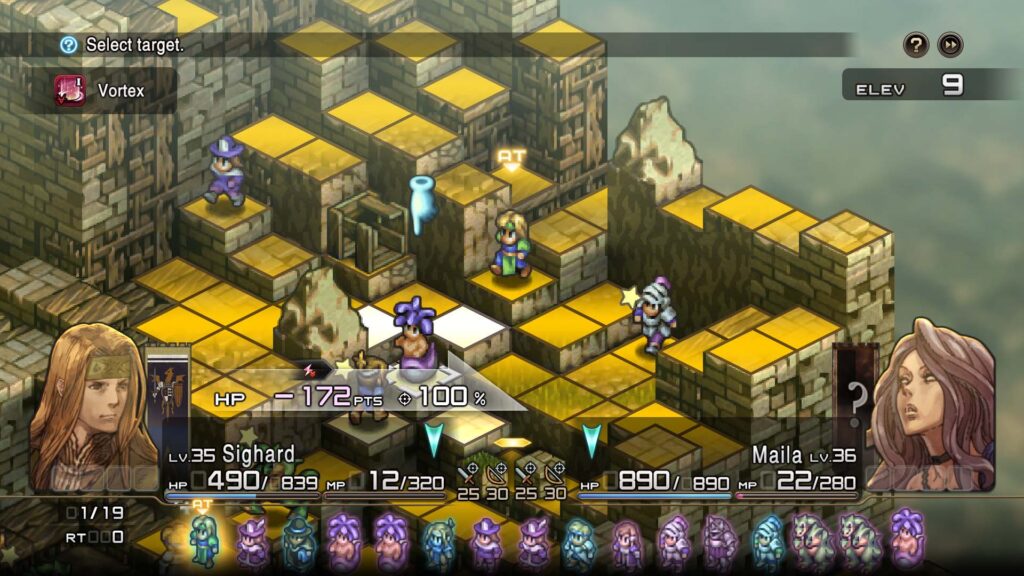
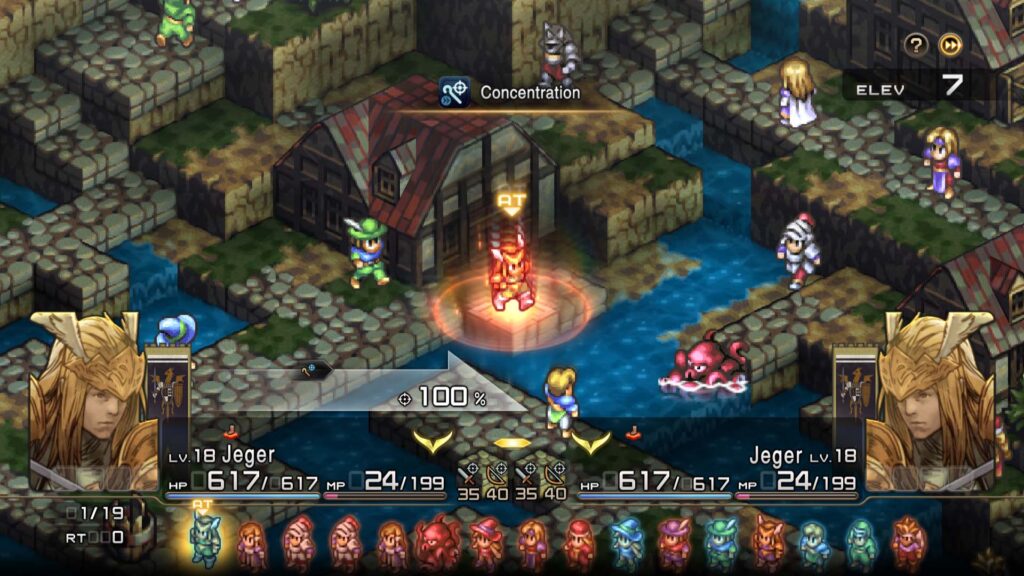
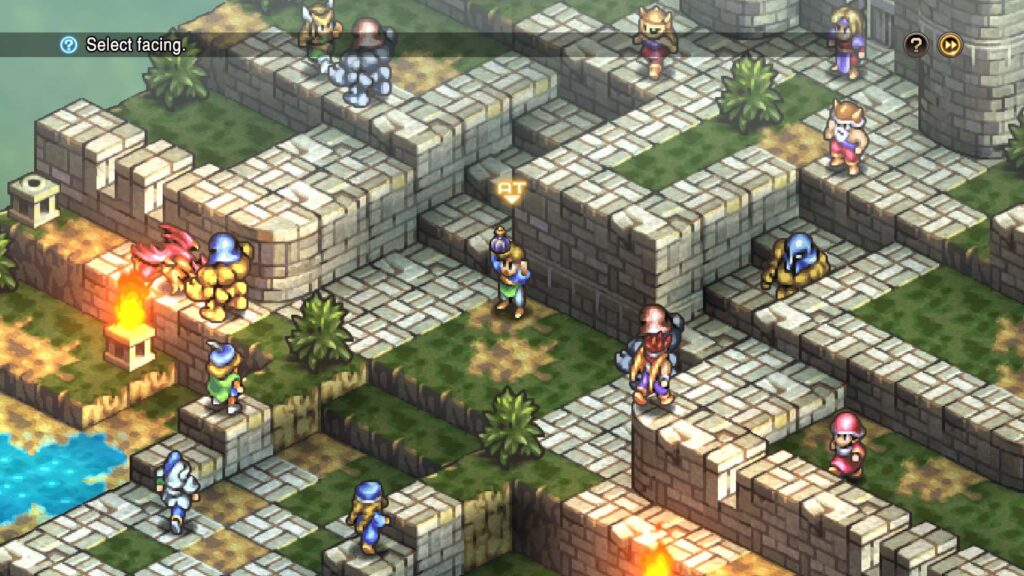
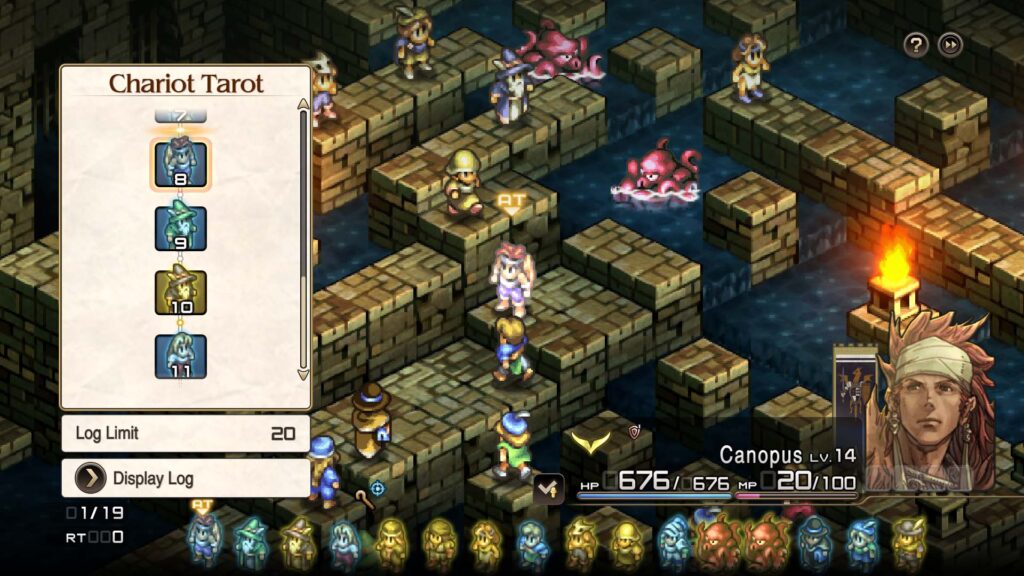
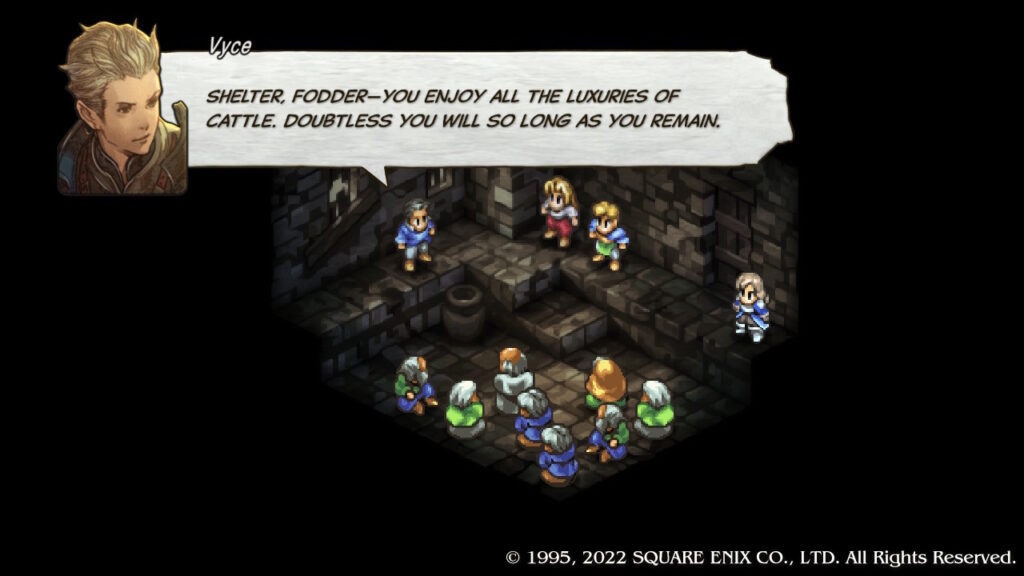
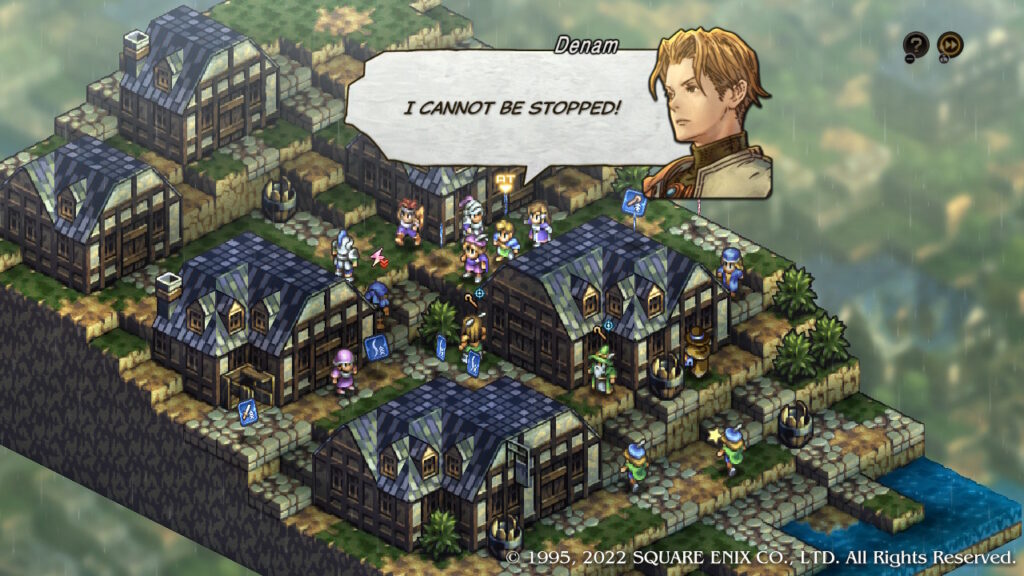
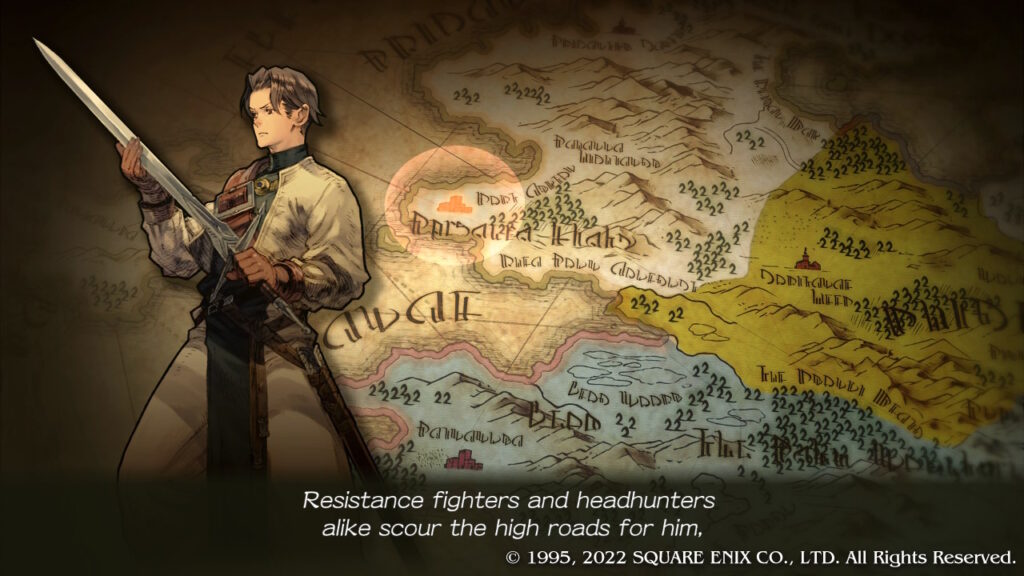
“Tactics Ogre” is a classic strategy role-playing game (SRPG) developed by Quest and published by Square Enix. It was originally launched on the Super Nintendo platform in 1995 and was later ported to PlayStation, PSP and modern platforms. The game is directed by Matsuno Yasuki, with Hitoshi Sakimoto and Masaharu Iwata responsible for the soundtrack, laying an important foundation for the war RPG genre. The story revolves around the fictional Valyrian Islands. Players will play the protagonist Dam and make major choices that affect the development of the plot in the midst of civil war and political struggle. The game is famous for its complex strategic combat, character development, branching plots and moral choice system, and deeply influenced later “Final Fantasy Tactics” and many strategic RPG works. In 2022, Square Enix launched a remastered version of “Tactics Ogre: Reborn”, which further optimized the game graphics, combat system and character voices, giving this classic a new look.
Hitoshi Sakimoto:
The greatest joy of working in the entertainment industry is meeting passionate people and being constantly surprised by their creations. I’m so grateful for this encounter.
Time Extension: Is a project like “Sword of Suzuliana” relatively easy for you? After all, you have years of experience creating music for similar games. Or are you still worried about how players will react to your music?
Hitoshi Sakimoto:
From my experience, it can actually be quite challenging to play a similar type of game again. The biggest reason is that this type of work often creates expectations for similar music. However, if I get too entangled in this idea, it will be meaningless. In the end, I will always return to the mentality of “doing my best in the moment” when creating.
Luckily, I still remember clearly the goals I set out to create this type of game music in my twenties. When composing the music for “Sword of Suzuliana”, I revisited the direction and technical challenges at the time, and combined these experiences with the abilities I have accumulated now to create this music.
Hitoshi Sakimoto:
I always worry about whether players will accept my work. Despite this, I still believe that the creator’s investment and intention can eventually be conveyed, even if the work may not meet everyone’s expectations. With this belief, I will give my best every time.
Time Extension: If we could, we’d like to go back to the first moment of your interest in music. Was there a particular artist or band that had a profound impact on you during your childhood and set you on the path to becoming a musician?
Hitoshi Sakimoto:
Whenever I tell this story, people are usually a little disappointed. But the truth is, I’ve always been a tech geek. When I first entered the game industry, I actually started as a programmer. However, through many twists and turns, I ended up becoming a composer out of nowhere. I have never had such a clear idea of ”I want to be a musician.”
Despite this, I still love music very much, especially electronic music, such as representative electronic bands such as YMO (Yellow Magic Orchestra) and Kraftwerk. Their influence on me is still profound.
Time Extension: You started composing music for video games when you were a teenager. Can you tell us about the first game project you worked on? How did this project come about?
Hitoshi Sakimoto:
The first game I composed music for was “Revolter” on the PC8801SR platform. This was a work developed by a fan team (fan club). And if we want to talk about a real commercial project, it should be the transplantation of the Game Boy version of “Bubble Ghost”.
When I was developing “Revolter”, my initial job was to write hardware-related programs. However, since I seemed to be the only one in the group who had the ability to compose, the job fell to me to try my hand at composing music.
As for “Bubble Ghost”, I decided to officially invest in this work at that time, and began to visit major game companies with the sound driver program I developed. The first one I was approached about was “Bubble Ghost”. In fact, before that, I had already participated in the sound effects production of some commercial games, but my job at that time was mainly responsible for arrangement and programming, rather than independent composition of music.
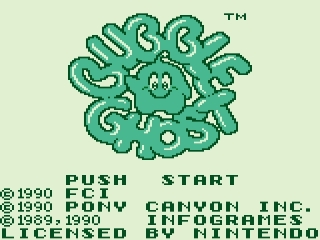
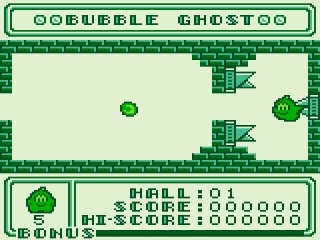
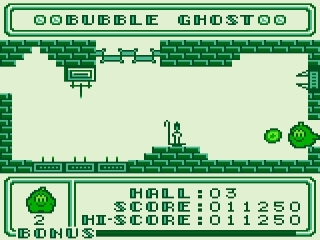
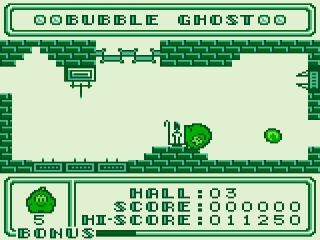
“Bubble Ghost” is an action puzzle game first launched on the Atari ST platform in 1987. It was developed by Christophe Andréani and was later ported to multiple platforms. The Game Boy version of Bubble Ghost was released in Japan by Pony Canyon in 1990 and is one of many ports of the game.
In “Bubble Ghost”, the player controls a cute ghost. The goal is to use its breath to blow up a bubble and let the bubble pass through various obstacles safely to reach the end of the level. The difficulty of the game is that the levels are full of obstacles such as spikes, candles, and fans. A little carelessness will cause the bubbles to burst, testing the player’s operational accuracy and judgment. This game is also well-known in the Asian market, and can occasionally be seen in pirated greeting cards. For players who loved handheld games back then, this game is familiar.
Time Extension: Early in your career, you collaborated quite frequently with Iwata. How did you meet? How do you complement each other in music creation?
Hitoshi Sakimoto:
I met Mr. Iwata during the “Revolter” project I just mentioned, and he was also involved in composing the game at the time.
Since Iwata-san and I have very different musical styles and production methods, when we collaborate, we usually review the track list first and choose the parts we each want to be responsible for. Under this division of labor, we are able to leverage each other’s strengths, and the overall music presents a complementary effect.
Hitoshi Sakimoto:
Regardless, it’s been a very interesting and rewarding experience for me to work with people who have different creative approaches. Whenever I hear Iwata-san’s new compositions, I am always surprised and think to myself, “This is how he interpreted this music.”
Time Extension: There are many memorable game scores worth discussing during your career in the 16-bit era. Among them, “Magical Chase” (PC Engine version) is particularly outstanding. Do you have any special memories of the process of creating this game’s soundtrack?
Hitoshi Sakimoto:
“Magical Chase” is my first time participating in PC Engine game development. Starting from designing the sound driver, I explored what kind of sound effects this system can produce through constant experiments and adjustments. Due to the sound source characteristics of the PC Engine, it is quite difficult to produce a thick sound, but considering the cute and lively atmosphere of the world of “Magical Chase”, I think such a sound is very suitable for the game.
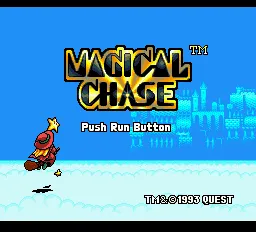
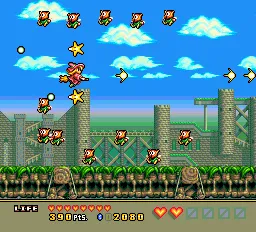
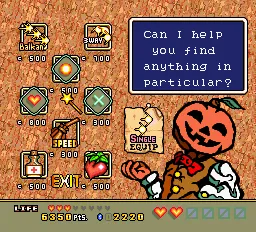
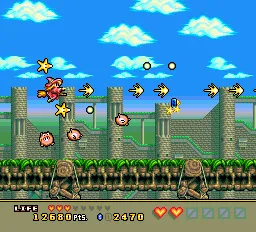
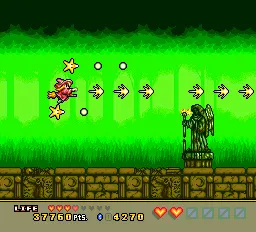
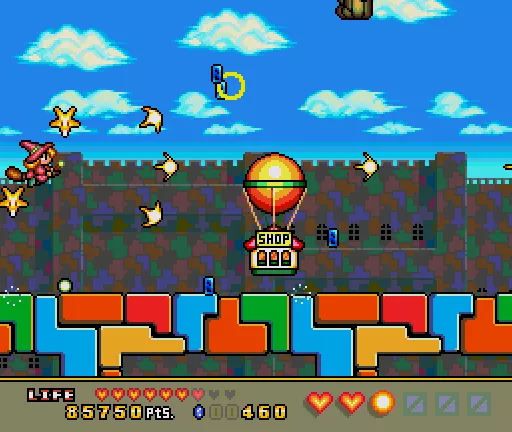
“Magical Chase” is a 1991 platform shooter developed by Quest and published by Pony Canyon on the PC Engine. Players control the cute little witch Ripple, riding a broom through fantasy levels and fighting various strange enemies. The game is known for its bright art style, smooth gameplay, and upbeat soundtrack co-written by Hitoshi Sakimoto and Masaharu Iwata. Due to the small number of releases of the PC Engine version, it has become a rare work in the collector market, with a high price, and is regarded as a classic masterpiece by many retro game fans.
Time Extension: You’ve mentioned in past interviews the significance of Ogre Battle: The March of the Black Queen to your career. What did you learn from working on this project with Matsuno Yasuki as director?
Hitoshi Sakimoto:
Ogre Battle was the first time I had to write music in an orchestral style, and from that point on many people began to think of me as having a background in classical music, which was a major turning point in my career. Every time someone mentions this, I have to explain, “That’s not the case,” which makes me dumbfounded (laughs).
Hitoshi Sakimoto:
Working with Mr. Matsuno, especially on Tactics Ogre , I remember facing a lot of challenges as he asked me to express more delicate emotions. Although Tactics Ogre is often discussed for those impactful scenes, Mr. Matsuno’s requirements for emotional expression are actually very diverse, covering the atmosphere creation before and after these scenes take place. I was struck by his explicit vision for the construction of dramatic tension. That experience is still an important foundation for me when making game soundtracks.
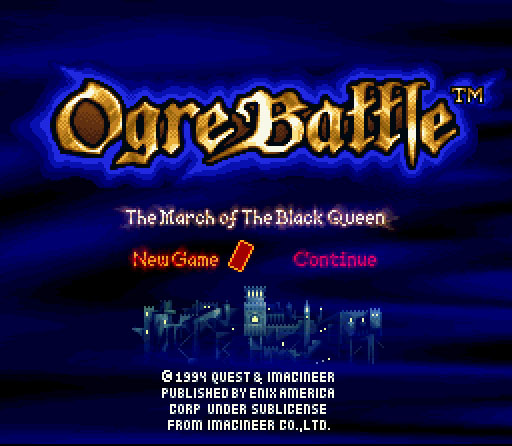
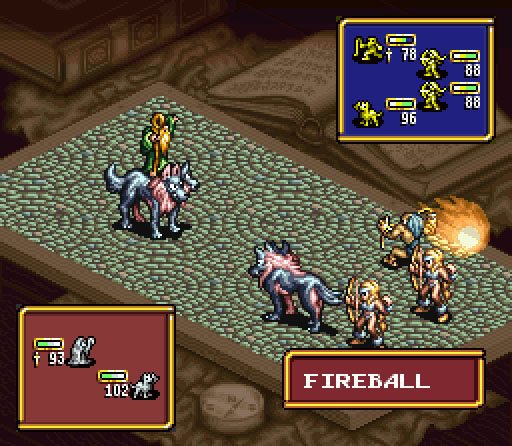
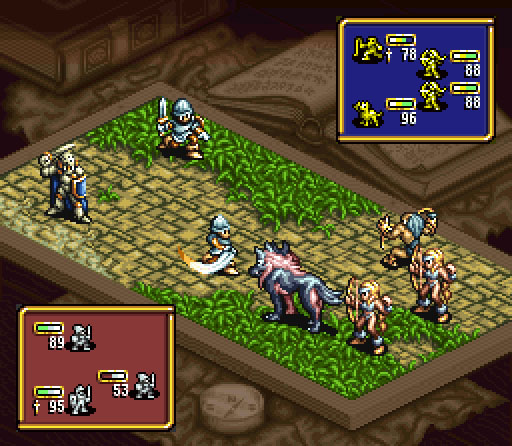
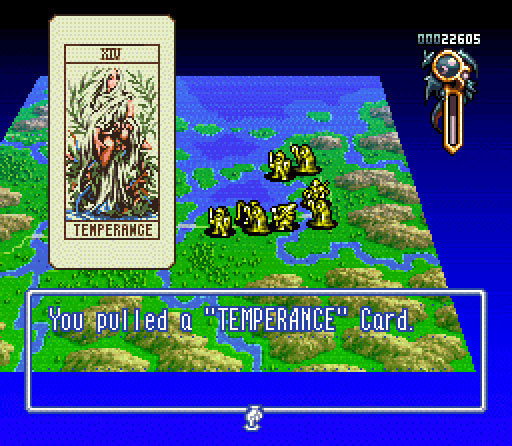
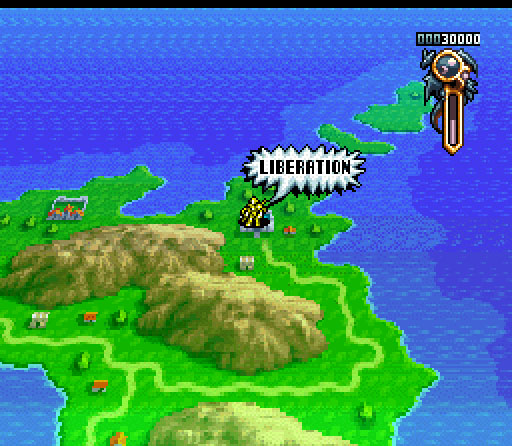
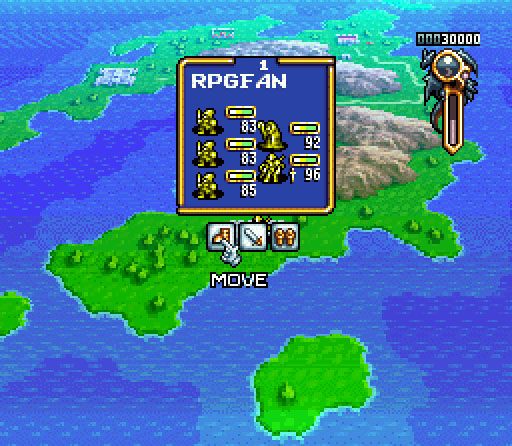
“Ogre Battle: The March of the Black Queen” is a strategic role-playing game (SRPG) developed by Quest and published by Enix (now Square Enix) on the Super Nintendo platform in 1993. It was later ported to PlayStation and Neo Geo Pocket Color. The game was directed by Matsuno Yasuki, with Hitoshi Sakimoto and Masaharu Iwata responsible for the soundtrack, which laid the foundation for future “Tactics Ogre” and “Final Fantasy Tactics”. Players will lead the revolutionary army to fight against tyranny, and influence the plot direction and ending through a unique system that combines real-time strategy and turn-based combat. With its deep strategic nature and multiple branching stories, “Ogre Battle” has become a classic war RPG.
Time Extension: After “Ogre Battle”, you continued to cooperate with Mr. Matsuno in multiple works, including “Final Fantasy Tactics”. How did you feel about such a classic series famous for its music? Do you feel stressed? Are there any interesting stories from the making of this game?
Hitoshi Sakimoto:
When the name “Final Fantasy” was linked to this project, I did feel a little confused and stressed, but overall, it is actually quite close in style to the previous works. From the very beginning, the team told me that I didn’t need to deliberately follow Nobuo Uematsu’s musical style, so I felt that I enjoyed the process most of the time.
Compared with the previous game, the number of developers involved this time has significantly increased, but what is even more special is that Square Enix at the time had about 1,000 employees who loved games, which made things a bit complicated. However, I spent a lot of time drinking and communicating with people from different departments, which was an unforgettable experience (laughs).
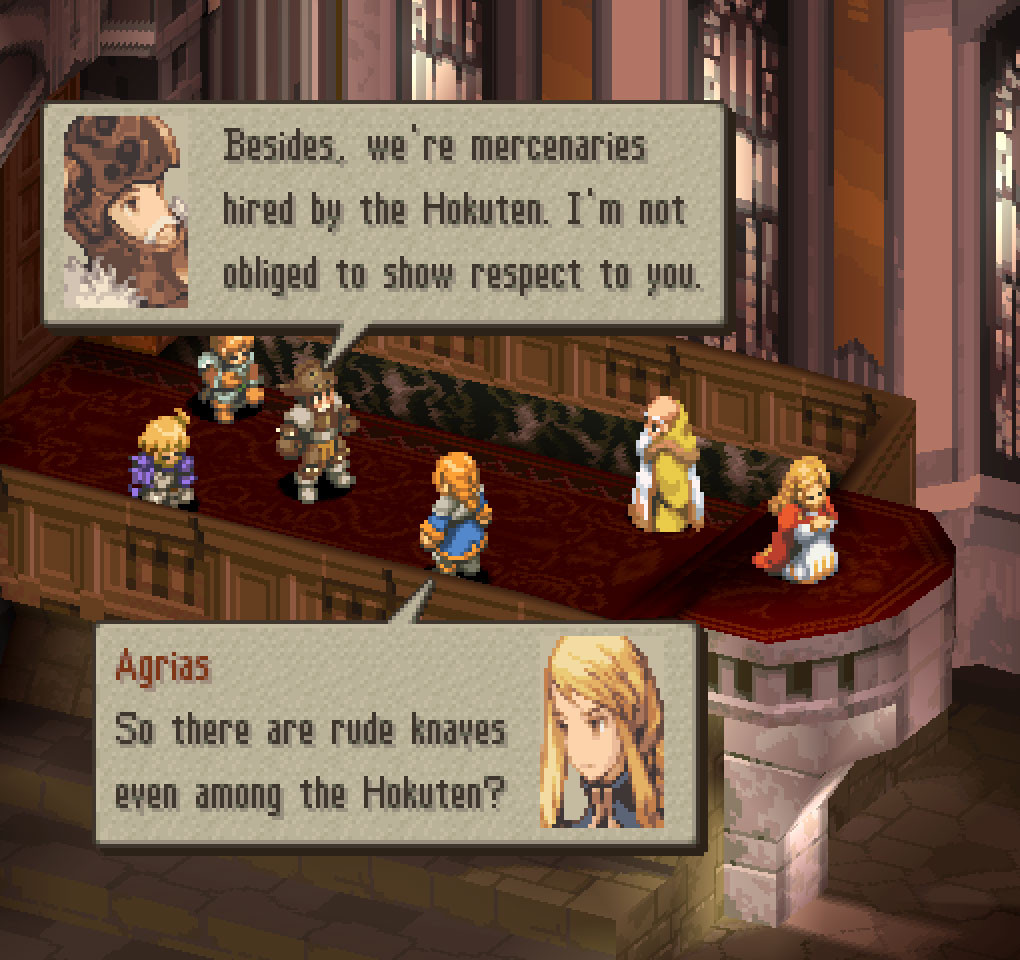
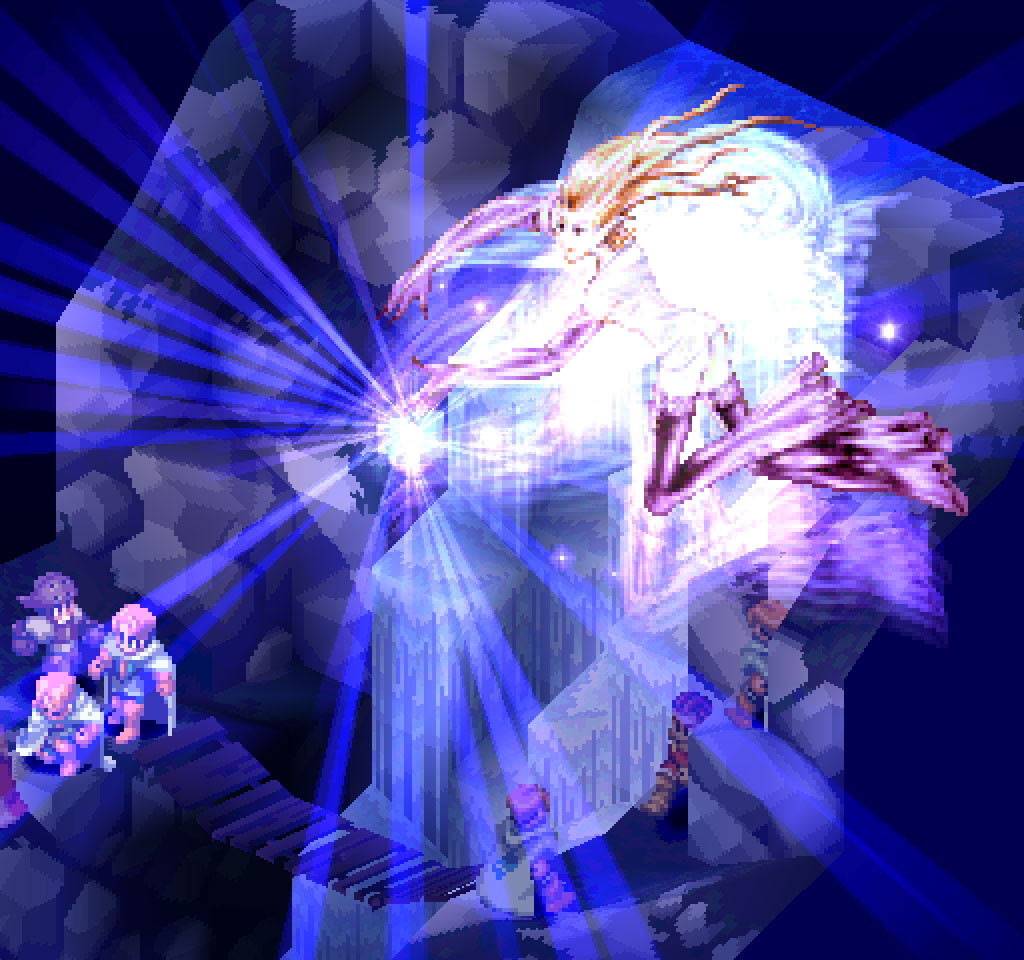
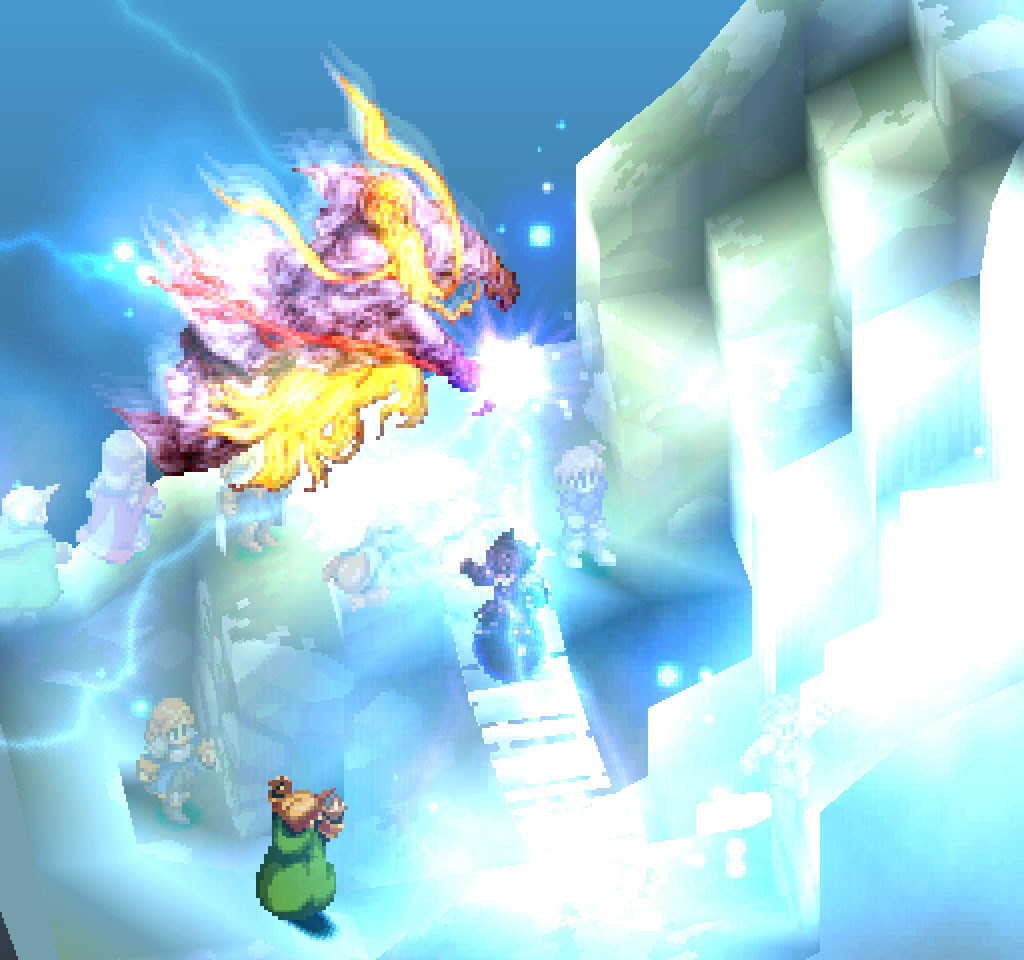
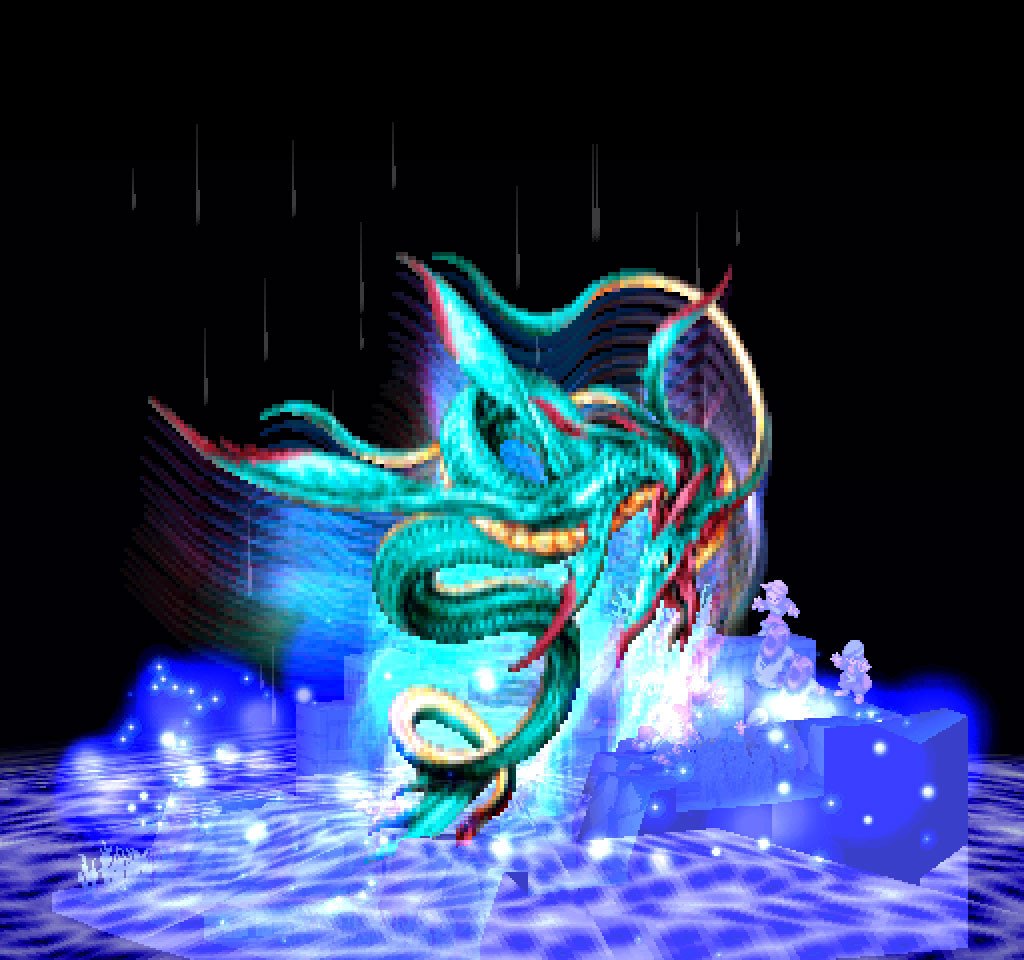
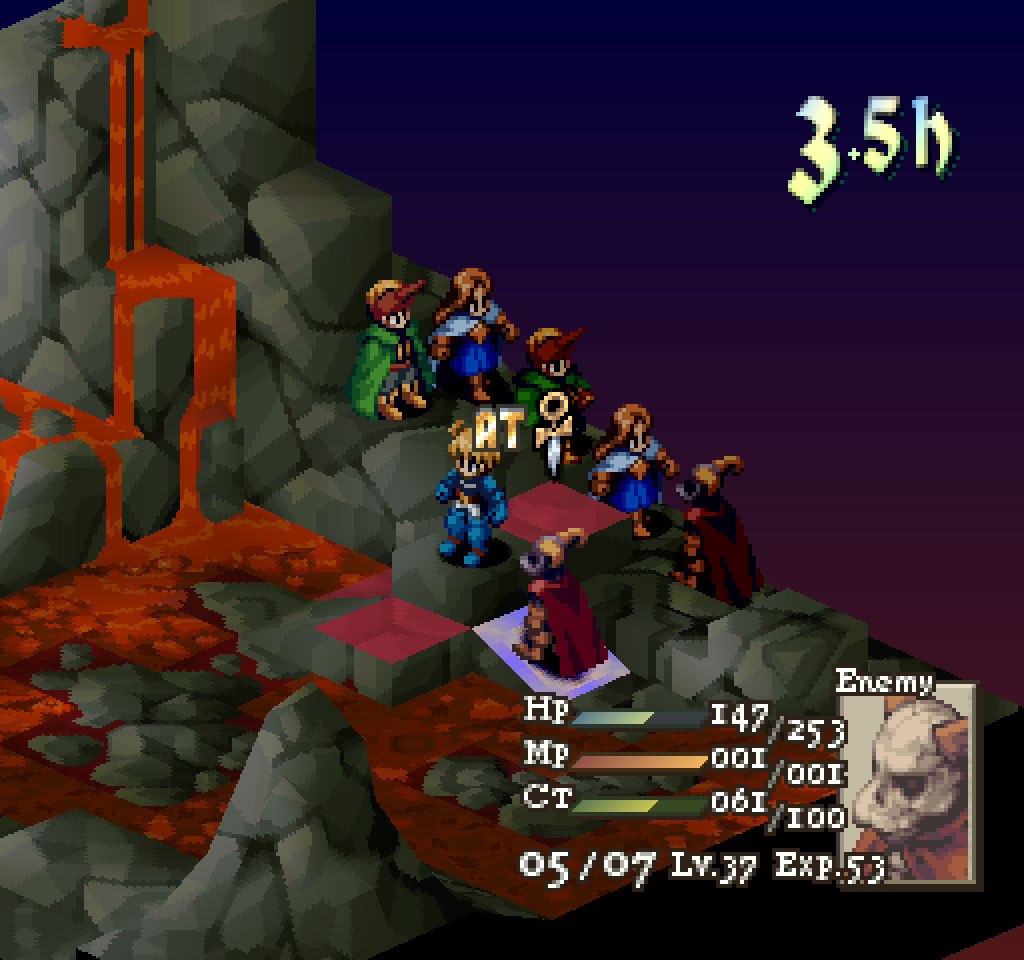
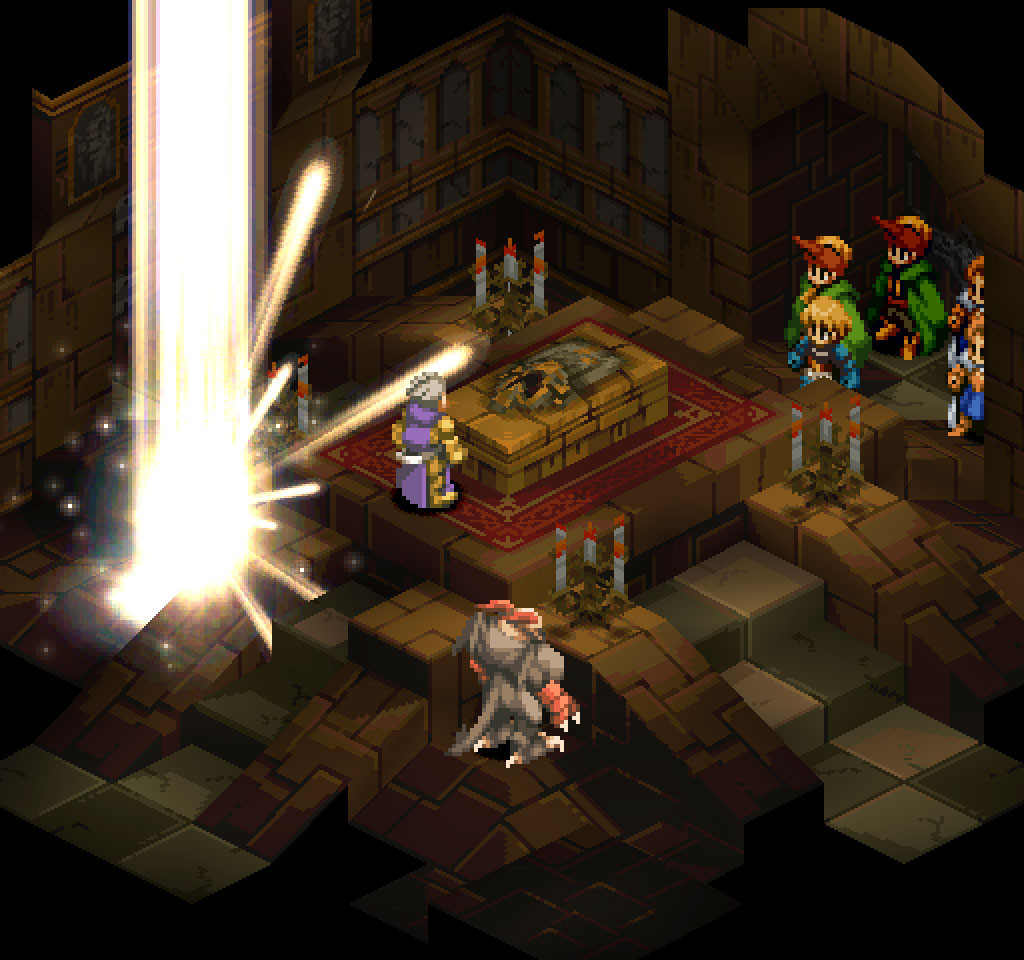
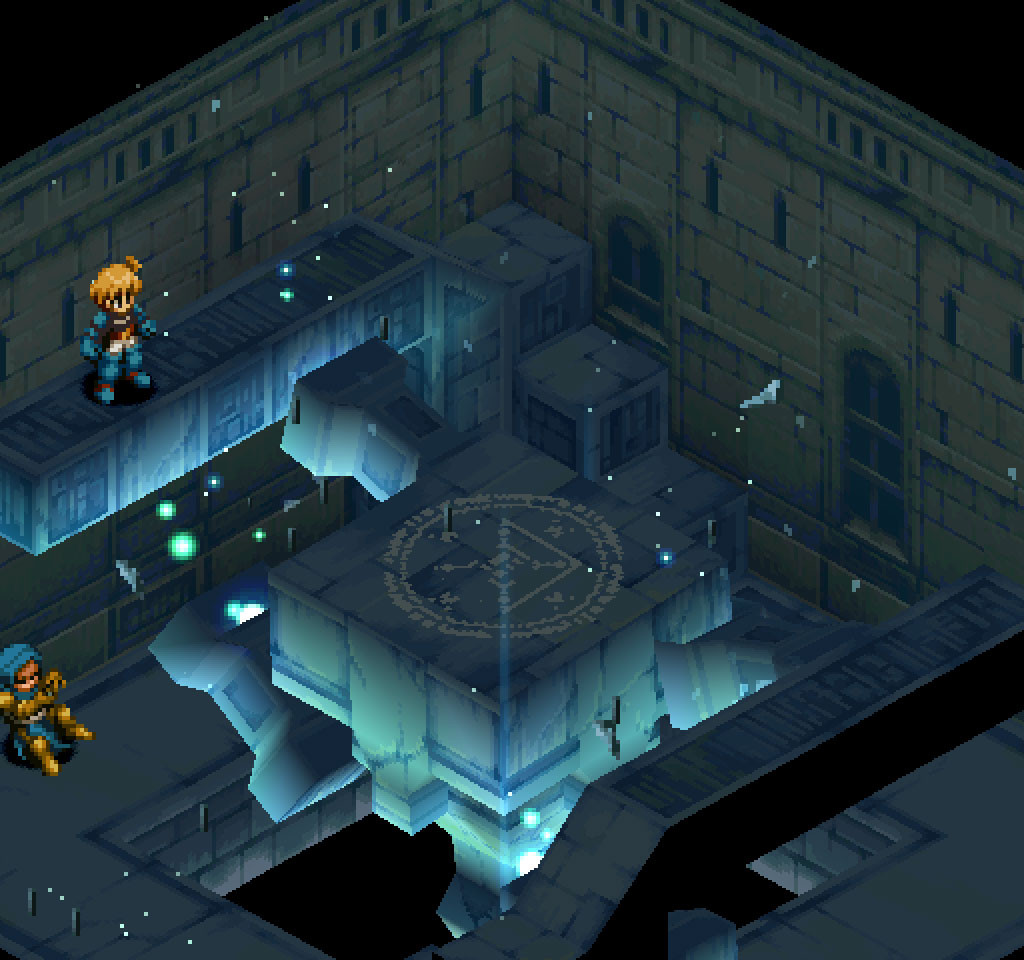
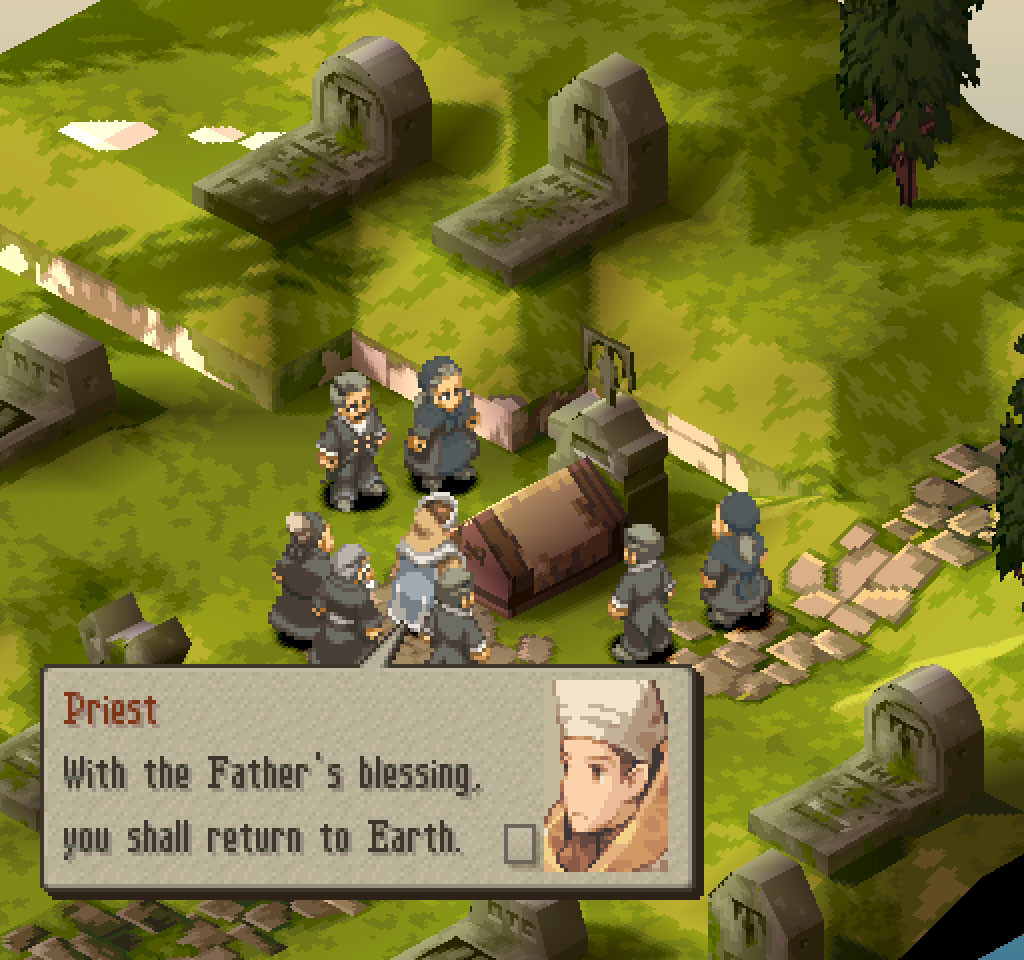
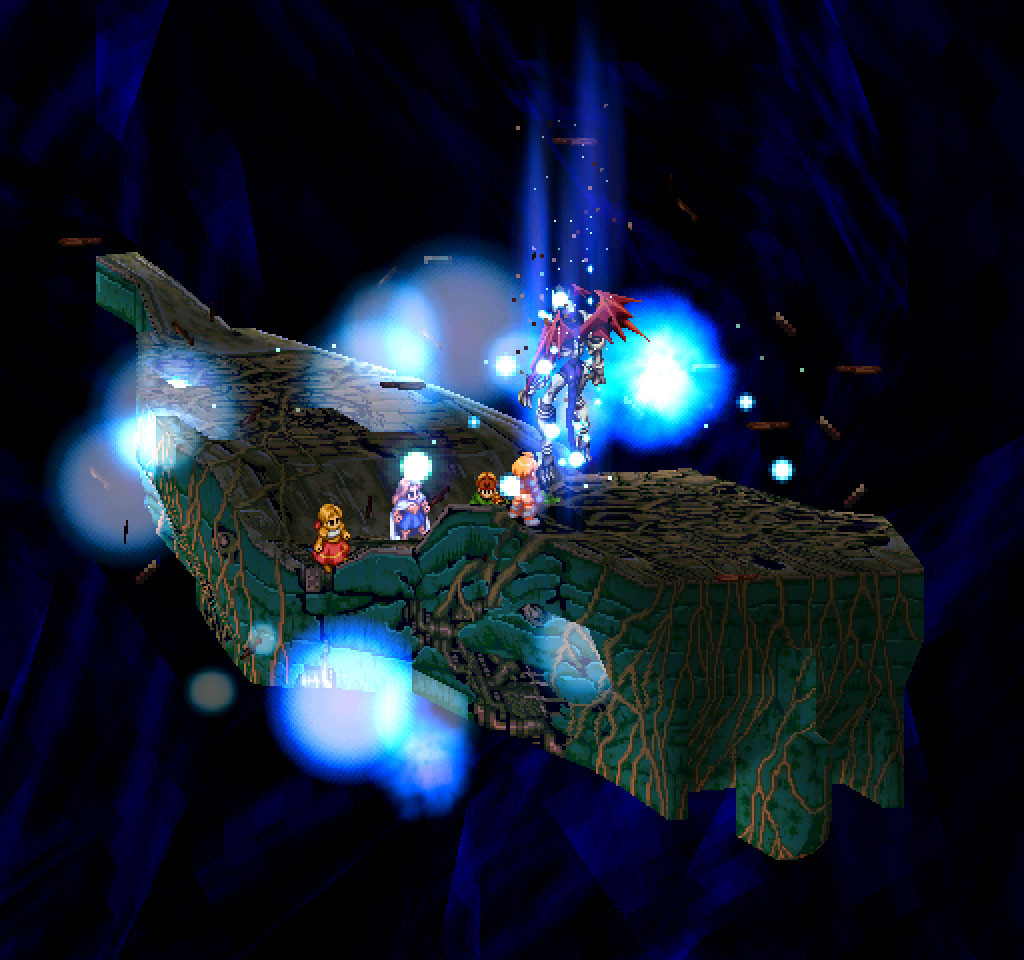
“Final Fantasy Tactics” is a strategic role-playing game (SRPG) launched by Square (now Square Enix) on the PlayStation platform in 1997. It was directed by Yasuki Matsuno and the soundtrack was co-created by Hitoshi Sakimoto and Masaharu Iwata. The game is set in the medieval-style world of “Ivalice” and tells the story of the protagonist Ramza’s growth and struggle in a turbulent era of aristocratic civil war and religious conspiracies. The game uses a classic war chess-style turn-based combat system, combined with the career system of the “Final Fantasy” series, allowing players to freely develop their characters. With its complex plot, deep strategy and moving music, “Final Fantasy Tactics” has become a classic representative of strategic RPG and influenced countless subsequent works.
Hitoshi Sakimoto:
To be honest, the memory available for music at the time was quite limited, which affected the sound quality, making the final presentation neither entirely orchestral nor purely electronic, but a subtle fusion.
Time Extension: We think your score on Vagrant Story is one of the most underrated works. The music in this work is more somber than in your earlier work, and changes dynamically based on the player’s actions. Can you share with us your creative process?
Hitoshi Sakimoto:
At that time, there were already some games where the music changed based on the player’s actions, so I also tried to achieve this effect in my own way. However, this not only involves the music itself, but also requires significant modifications to the sound system and program architecture. For being able to accomplish this, I am really grateful to the programmers who participated in the development.
In addition, on PS1, music playback can usually use CDDA or streaming technology, but due to the system design limitations of “Vagrant Story”, music can only be played through the built-in audio source. Although this results in suboptimal sound quality, I think there are still advantages worth taking advantage of within these limitations.
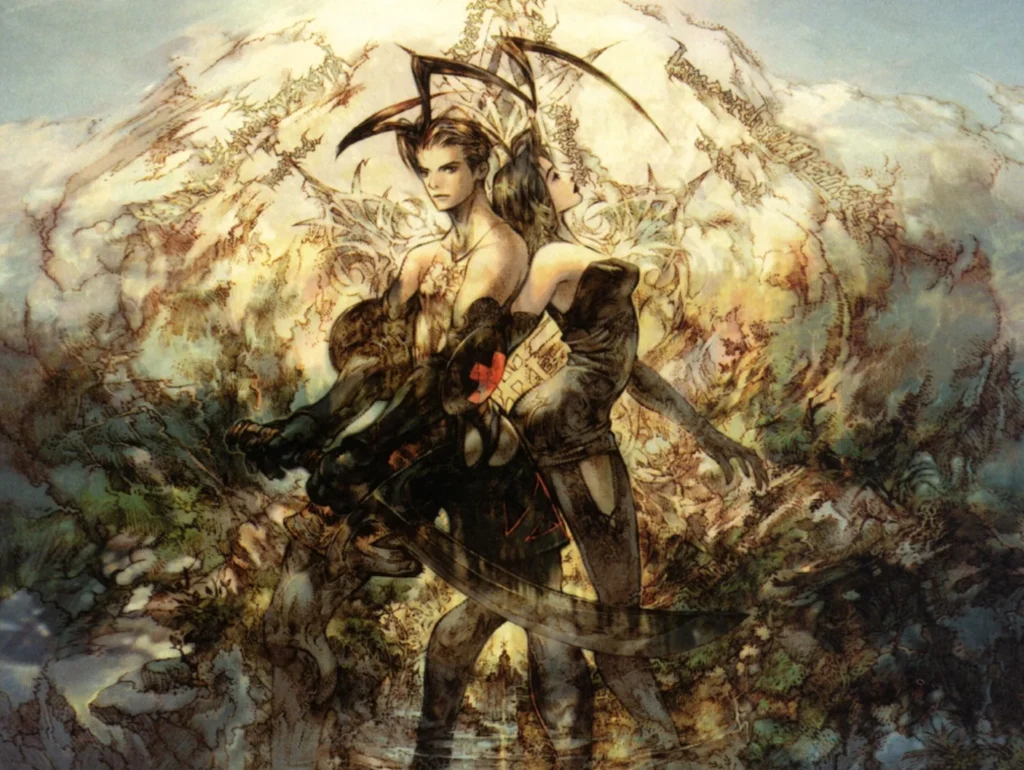
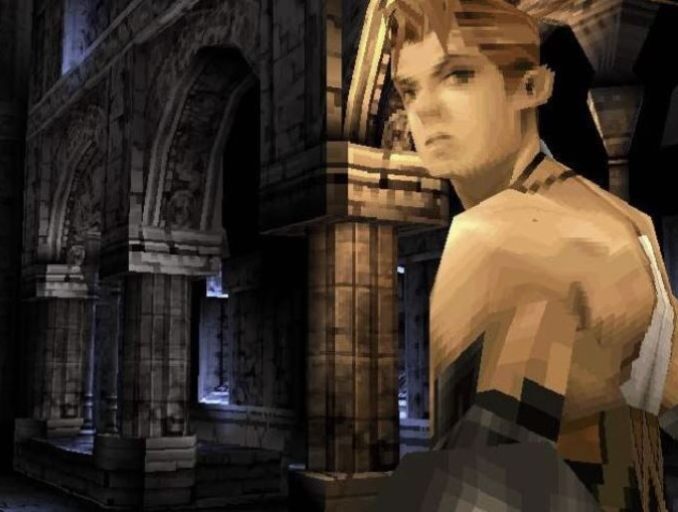
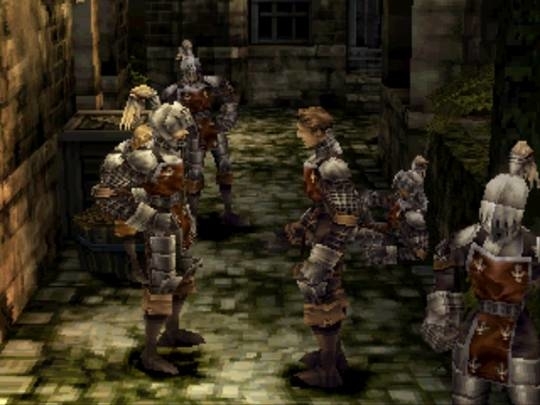
“Vagrant Story” is an action role-playing game (ARPG) launched by Square (now Square Enix) on the PlayStation platform in 2000. It was directed by Matsuno Yasuki and scored by Hitoshi Sakimoto. The game is set in the treacherous city “Raiamond” in the medieval fantasy world “Valencia”. Players will play the role of elite spy Ashley Riault and embark on an adventure in the castle where conspiracy and curses are intertwined. “Vagrant Story” combines real-time combat with a strategic weapon forging system, and the plot is full of suspense and political struggle, creating a unique dark atmosphere. With its unique game mechanics, exquisite art and Sakimoto Hitoshi’s deep and atmospheric music, the game became one of the classics of the PS era and received a perfect score from “Famitsu” that year.
Time Extension: Similar to Ogre Battle, another major milestone in your career was your role as one of the three main composers on Final Fantasy XII. At that time, there was quite a heated discussion about Mr. Nobuo Uematsu leaving Square and the new generation of musicians taking over. How did you establish your musical style in this game? Was it a challenge for you to follow in his footsteps?
Hitoshi Sakimoto:
I didn’t feel this pressure particularly strongly with Final Fantasy Tactics, but with Final Fantasy XII, the influence of Uematsu-san’s music really became a huge pressure for me. I even tried writing music close to his style, but it didn’t work out well. After some thought, I finally came to the obvious conclusion: “At the end of the day, I just have to focus on bringing out the best in myself.”
In this project, Mr. Matsuno set a main direction for us – “to gain acceptance from a wide range of players.” Therefore, I decided to use a gorgeous orchestral style to present the game’s music.
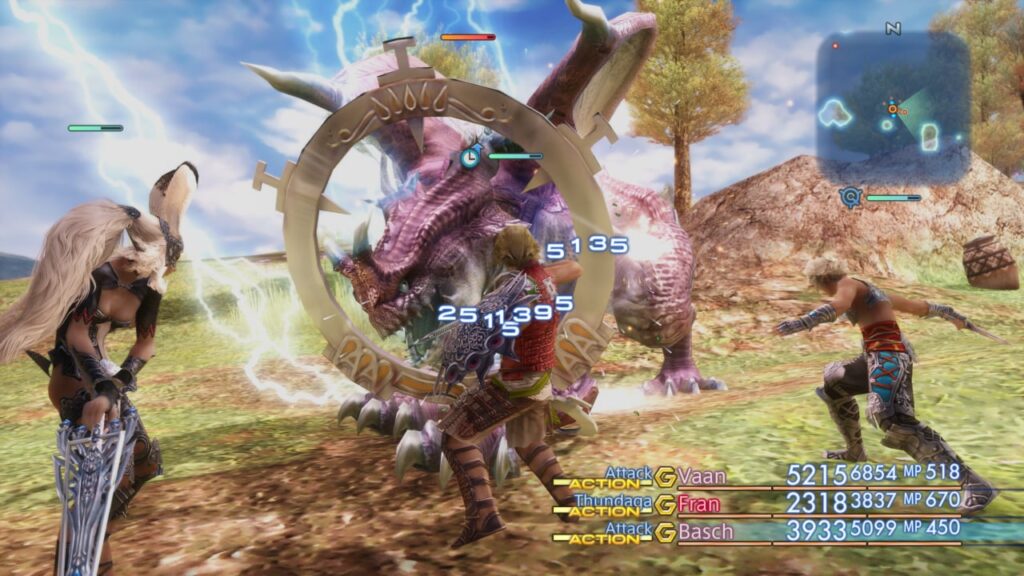
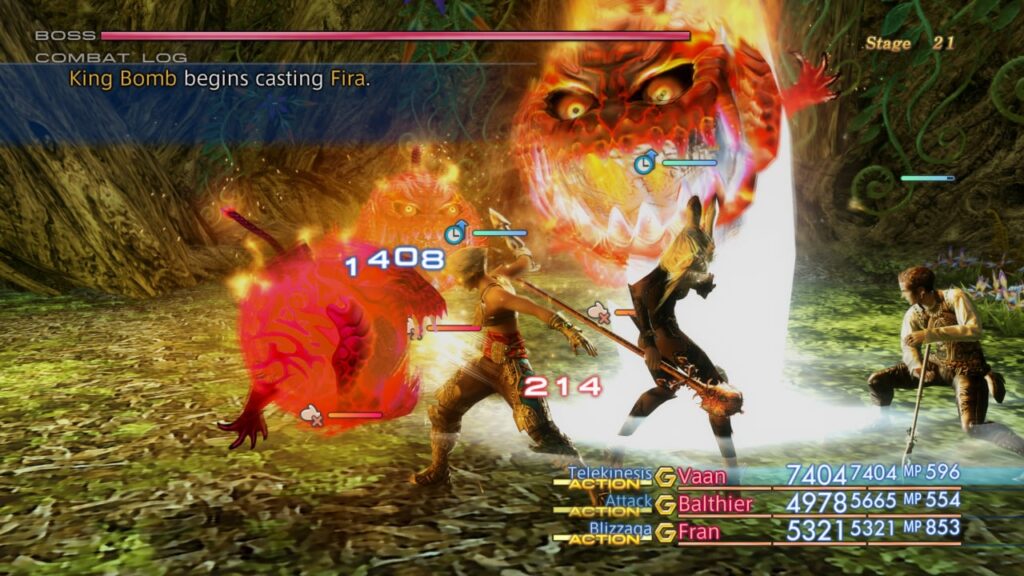
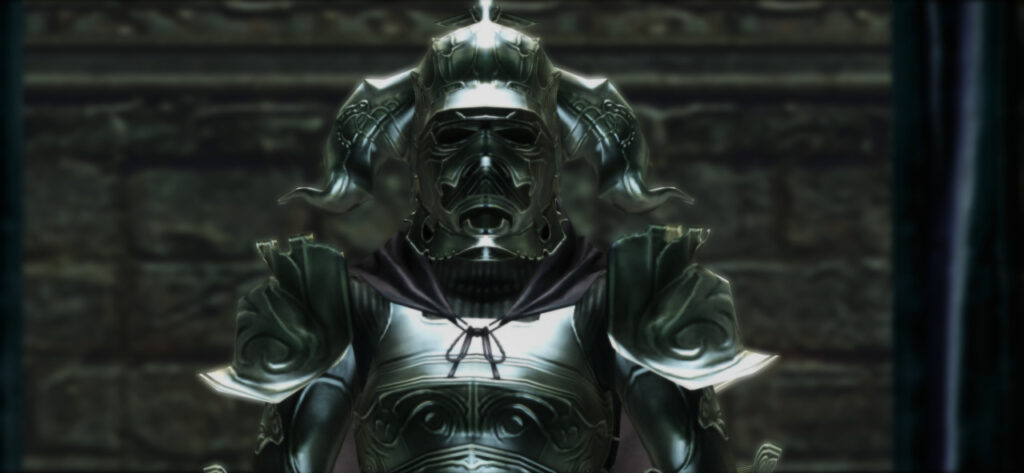
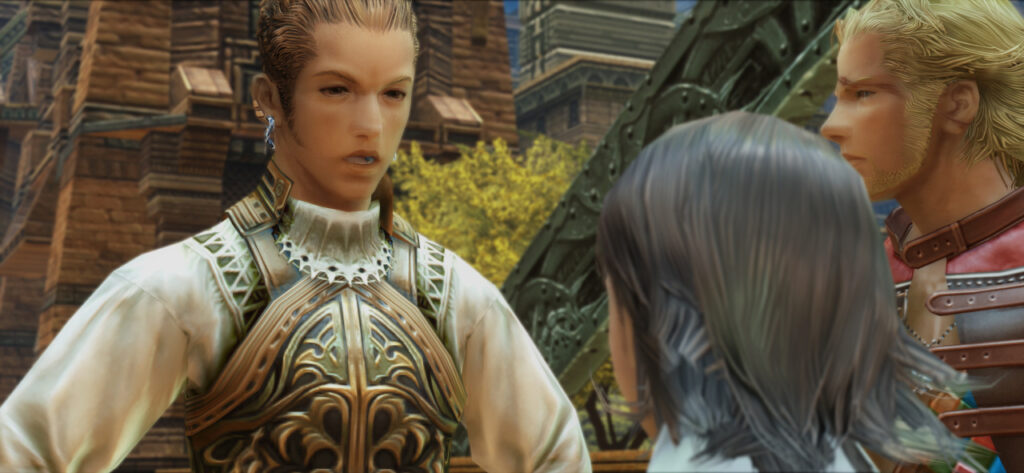
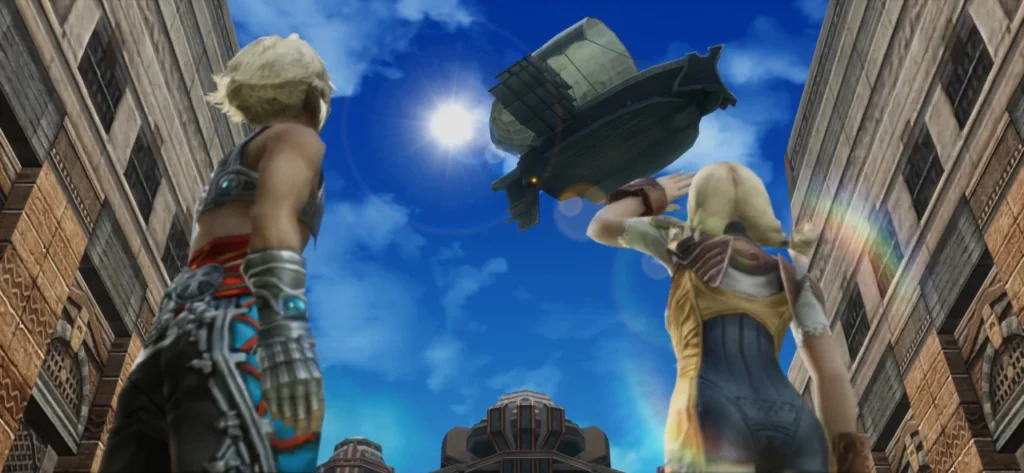
Hitoshi Sakimoto co-produced the soundtrack for “Final Fantasy XII” with Masaharu Iwata and Hayato Matsuo, while senior series composer Nobuo Uematsu only contributed the game’s ending theme “Kiss Me Good-Bye”.
Time Extension: Last question, we are curious, how have the production methods of game music changed since you entered the game industry?
Hitoshi Sakimoto:
In the past, due to hardware limitations, I spent a lot of time building my own development environment and constantly challenging the limits of limited hardware. While this is necessary for developers, it’s actually a rather winding road for composers. Nowadays, we can play music through streaming technology, and I think this is indeed a better era. After all, holding a soldering iron and typing in hexadecimal codes doesn’t feel like a composer’s daily routine (laughs).
However, no matter past or present, our most important job has never changed – that is “to move players’ emotions”. The process of imagining how players will feel in the game and coming up with various expression techniques and techniques has always been very interesting to me, because it makes me feel like I am playing the game myself.
Time Extension: Thank you very much for taking the time to answer our questions, and wish you a smooth release of “Sword of Suzuli”!
Hitoshi Sakimoto:
Thank you to Time Extension and everyone who read this interview! “Sword of Suzuliana” is a work made with passion and care. If you have the opportunity, I hope you can experience it for yourself!
source:Time Extension