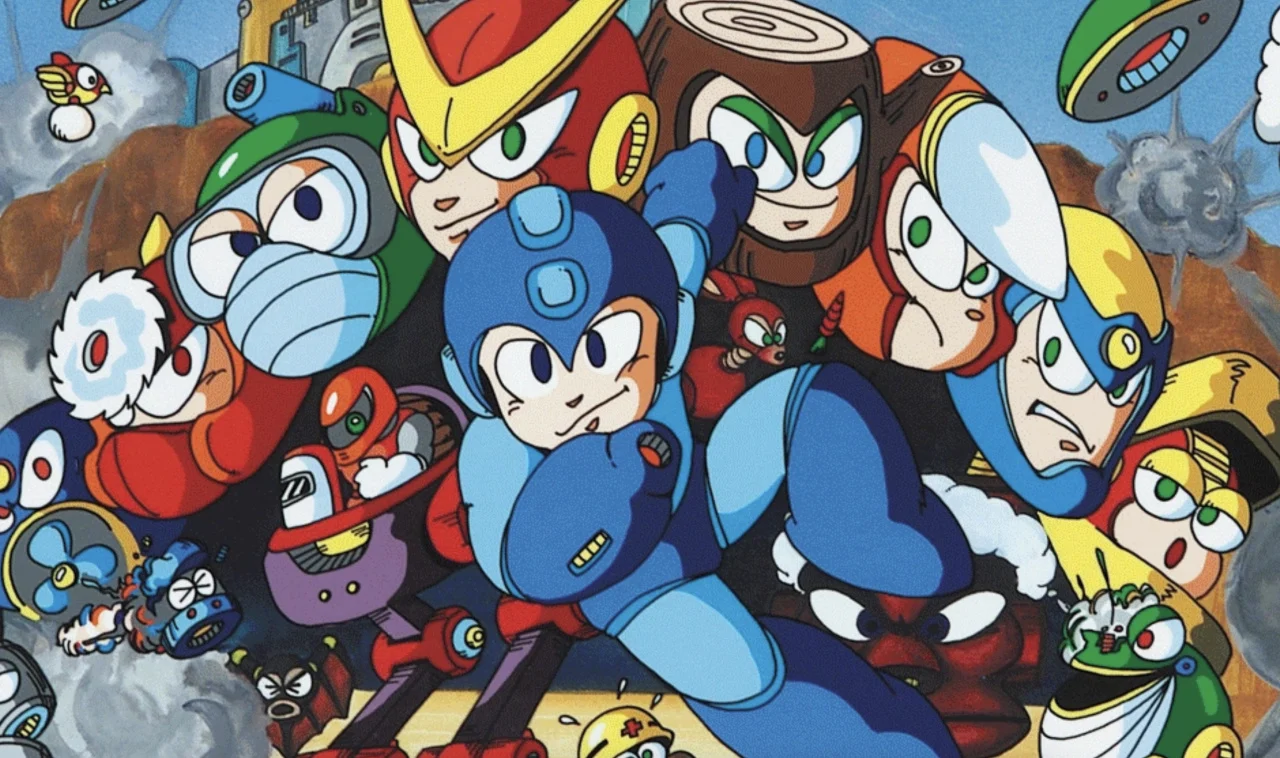
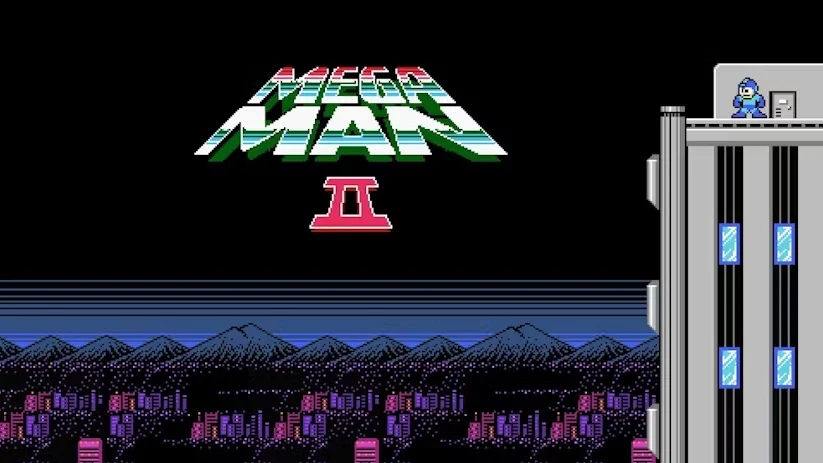
In 1988, “Mega Man 2” was released, completely rewriting the standards of action games on the Famicom platform and becoming one of Capcom’s most representative works. However, many players may not know that this work, which is regarded as a classic among classics, actually took less than three months to complete.Producer Akira Kitamura recently also personally posted on the social platform, publicly explaining the amazing inside story of development that year.
First of all, he answered the question that everyone was most concerned about: “This is not something the company forces me to do, this is what I want to do.” Due to the poor sales of the original “Mega Man” in 1987, the company had originally planned to cut this new IP in half and focus on more commercially viable arcade games and adaptations. At that time, Capcom did not pay much attention to original home console works, let alone a new series produced by a small team of 6 people and without brand endorsement.
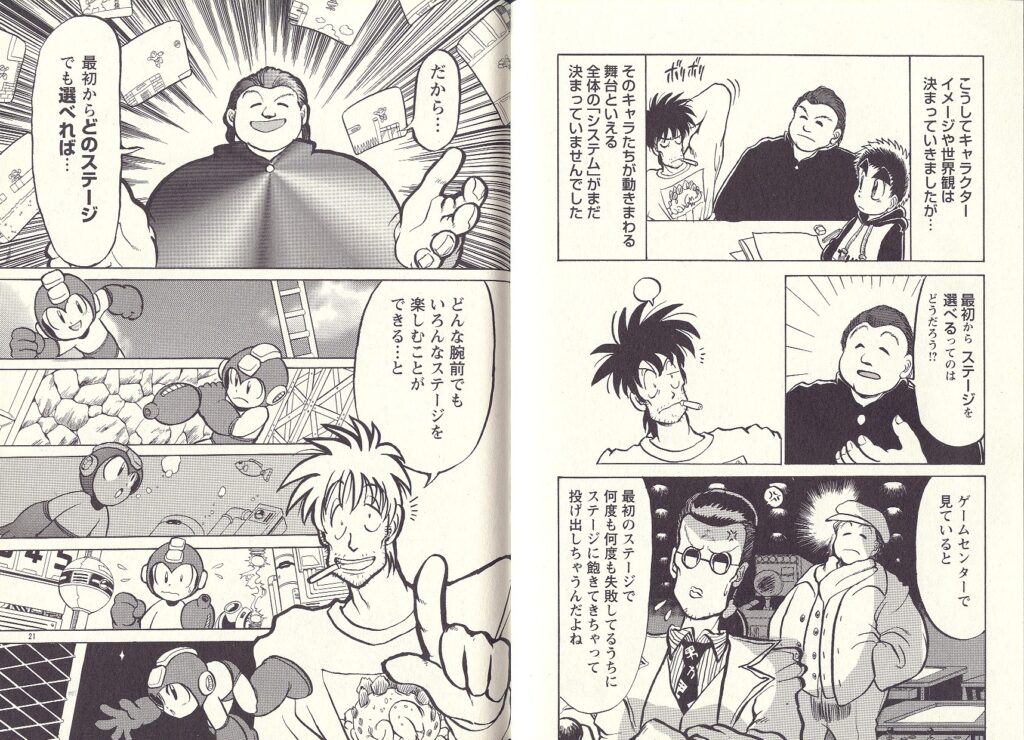
In the comic “The Legend of the Birth of Mega Man” by Tosuke Ariga, Rei Kitamura appears in a Stegosaurus T-shirt and a spiked head, symbolizing his uncompromising creative power. In the scene in the picture, he proposed to the team the idea of ”allowing players to freely choose levels” – this seemingly crazy idea later became the core design of the “Mega Man” series and completely changed the level logic of horizontal action games.
But Rei Kitamura was unwilling to give up. He took the initiative to propose the development of “Rockman 2” and squeezed out time between the “WILLOW” game that was originally determined to be developed, and forced two projects to be opened at the same time. “Although the company has decided that the next project will be WILLOW, I really can’t let go of Mega Man, so I just did it myself.”
It took three months to complete, not because of the deadline, but because the foundation has been laid
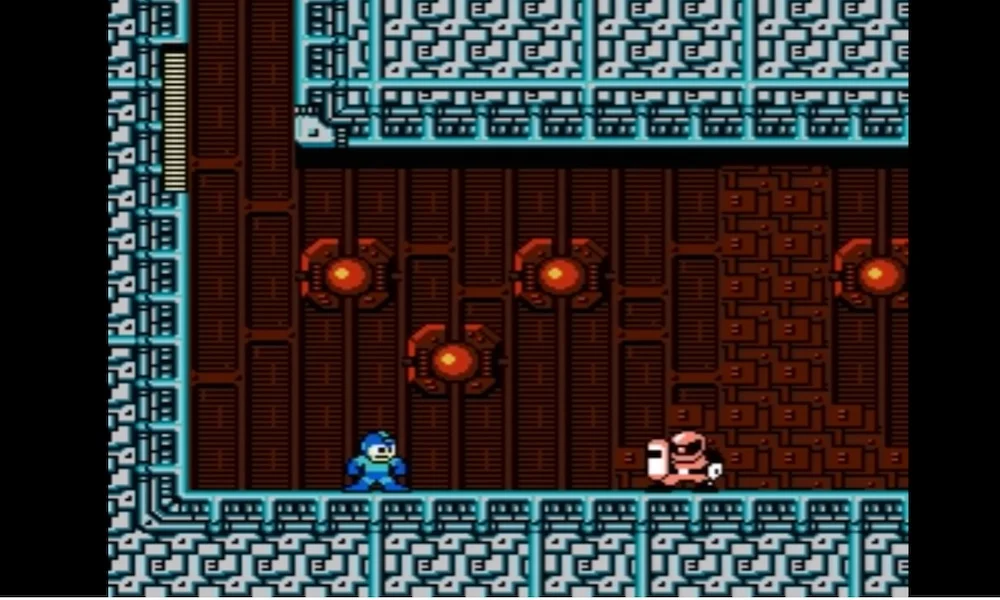
Kitamura said that the team was able to complete the sequel so quickly because many systems and character assets had already laid the foundation for the first generation. Core gameplay features such as free level selection, obtaining weapons after defeating bosses, and weapon incompatibility have all been directly inherited and optimized. This also allows the sequel to focus on what is really important in a short period of time──Level design and game pacing。
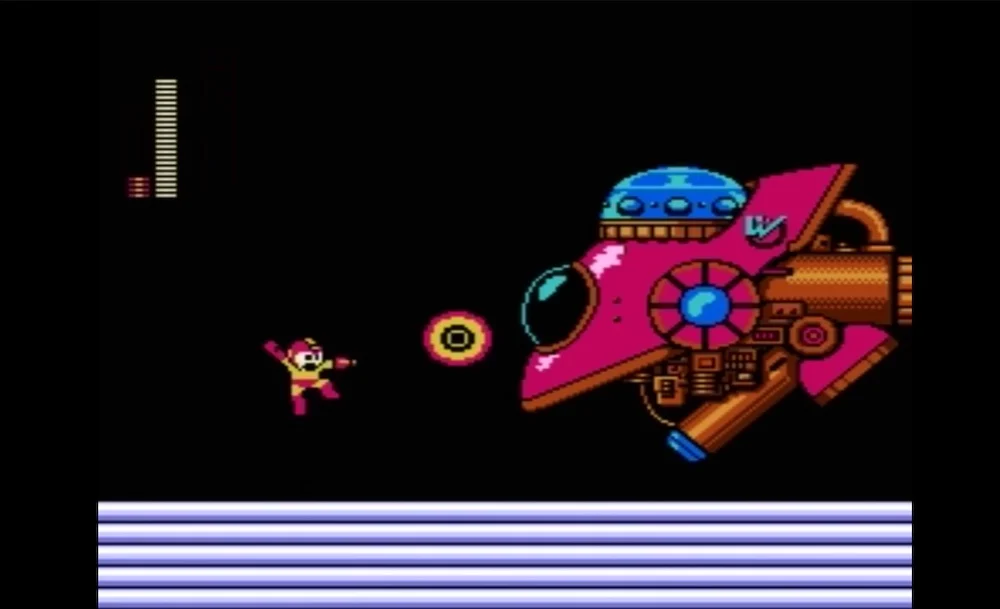
“Mega Man 2” not only increases the number of bosses from 6 to 8, but also adds a new “energy tank” system (used to instantly replenish blood volume), and also introduces a password storage function so that players do not have to start from scratch every time. Kitamura explained: “Although I created this gameplay system myself, I was not able to truly realize its potential in “Mega Man 1″, and many parts had to be redone.”
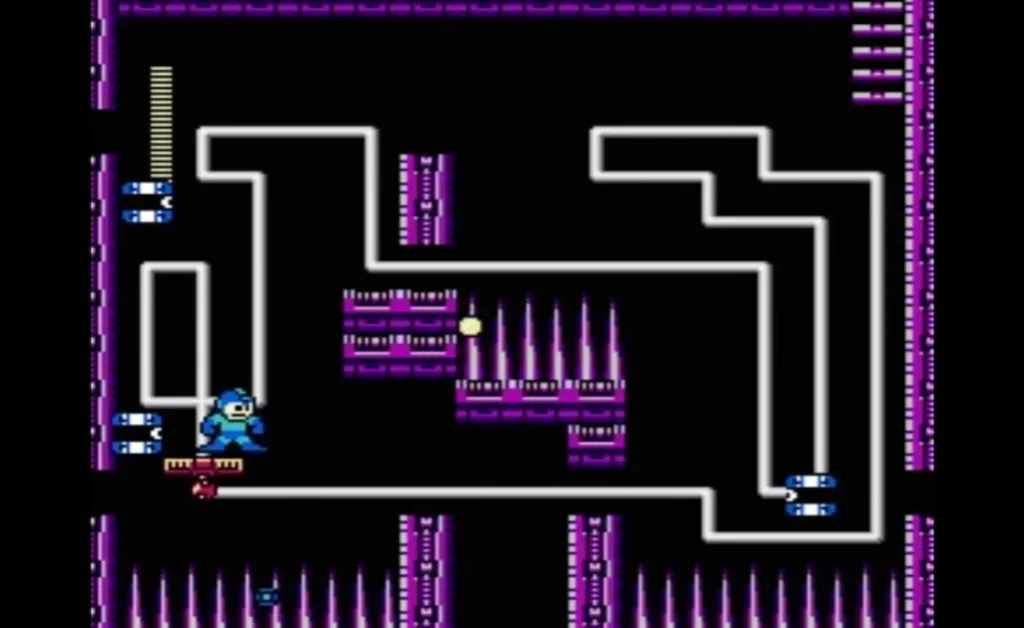
He emphasized that the team was not hasty in the work, but was determined to “get the game right.” Therefore, we started with level design from the very beginning, including details such as scene structures, enemy configurations, and rhythm arrangements. This is not a continuation, but a remake.
It’s not driven by KPI, it’s driven by players’ postcards
However, there is another key reason why “Mega Man 2” was actually born:Player feedback. Kitamura revealed that when the team received postcards from children, he would read them one by one to the members. “Even now I still remember that touching moment. It was the first time we realized that we shouldered an important responsibility.”
This support from children has become the team’s biggest motivation not to be burdened by complex systems and to adhere to simplicity and fun-oriented design. “Thanks to these postcards, we were able to create such a highly completed game in a very short time.”
Japanese social animal? no. He is a hot-blooded young man who voluntarily explodes his liver
When many players hear “it takes three months to complete a masterpiece,” their first reaction is: they must be fucked to death by the company. But Kitamura specifically clarified: “This is not what the company forced us to do, and no one asked us to work overtime.” Although we stayed up late during the final rush, the overall development process was not demanding. “The health of the team is always our priority.”
On his social account, Kitamura is still keen to share behind-the-scenes anecdotes of the “Mega Man” series and personally answer questions from players. If you still have any unanswered questions about early “Mega Man”, maybe you can leave a message someday and get a response from me.
The development story of “Mega Man 2” proves one thing: a true classic is never a KPI product planned by the marketing department, but a spark of miracle that occurs when developers spontaneously pursue perfection.