Former Nintendo of America marketing director Gail Tilden recently spoke with Frank Cifaldi of the Video Game History Foundation at the Long Island Retro Game Expo about how Pokémon entered the Western market.
As we all know, “Pokémon” (originally known as “Pocket Monsters” in Japan) had already become a national phenomenon in Japan before reaching the European and American markets. The person responsible for this cultural export at that time was Tilden himself.
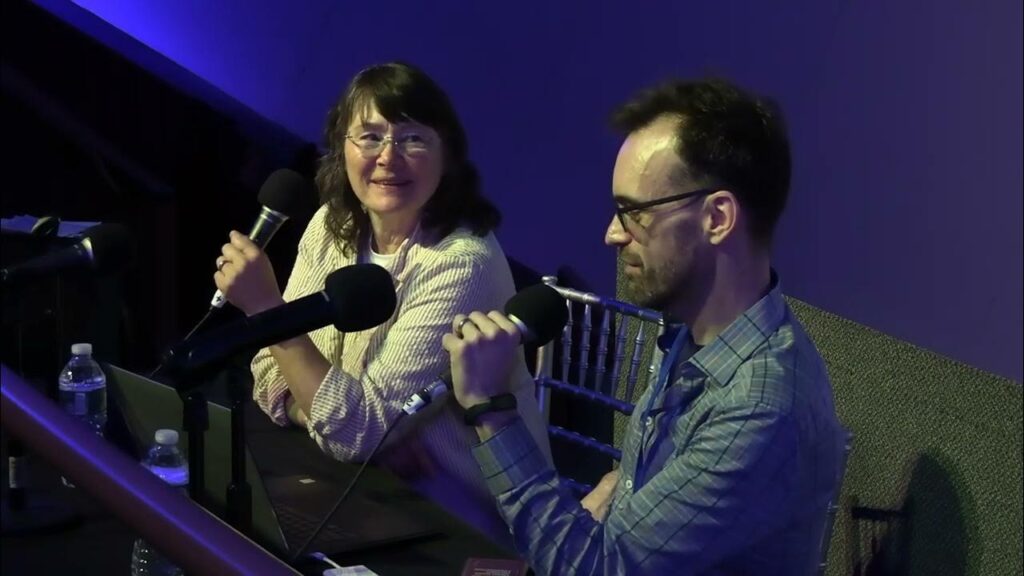
Gail Tilden (left) was one of the important promoters of the early rise of Nintendo of America. She served as the company’s marketing director and was one of the founders of “Nintendo Power” magazine. During her tenure at Nintendo, she led a number of key market strategies, from brand rebuilding in the NES (American version of the Famicom) era to later successfully introducing Japanese games to the U.S. market. She was an important figure. The most notable thing is that she served as a key figure in the Western promotion of Pokémon in the late 1990s. She adhered to the core of the brand amidst various “Westernization and magic modification” plans, which ultimately contributed to the original popularity of “Pokémon” in North America. It’s safe to say that without Gail Tilden, Pokémon’s history in America might have been completely different.
However, she revealed in the interview that before she took over the case, Nintendo actually had a series of bizarre proposals for the “Westernization” of Pokémon –
“In January 1998, I was assigned to lead the team to promote “Pokémon” from Japan to the world (except China and South Korea). Before I officially led this project, we had already seen the black and white Game Boy RPG, which was full of Japanese-style characters. At that time, our advertising agency asked: ‘Can we simply change the art style? Make it more realistic and rough? Like the walls are covered with graffiti?'”
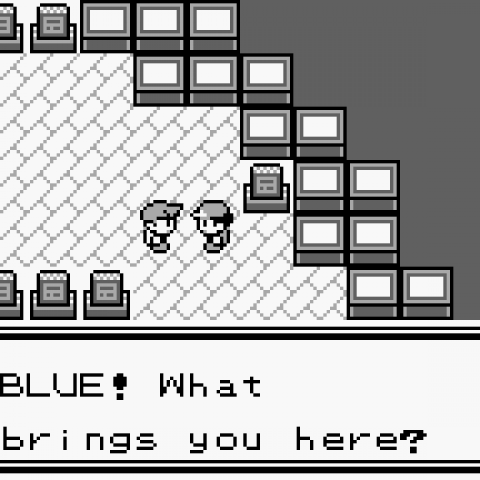
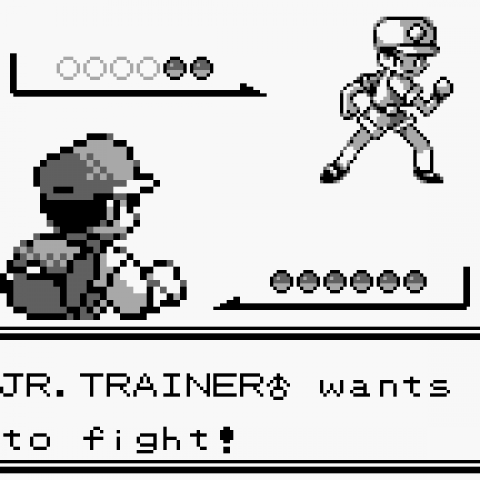
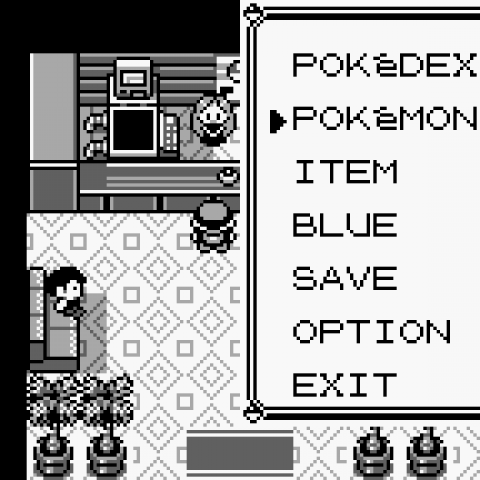
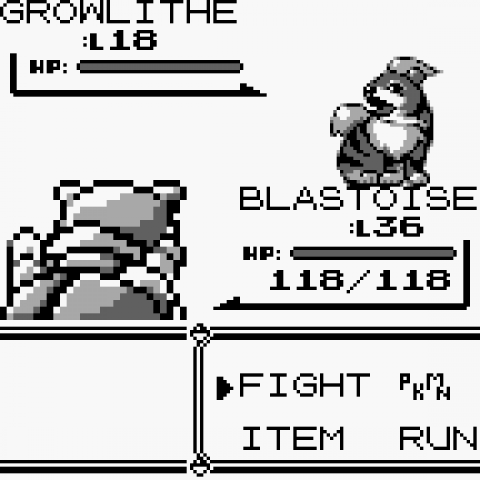
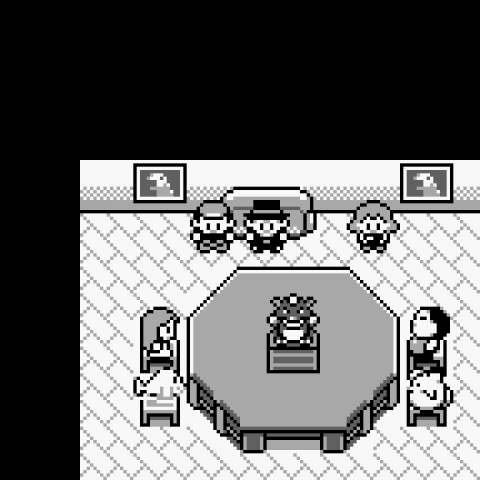

This Game Boy game developed by Game Freak and published by Nintendo looks like an ordinary role-playing game on the surface, but its first three core systems of “collecting monsters”, “battle exchange” and “evolution and cultivation” have completely reshaped players’ imagination of game interaction. In this most original “Pokémon”, players play the role of a young trainer and embark on an adventure starting from a new town. The goal is to collect 151 mysterious Pokémon in the illustrated book, challenge the masters of the Eight Avenues Hall, and finally step into the hall of the elite Four Heavenly Kings and become the champion. The biggest feature of the game is that players cannot capture all Pokémon in a single version, and must exchange them with friends online through the Game Link Cable to collect complete illustrations.
“Strong Westernization” of Japanese games to attract American children was already an old practice back then. But Tilden went on to reveal that someone else had proposed an even more exaggerated idea at the time:
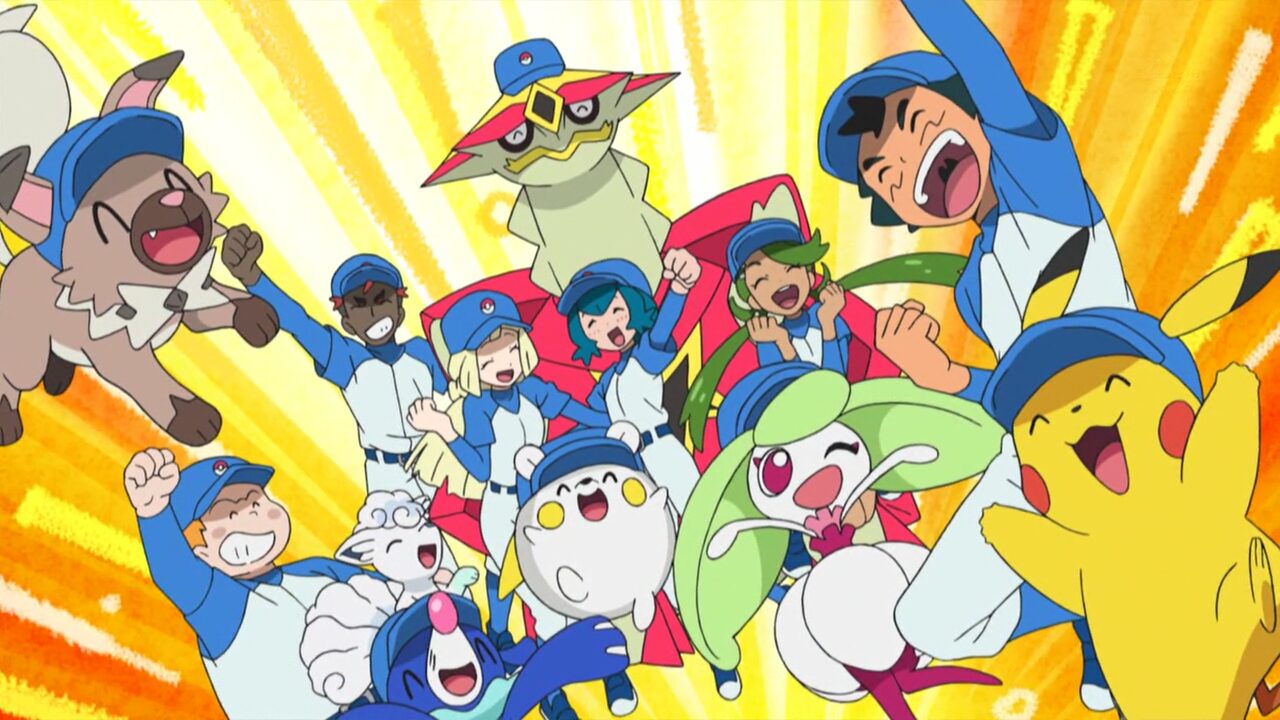
“Some people even want to say: Since the game itself is a league system, can we simply change it to a baseball league? Let all the characters be baseball players instead of Pokémon trainers?”
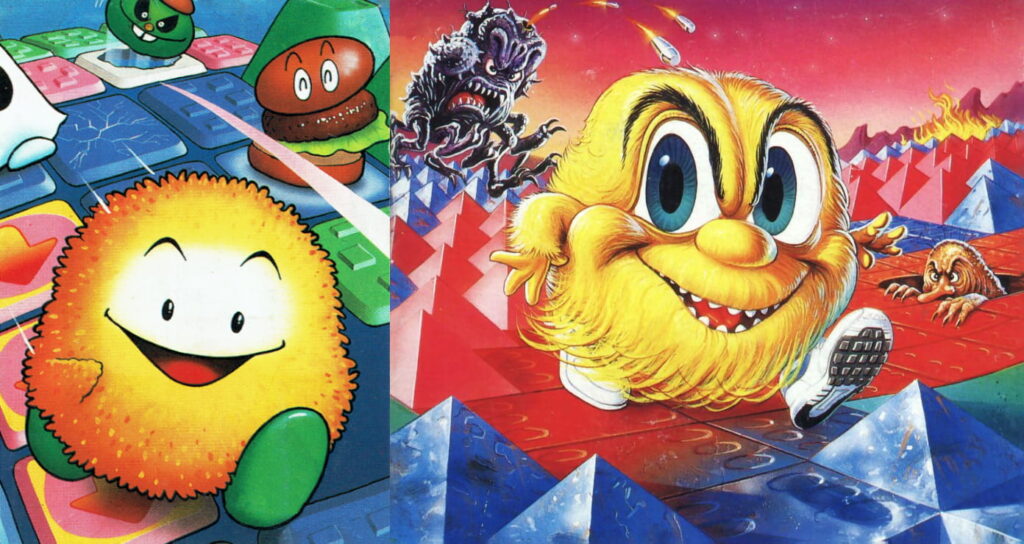
“Strong Westernization” of Japanese games to cater to the American market has been an industry practice since the 1990s. At that time, once many Japanese games were exported to the United States, the marketing team would deliberately give them an “American makeover” from character modeling to packaging style. The most common example is the game cover – the Japanese version (left) mostly has cute anime-style illustrations, while the American version has muscular or realistic drawings (right), just to make American children feel “cool enough” and “hardcore enough.” This cultural packaging strategy was regarded as a marketing formula at the time. Later, people learned that Americans love anime so much!
Fortunately, as Pokémon became popular in Japan and the multimedia offensive was fully launched, these ridiculous ideas of “Western magic modification” were finally dispelled.
“While we were still having a meeting there to discuss it, Pokémon was already in full swing in Japan: the animation was launched, the manga was serialized, the movie was released, the toys were released, and the sequel game was also released.”

When the “Pokémon” animation was officially launched in the United States in 1998, it centered on the adventures of Ash Ketchum and Pikachu. What really made this animation deeply rooted in people’s hearts was the theme song that everyone knows – “Gotta Catch ‘Em All”. The rhythmic melody and catchy lyrics have not only become a spiritual slogan for American children before going to school every day, but also made the phrase “Gotta catch ’em all!” directly a cultural symbol. Even people who have never played the game can hum a few lines, and they have even appeared in advertisements, T-shirts, and even political satire programs.
“Finally, Minoru Arakawa (the main person in charge of Nintendo of America and the son-in-law of Hiroshi Yamauchi, the head of Nintendo of Japan at the time) finally gave the order: ‘Stop doing it, just do it the Japanese way. We will do it to the end and take over fully. We want Japan to take back all the rights and then license them to Nintendo of America.'”
“The licensing agent we were working with at the time was 4Kids. We also decided that everything from animation to merchandise should be consistent with the Japanese version, and we would coordinate and control everything.”

The American 4Kids Entertainment is one of the important promoters of the success of “Pokémon” in the Western market. This company is responsible for the dubbing, editing and licensing business of animation in the United States. It was the partner selected by Nintendo at the time to fully control the Pokémon brand. From the translation of character names, localization of lines, to the launch of the theme song “Gotta Catch ‘Em All”, 4Kids has almost reshaped the language and rhythm of the entire animation in the West. Although it was also criticized for excessive localization, this partnership has long since ended. Since 2006, Pokémon’s overseas agency has been taken over by “The Pokémon Company International”, a specially established company under Nintendo, which includes animation broadcasting, dubbing, licensing and product marketing. But it is undeniable that it was 4Kids that transformed “Pokémon” from a Japanese children’s animation into a household name in the United States.
Everyone knows what happened next—Pokémon became a cultural phenomenon that swept the world. But if you think about it carefully, if it had turned into a baseball RPG back then, the world today would probably be completely different.