
Donkey Kong, also known as Donkey Kong ’94, was recently added Switch Online(NSO), this game is not only a direct sequel to the 1981 arcade version of “Donkey Kong”, but also the origin of the subsequent “Mario vs. Donkey Kong” series. This game was originally released in 1994, and now you can finally replay it on the NSO service. For players who have never experienced it, this is definitely a classic worth playing!
This is not just any “Donkey Kong”
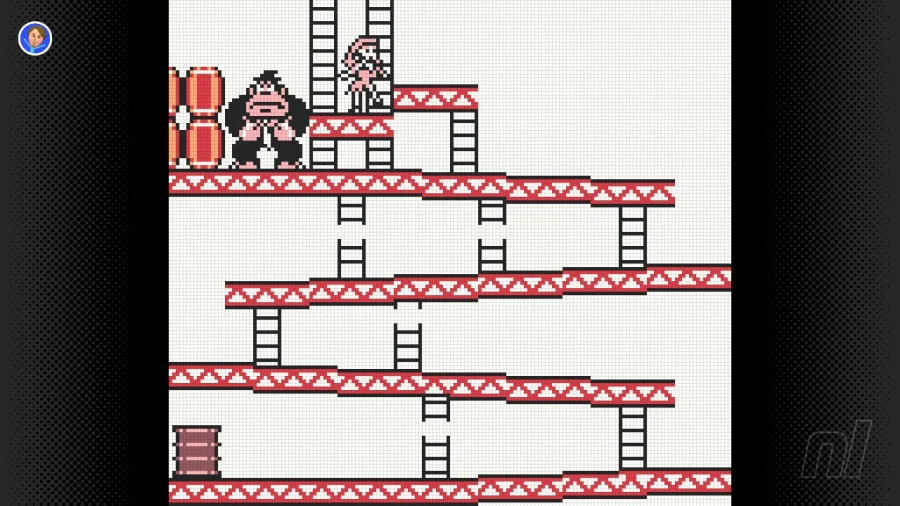
At the beginning of the game, you may feel like you’ve been cheated, because its first four levels are exactly the same as the arcade original, even including the cement factory level that was deleted from the Famicom version. Just when you thought this game was just a remake and you could easily pass it, the plot suddenly reversed – D-Donkey Kong did not fall, but grabbed Paulin and escaped, so Mario had to chase him and embark on an adventure spanning nine worlds and a total of 97 new levels in order to truly save Paulin.
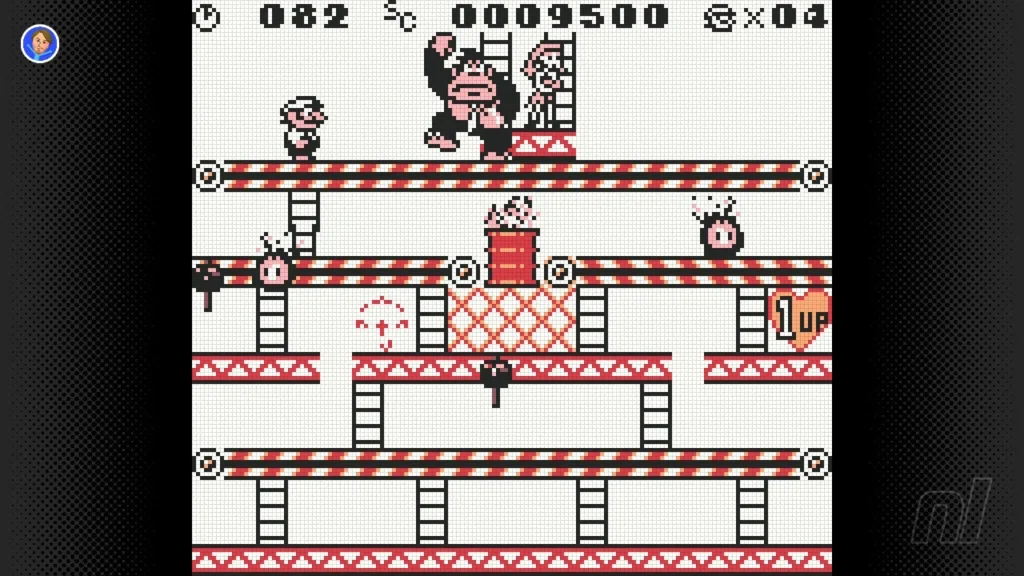
In most levels, Donkey Kong will escape through a door and lock it, and players will need to control Mario to find the key to continue the chase. After every four levels, there will be a direct confrontation with Donkey Kong. These levels usually require Mario to break through many obstacles to reach Donkey Kong. In the final level of each world, there is a head-on confrontation. Mario must pick up the barrel or other items thrown by Donkey Kong, and then smash them back to make him suffer.
A variety of mechanisms and challenges add depth to the game
The level designs in different worlds have their own characteristics and are full of creativity and challenges. For example, the first world “Big City” is full of wires and clotheslines. Mario can grab these items and use spinning movements to charge up and jump to higher places. The scenes in other worlds are completely different, including ships, jungles, airplanes, icebergs, etc. Each location has its own enemies, platform mechanisms, backgrounds, music and puzzles, keeping the game process fresh.
Mario also gained more flexible movements in this game. He could no longer simply jump, but added back flips and a special triple jump (first doing a handstand, then jumping up, and then performing a super high jump). This triple jump concept was later continued in “Super Mario 64”, except that the handstand part was removed.
Another difference from the original arcade game is that Mario is no longer “dead if you fall”. If he falls from a low place, he can still stand firmly, but if he falls from a high place, he will slowly flip in the air. If he lands head first when he lands, it will be GG; if he lands sideways, he will be dizzy for a short time, and there is still a chance to continue the game.
More interactive elements than you imagine
Mario can pick up items in this game, not just keys but also certain enemies – as long as they don’t have spines on them. This makes the gameplay more like Super Mario Bros. 2, where Mario can step on the heads of enemies, then lift them up and throw them to attack other enemies or clear obstacles. There are also various switch mechanisms in the levels, which can extend or shorten bridges and open and close gates, making puzzle solving more challenging.
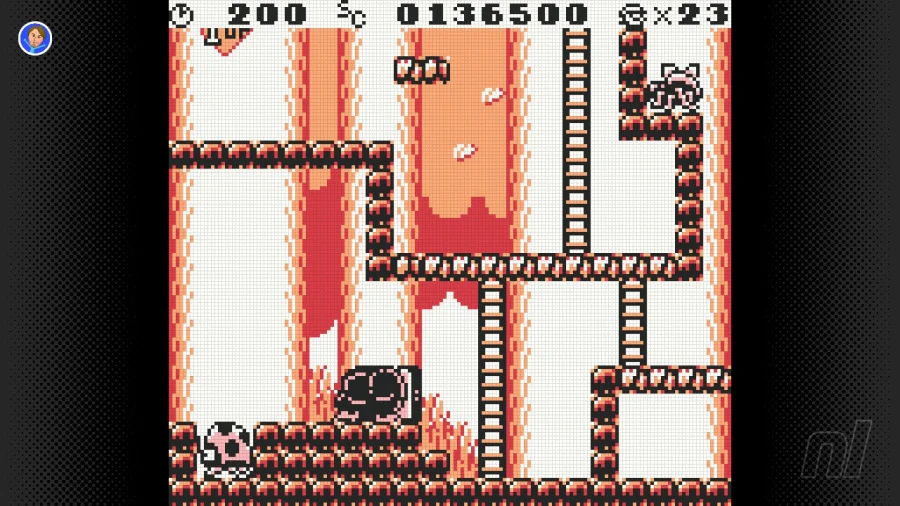
The game also adds a very interesting mechanism-“Temporary Jumping Platform”. There are small blocks with specific icons in some levels. After picking them up, players can place corresponding items anywhere in the level, such as ladders, springs or blocks. These items will last for about eight seconds. If you place another identical item before it disappears, both will remain and the timer will reset, giving you more room to maneuver.
Classic elements have been upgraded, and the Super Nintendo version has been specially enhanced.
The game retains the collectible items from the arcade original, including umbrellas, hats, and handbags. Although these items cannot strengthen Mario, if you can collect three in a level, you can enter additional bonus levels. However, these extra lives are not too important, because after every four levels completed, the system will automatically convert them into extra lives based on the remaining time. Basically, by the time you are halfway through the game, you will already have 99 lives.
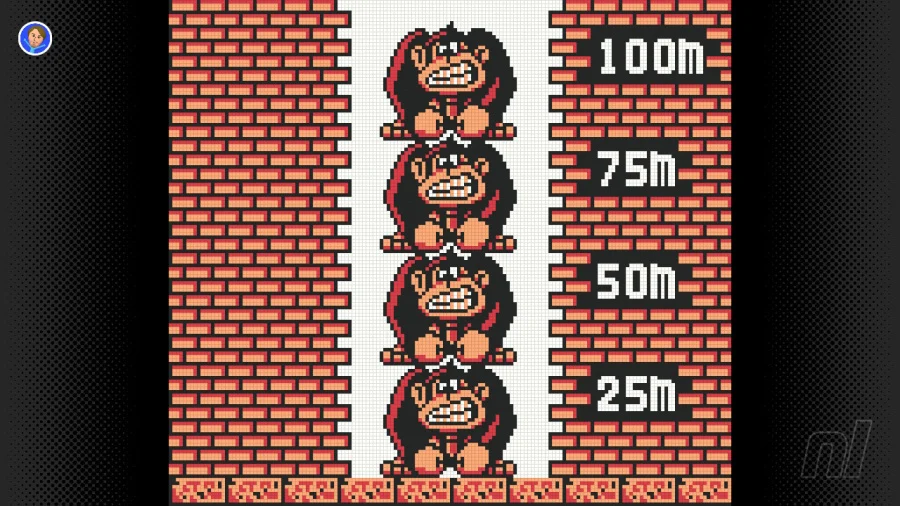
In terms of visuals and sound, this game is definitely the pinnacle of the Game Boy. Although the characters are in a simple black and white pixel style, they are full of unique charm. The music is full of surprises, especially the two final battle BGMs, which last up to a minute and are quite rare in Game Boy games. There are more than 40 songs in the game, which is almost an unprecedented luxury configuration in handheld games at the time.
It is worth mentioning that this game was still available through Super Game Boy Play it on Super Nintendo and get additional enhancements, such as colorful graphics, arcade-like frames, changing Paulin’s digital sound effects to a real “Help!” cry for help, and even the ending music has been changed into a high-quality Super Nintendo version. It’s a pity that these features cannot be experienced in the Wii/Wii U/3DS Virtual Console and the current NSO version, but even without these additional enhancements, this game is still one of the most worth playing for Game Boy.
An undefeated classic, now is the perfect time to revisit it!
If you feel that 101 levels are not enough, the game also provides a replay mode, where you can choose the levels that have been cleared to challenge faster passing times. While it’s only selectable starting from the fourth level of each world, it’s still a great extra feature for players who want to push their limits.
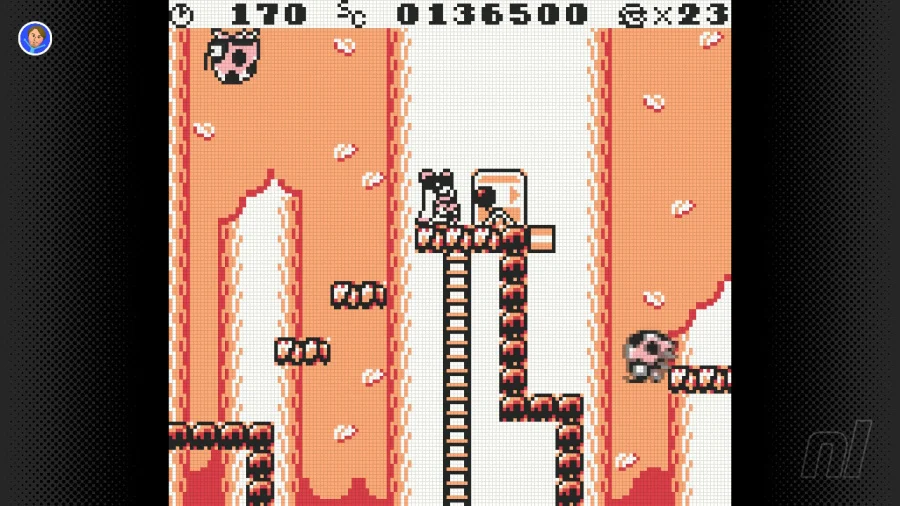
Overall, Donkey Kong ’94 is not only one of the best puzzle platformers on the Game Boy, it’s also a historically significant title. It successfully evolves the basic gameplay of the classic “Donkey Kong” into a richer, more playable and challenging adventure. Now the game is finally available Switch Online, whether you are new to it or have played it before, it is worth experiencing this exciting journey of Mario chasing Donkey Kong again!
source:Nintendo Life