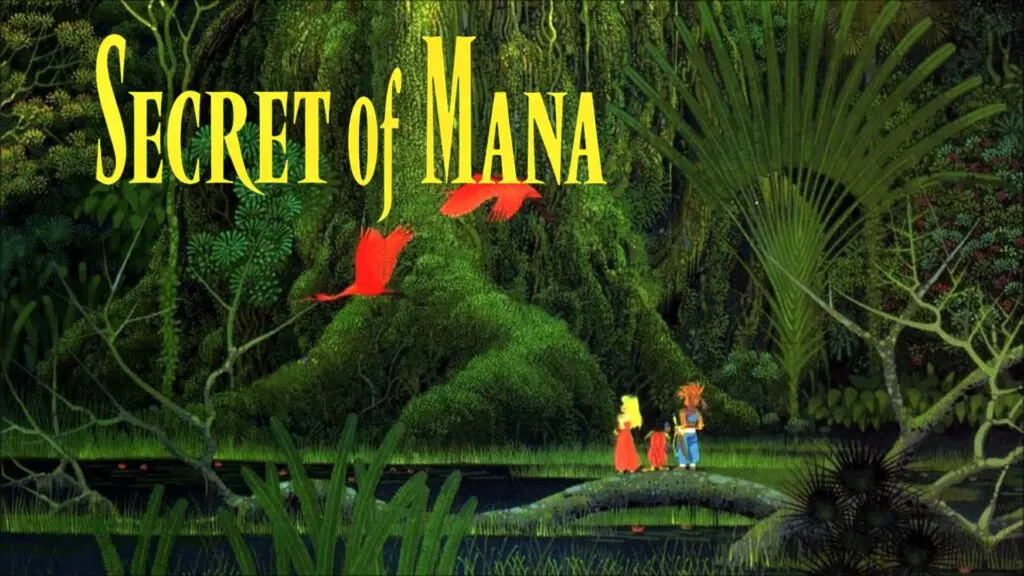
Recently, “Time Extension” had the honor to interview Hiroki Kikuta, the composer of “Seaken Densetsu 2” and “Seaken Densetsu 3”, and talked about his early influences, his creative experience on these classic RPGs, and his unique way of composing music.
This legendary Japanese musician’s work has had us admiring him for decades. For players familiar with the RPG genre, his name needs no introduction. But for readers who don’t know him well, we think it is necessary to briefly review his career to let everyone understand why he has received such high praise and respect in the industry.
Hiroki Kikuta joined Square in the early 1990s and began his career creating game music. Initially, he participated in the debugging work of “Final Fantasy IV” and created sound effects for the RPG “Romantic SaGa” launched in 1992 (translated as “Resurrection of the Evil God” in Hong Kong and Taiwan). Later, he composed the classic game soundtrack for “Sword Densetsu 2” released in 1993. These music are still regarded by many players as one of the masterpieces of the Super Nintendo era!
He later went on to create outstanding soundtracks for two Square titles, including 1995’s “Sword Densetsu 3” and 1998’s action RPG “The Realm of the Gods.”
Set up your own company
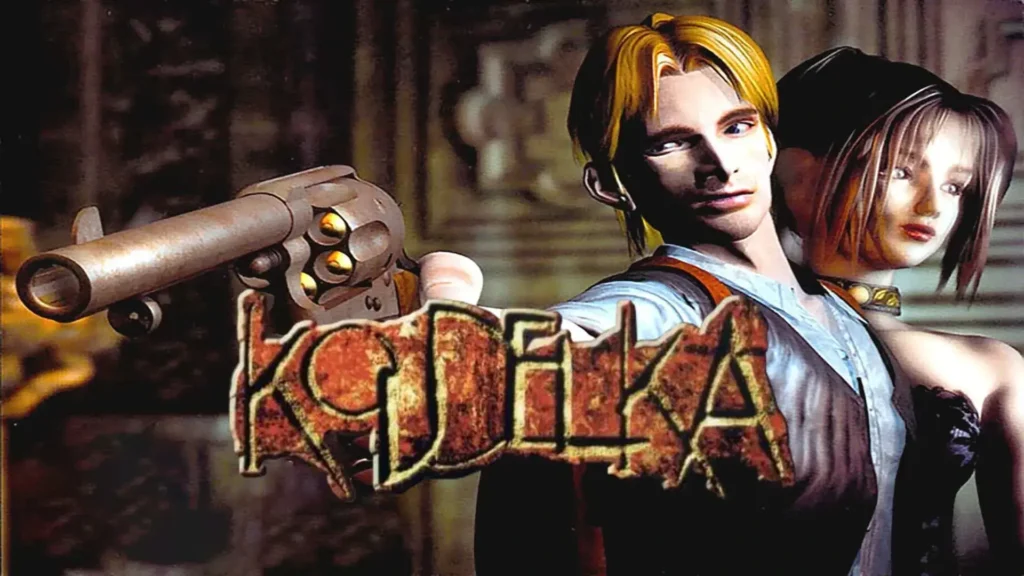
In 1997, Kikuta Hiroki left Square and founded his own game development company, Sacnoth. During this period, he served as the writer, director and music composer of the 1998 PS1 horror RPG “Koudelka”. However, he left Sacnoth shortly after completing Koudelka and began pursuing more creative possibilities, including becoming a freelance musician.
Free creation and the continuation of the Mana series
Since then, Hiroki Kikuta has been working as a freelance musician, not only releasing new music through his own record label Nostrillia, but also working with Scarlet Moon Records. He has also participated in the music production of multiple independent games, such as 2019’s “Indivisible” and the upcoming “Infinity Knights: Xross”.
Additionally, he remains closely associated with the Mana series, including 2014’s Rise of Mana (as a guest composer), the remakes of Mana 2 and Mana 3, and his latest title, Visions of Mana.
Looking back at classic music from the Super Nintendo era
This interview mainly focuses on his creative experience during the Super Nintendo era, but we also hope that through this conversation, more people can know and appreciate the rich musical world created by Hiroki Kikuta both inside and outside the game.
Musical Enlightenment: A Childhood Inspired by the Radio
Time Extension: To start, we want to understand how you first got into music. Can you share some musicians or genres that you listened to growing up?
Hiroki Kikuta:
First of all, I want you to imagine that when I was a kid, there was no internet, no YouTube, and very limited access to music. The main source is the radio station. But as you know, when listening to the radio, you don’t have the freedom to choose what you want to hear. Therefore, I could only sit in front of the radio and listen to the music coming from the speakers for a long time.
Sometimes it’s innovative jazz played by Bill Evans; sometimes it’s country music from the United States; sometimes it’s traditional Japanese folk songs; there’s even a trumpet concerto by Georg Philipp Telemann. However, these are not important to me. I just want to immerse myself in the music and experience the touch and shock brought by unknown music.
As a boy growing up in the country, I had a thirst for music. Because of this, I was able to absorb all different types of music. It can be said that this is completely different from the way modern young people actively learn music. At that time, my desire for music made me not picky and set no limits, which laid the diversified foundation for my future music creation.
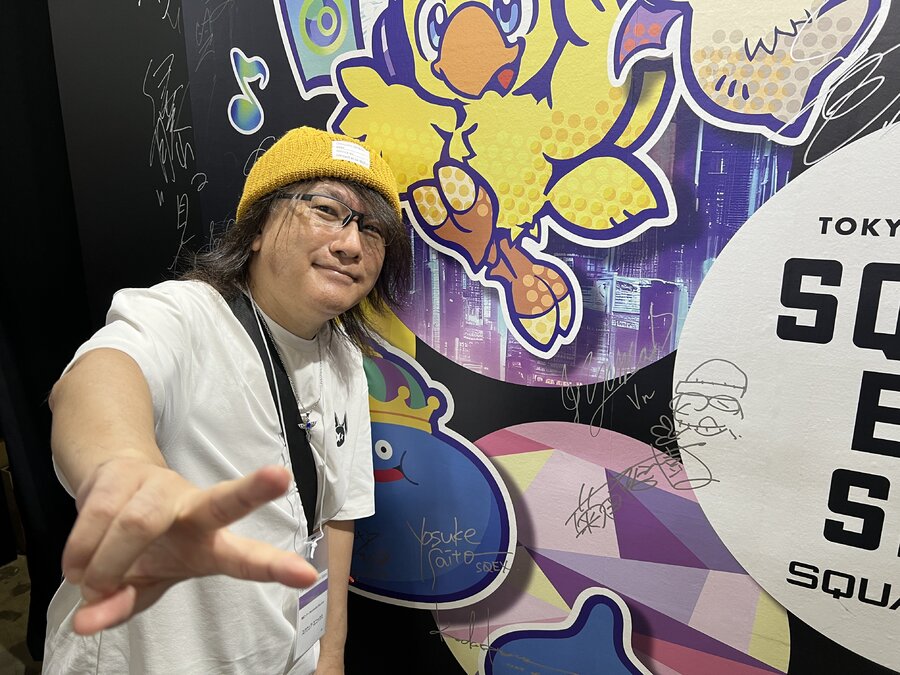
Self-taught: from classical guitar to game music master
Time Extension: You have mentioned in past interviews that you are a self-taught musician. What was the first musical instrument you ever owned? How did you develop your musical skills without a formal music education?
Hiroki Kikuta:
My first musical instrument was a classical guitar that I had at home when I was a kid. I didn’t learn from anyone, but I think the process of teaching myself to play guitar and composing music on my own greatly enhanced my musical talent.
There is no such thing as a formal music education in the world of rock or folk music, but the passion to be moved by the music and the desire to play it is crucial. Therefore, the most effective way to develop musical skills is not with technique or theory, but with passion. No difficulty can defeat enthusiasm.
TV animation soundtrack: the creative process before the game
Time Extension: We have read some information in the past and mentioned that some of your earliest composing jobs before entering the game industry were actually composing soundtracks for TV shows. Is this true?
Hiroki Kikuta:
Indeed. In my twenties I worked in a number of different jobs, including comic book writing and mechanical design, while I also produced BGM (background music) for TV animation. This experience gave me a very solid foundation in music creation, and also allowed me to gradually find my own style in music.
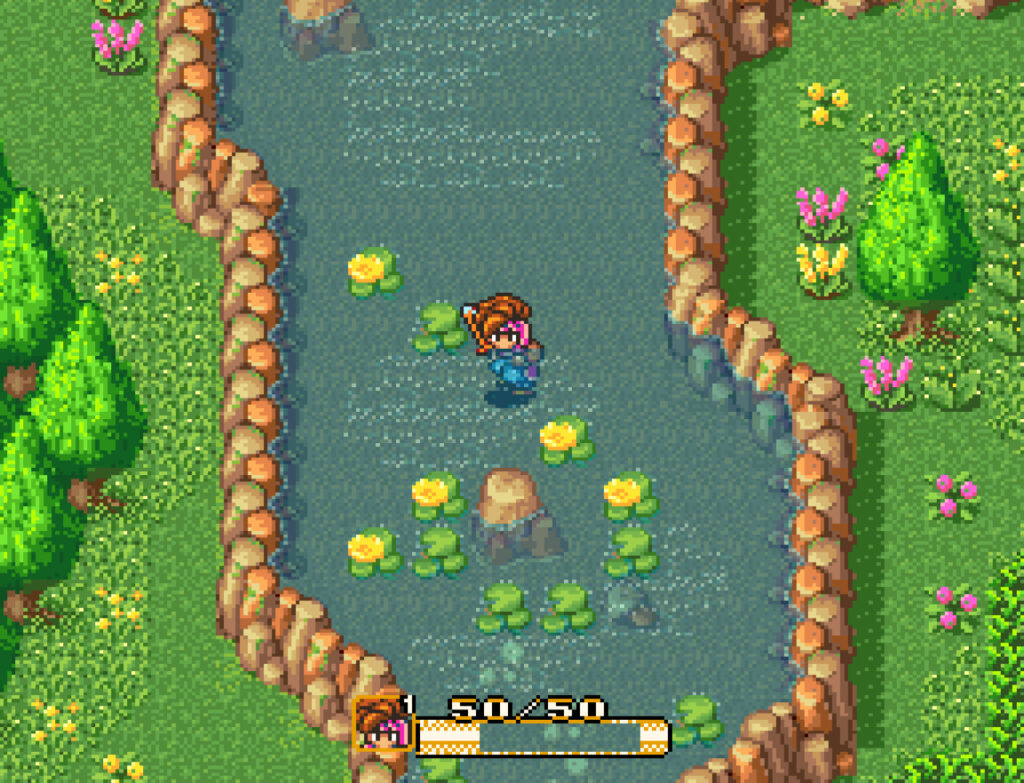
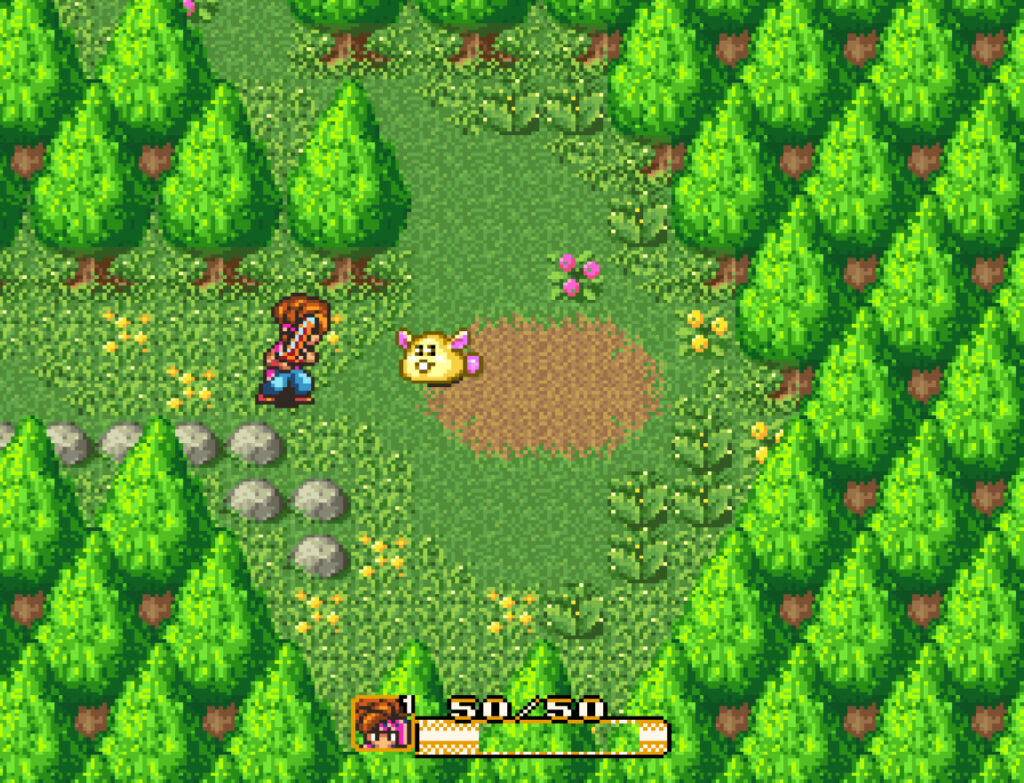
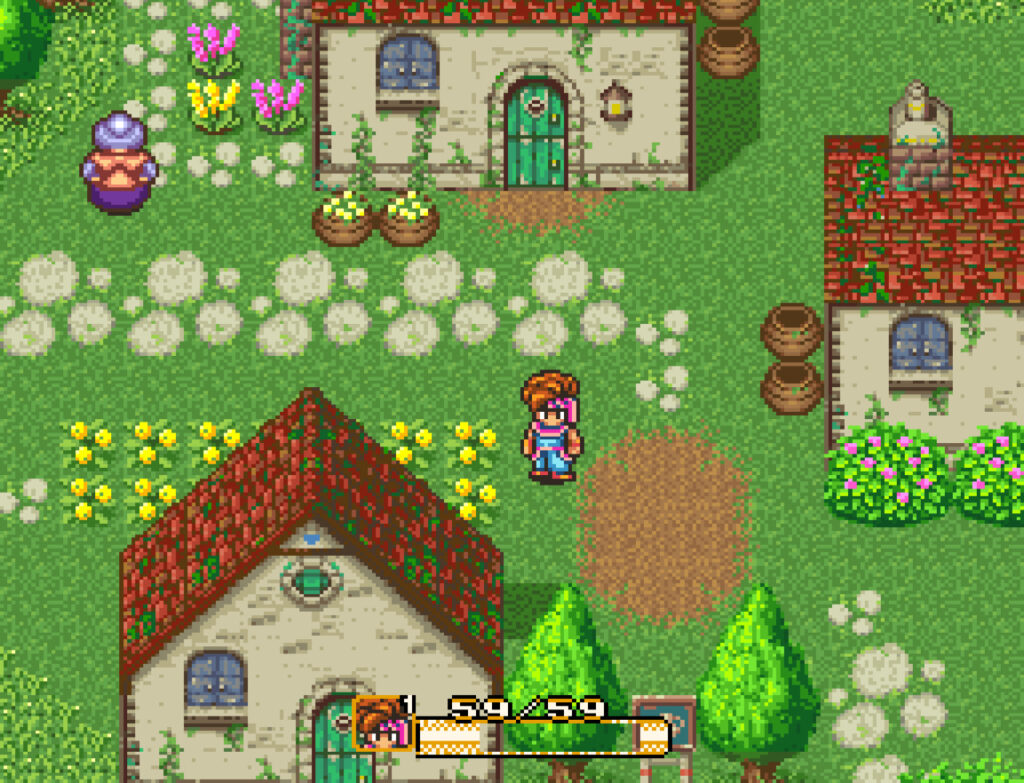
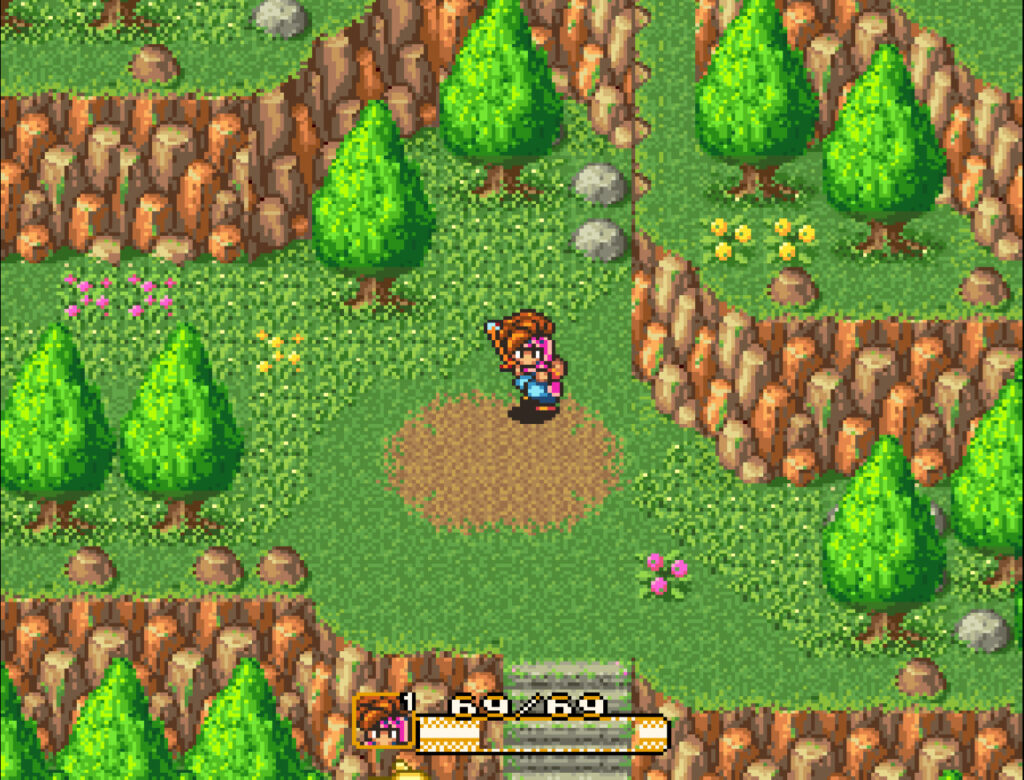
“Secret of Mana” tells the adventure story of a young boy. Because he accidentally pulled out the ancient holy sword, he was regarded as an ominous person by the villagers and was expelled from his hometown. In order to regain the power of the holy sword and save the world, he embarks on a challenging journey. During the adventure, he will meet partners and enemies, and gradually uncover the mysterious legend of the Holy Sword and this world. This game is famous for its real-time combat system, three-person team adventure, and rich plot. It is a classic RPG masterpiece in the hearts of many players.
From player to composer: Hiroki Kikuta’s first encounter with games
Time Extension: How familiar were you with the world of video games before applying to work in the games industry? Is there a particular game you liked at the time?
Hiroki Kikuta:
I’ve been a huge fan of video games since college. At that time, home game consoles were not yet popular, so I would often run to the game center with a 100 yen coin.
My favorite game is NAMCO’s The Tower of Druaga.
The background music (BGM) composed by Junko Ozawa moved me deeply and I still remember it vividly.
Of course, the simple but challenging system design of this game is also what makes it fascinating.
At that time, I never thought I would one day become a game music creator.
Destiny is indeed a wonderful thing.
Your journey at Square: From magazine ads to legendary musicians
Time Extension: How did you get into Square? Do you have any special memories of the application process?
Hiroki Kikuta:
At that time, I was《Login》Job ads seen in magazines.
To be honest, I know nothing about the gaming industry.
Initially, I applied for a position at Falcom, but unfortunately I wasn’t accepted.
Then, I saw Square’s job advertisement and applied with the mentality of giving it a try.
Unexpectedly, they contacted me and invited me for an interview.
During the interview, I met Nobuo Uematsu and Kenji Ito.
We talked a lot about progressive rock, and maybe it was this enthusiasm that impressed them.
Shortly after, I received an offer and decided to join Square.
When I first started working, I was still wearing a suit, and I was surprised to find that no one in the Square was dressed that formally.
This experience gave me a deep appreciation of the free and creative atmosphere in the gaming industry.
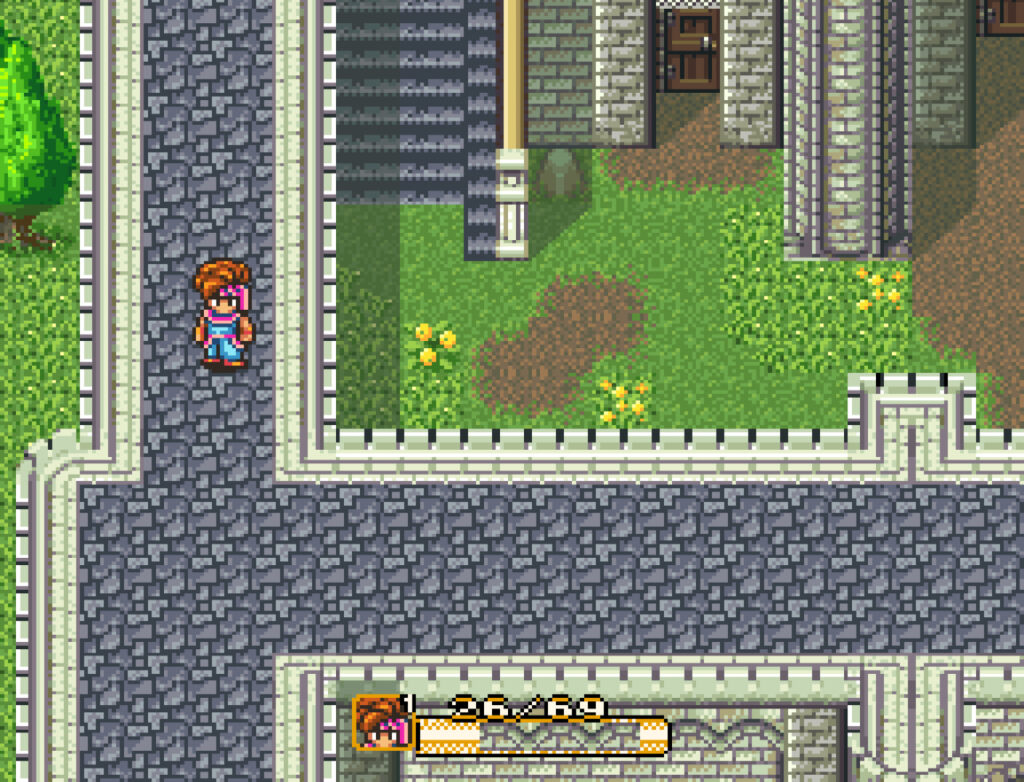
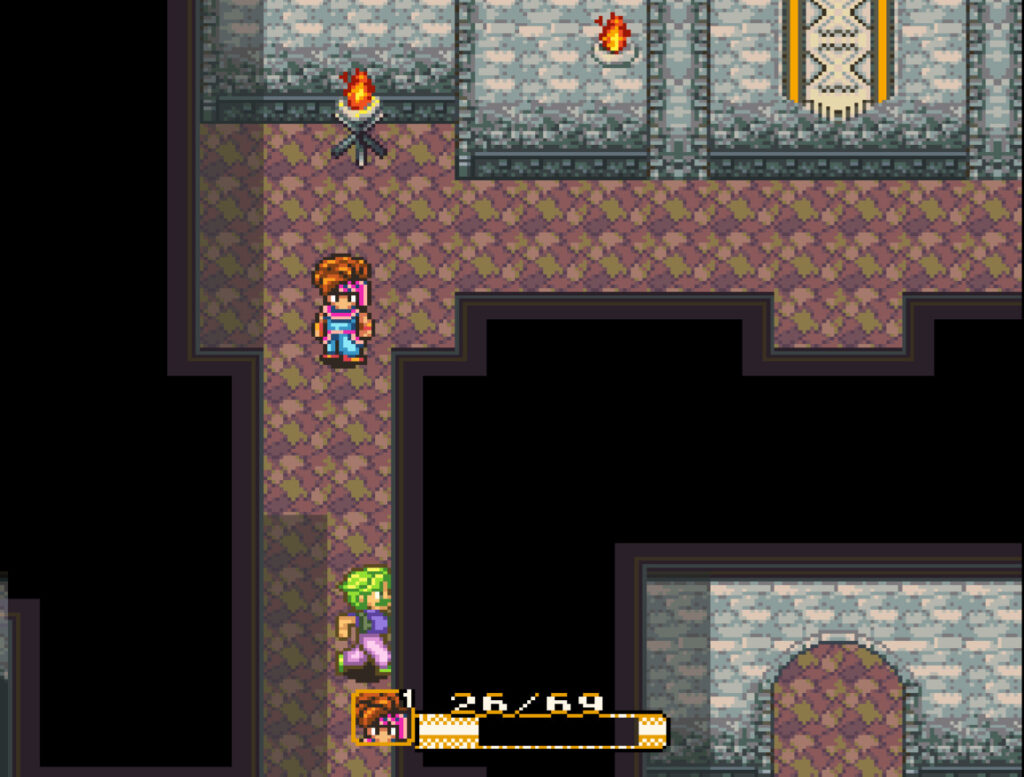
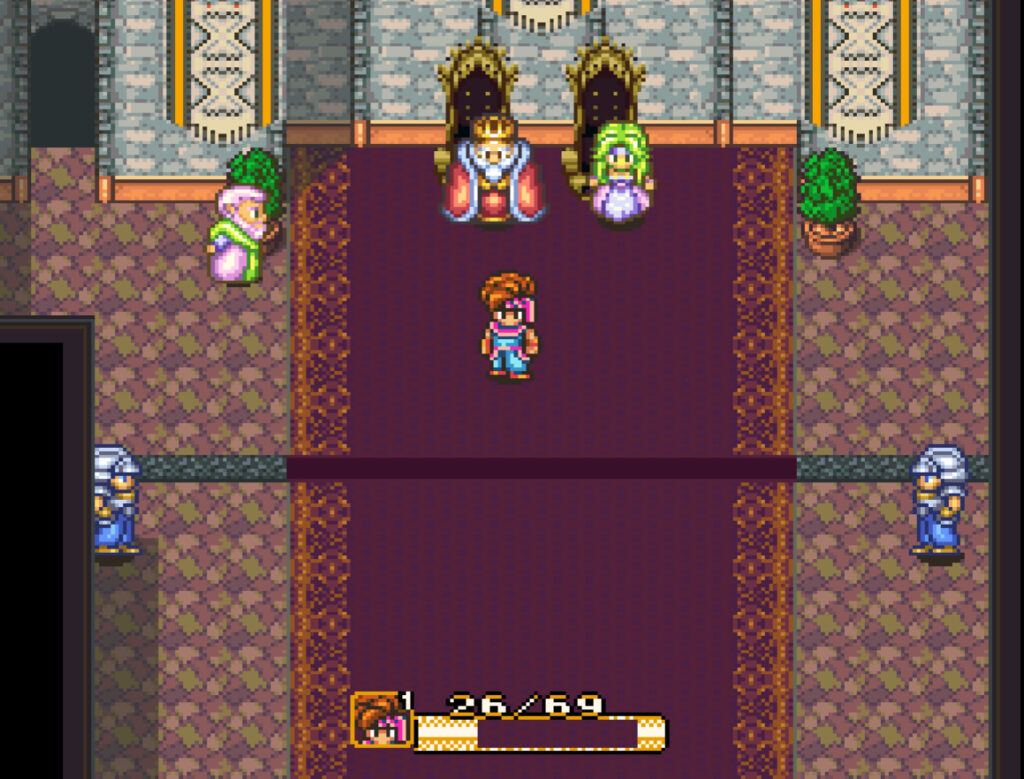
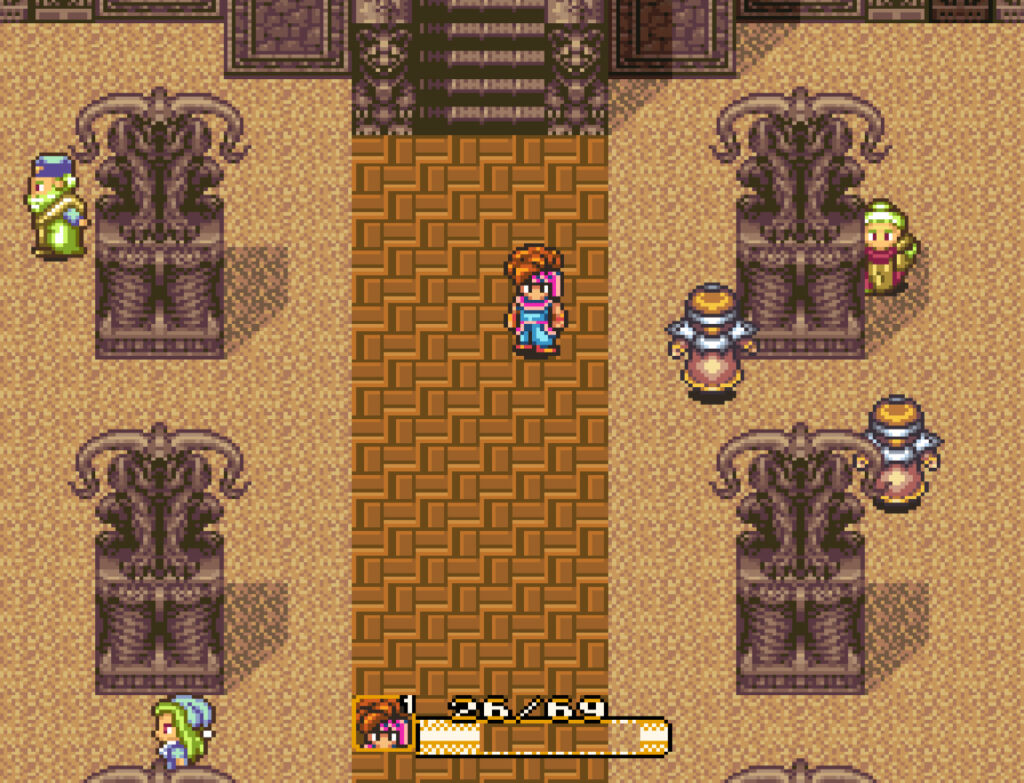
In “Secret of Mana”, players will embark on a cross-continental adventure and explore various areas full of mystery and danger. Among them, the Kingdom of Pandora is one of the earliest places to arrive on the journey. However, this kingdom is being shrouded by a mysterious evil force, and the residents in the town have turned into walking zombies. Their soulless eyes and sluggish movements like zombies give the entire town a strange atmosphere.
The Origin of Music in “Den of Mana 2”: Unexpected Arrangements and Fateful Encounters
Time Extension: How did you start composing music for Seiken Densetsu 2? I heard that Kenji Ito was originally responsible for the soundtrack of this work. Is this true?
Hiroki Kikuta:
At the time, Square had three development divisions, and the development cycle for each game took about two years.
According to the company’s rules, composers will be responsible for the soundtrack of a game from beginning to end.
So Nobuo Uematsu was in charge of the first development department, Kenji Ito was in charge of the second development department, and I was in charge of the third development department.
Therefore, it is a natural arrangement that I will be responsible for “Sword Densetsu 2”.
I had no idea at the time that I would have such a profound connection to the game.
It can be said that fate and interpersonal relationships are full of magical coincidences.
Differences in Score Creation: Animation vs. Video Games
Time Extension: You have also composed music for TV animation before. What do you think is the biggest difference between composing music for animation and for games?
Hiroki Kikuta:
The background music of TV animations or dramas is mainly to enhance the emotional fluctuations and dramatic tension of the plot.
The purpose of the soundtrack is to allow the audience to resonate emotionally with the ups and downs of the plot, usually a short period of high-intensity emotional transmission.
But the background music of video games is completely different.
The purpose of game music is to express the world view, create the atmosphere of the scene, and show the cultural and ethnic background.
For example, in “Dense of Mana 2”, music should not only set off the plot, but also make players feel immersed in exploring the fantasy world.
But there is a very important challenge:
Game music can be listened to repeatedly by players unlimited times.
Even the best music will eventually become boring if played over and over again.
Therefore, creating music that does not make people tired or bored has become one of the most important topics for game music composers.
I think this is the most challenging and fascinating part of game music creation.
The first song to be included in the Super Nintendo system was the song “Secret of the Wild”.
“Sword Densetsu 2” Music Production: AKAI S900 and the Limits of the Super Nintendo
Time Extension: What kind of music equipment did you use when composing the music for “Sword Densetsu 2”? Is there a particular tool you rely on to create the sound effects samples in the game?
Hiroki Kikuta:
A detailed explanation would take days or even weeks.
Maximizing the performance of the Super Nintendo and creating impressive music is a very difficult task.
Specifically, my most used sampler at the time was the AKAI S900.
The S900’s dedicated sample library is a creative source I often rely on.
However, sampler memory at the time was very limited;
Therefore, sound engineers must store high-quality instrument sounds in very small data capacity.
Such limitations require us to use creativity and technology to maximize the use of every bit of memory.
Original Inspiration: From “The Fairy Children” to “The Secret of the Wild”
Time Extension: Do you remember what was the first piece of music composed for “Sword Densetsu 2”?
Hiroki Kikuta:
The first piece of music I remember composing was “The Child of the Fairy Tribe.”
But the first game to be included in the Super Nintendo system was “Secret of the Arid Sands”.
These two pieces of music were not only the starting point of my creative journey, but also became the basic musical elements of the game’s worldview.
The birth of a classic legend: from no one cares about it to a player classic
Time Extension: Since the release of “Dense of Mana 2”, the game’s original soundtrack has gradually become a classic in the hearts of countless players.
At what point did you realize that this music had become widely accepted by RPG players and had not faded away over time?
Hiroki Kikuta:
In fact, this was not realized until many years later.
When the game was first released, it received almost no feedback from the public or players.
At that time, I often wondered why I spent so much time and energy on making the arrangement album “Secret of Mana+” but got no response.
Perhaps over the years, players have developed an emotional resonance with these melodies, which has gradually allowed this soundtrack to be recognized and become a classic.
This also made me deeply realize that the value of music does not lie in the instant reaction, but in its ability to continue to touch people’s hearts over time.
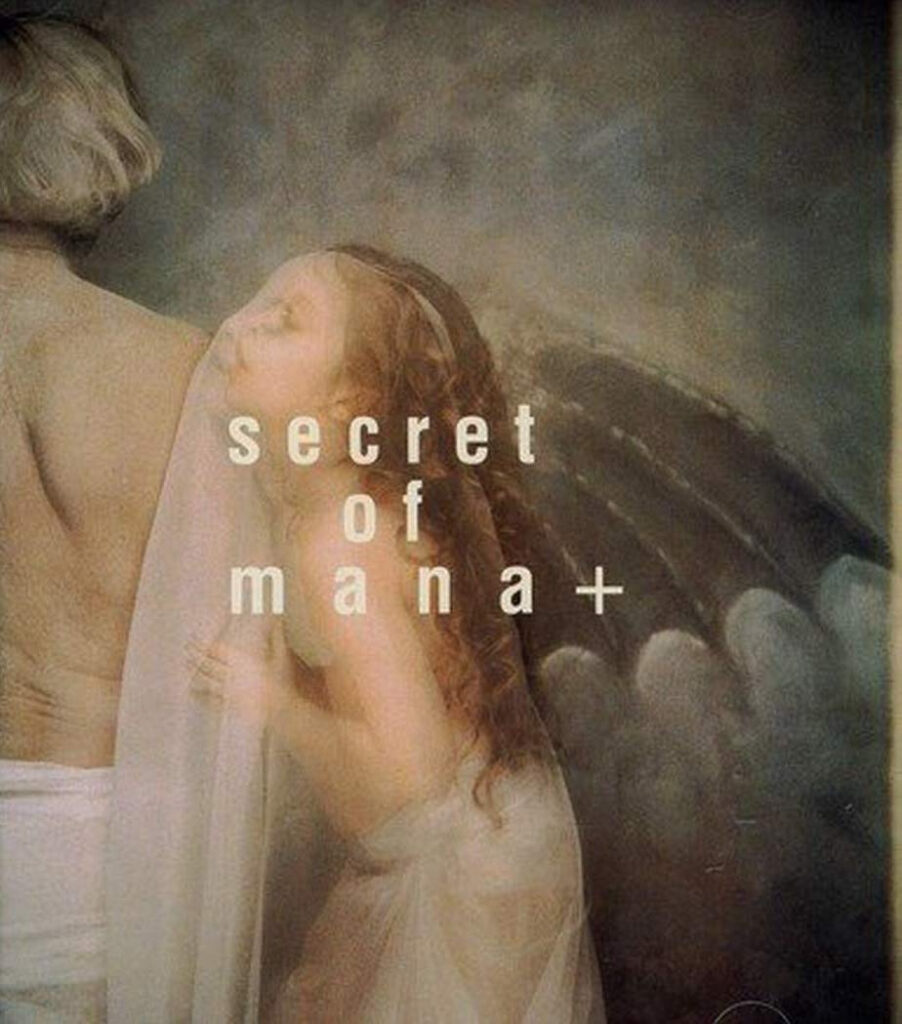
Free Sound: The process of creating “Secret of Mana+”
Hiroki Kikuta:
The two-year development period of Seiken Densetsu 2 really put me under a lot of pressure.
The energy of all kinds of dissatisfaction and suppressed emotions was finally transformed into me creating a 50-minute long melody that was completely free and moved according to my heart.
Simply put,
What I want to express is: music is free.
I hope to convey the beauty and irreplaceable importance of freedom through these melodies.
“Secret of Mana+” is the embodiment of this emotion and spirit.
A Classic Reinterpreted: Thoughts on EXCALIBUR: A Tribute to Secret of Mana
Time Extension: There have been many reinterpretations of your Seiken Densetsu 2 work over the years, such as this year’s tribute album EXCALIBUR: A Tribute to Secret of Mana released by Scarlet Moon Productions.
Do you have a particular favorite arrangement from this album?
Hiroki Kikuta:
Honestly, I think every song and every arrangement is outstanding.
I’m glad that the players of the past are now musicians with a wealth of musical experience, skills and taste.
In front of so many high-level works, I really can’t make any comparison or ranking.
But if I had to pick an arrangement that I particularly like,
Then I’d go with Mana Brasilis’ interpretation of “Into the Thick of It.”
I love Bossa Nova music so much;
Also attracted by their harmonious and surprising way of reconstruction.
This reinterpretation of the arrangement is full of unexpected surprises and touches for me.
“Dense of Mana 3”: A new musical concept that breaks through oneself
Time Extension: After completing “Trials of Mana”, you immediately started composing music for its sequel “Trials of Mana”.
Compared with the previous work, are there any differences in your creative concept? Is the pressure more or less this time?
Hiroki Kikuta:
The music of “Dense of Mana 2” and “Dense of Mana 3” were created based on completely different concepts.
For me, the music of “Sword Densetsu 2” has reached perfection.
However, I knew that if I followed the same direction in creating Seiken Densetsu 3,
It will never be able to surpass the musical achievements of its predecessor.
This is not pressure, but cruel reality.
Therefore, when composing the music for Seiken Densetsu 3,
I prepared a completely different concept.
Almost all compositions are produced within the limit of 6 notes being pronounced simultaneously.
If you think about it carefully, you will find:
With such constraints, very few sounds are available.
For example:
- 1 note for bass drum and snare,
- 1 note for bass guitar,
- 1 note for Hi-hat,
This leaves only 3 notes.
Use only 3 notes to express melody and harmony,
That kind of creative difficulty cannot be described in words.
But precisely because of this, such restrictions inspired my deeper creativity,
Let me find a new way of expression and give the music of “Sword Densetsu 3” a unique soul.
The music of “Dense of Mana 3” often has a mysterious and sacred color.
Return to the World of Mana and Infinity Knights: Xross: Redefining Game Music
Time Extension: You still work closely with Square and have participated in many Mana series projects. But you’re also active in the indie scene, either as a guest composer or as a lead composer. A recent example is Infinity Knights: Xross – a three-player co-op adventure game inspired by Seiken Densetsu II and Seiken Densetsu III. How was your experience with this project? Is there a particular creative philosophy that guides your musical style in this game?
Hiroki Kikuta:
Game music doesn’t exist on its own. It is a kind of music designed and produced to express the game world more attractively. Therefore, it is fundamentally different from the general way of creating music.
In ordinary music creation, the performer is the protagonist, but in game music, the game is the protagonist and the player is the protagonist. Therefore, what I need to pay attention to most is not to express myself, but to get close to the game, understand the game, feel the game, expand my imagination of the game world, and most importantly, love this game.
Creating for others is a completely different experience than creating for yourself. And this creative process is filled with indescribable joy. I hope to continue creating great music for more game designers.
“Infinity Knights: Xross”, which will be launched in 2025, can be regarded as the spiritual sequel to “Legend of Mana”.
Time Extension: Last question, do you have any other exciting plans to share next? We noticed that you are currently involved in the Japanese stage adaptation of Trials of Mana. Is it too early to talk about your role in this project?
Hiroki Kikuta:
No matter what kind of job you get, it’s important to maintain confidentiality. I think trust is more valuable than anything.
Time Extension: Got it! Thank you very much Mr. Kikuta for accepting our interview! We look forward to hearing more about your new work in due course.
If you want to follow the latest developments of Kikuta Hiroki, you canFollow him on Twitter。
source:TIME EXTENSION