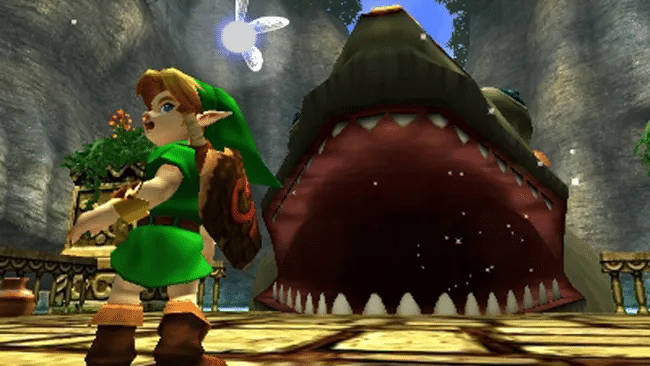
Anyone who has played The Legend of Zelda: Ocarina of Time knows Navi, the fairy who spends the whole adventure shouting “Hey! Listen!” at Link. What most players do not know is that she was almost a completely different character. Nintendo veteran designer Yoshiaki Koizumi has revealed that Navi was originally designed as a cute, humanoid girl – and that the Nintendo 64’s hardware simply could not handle the idea.
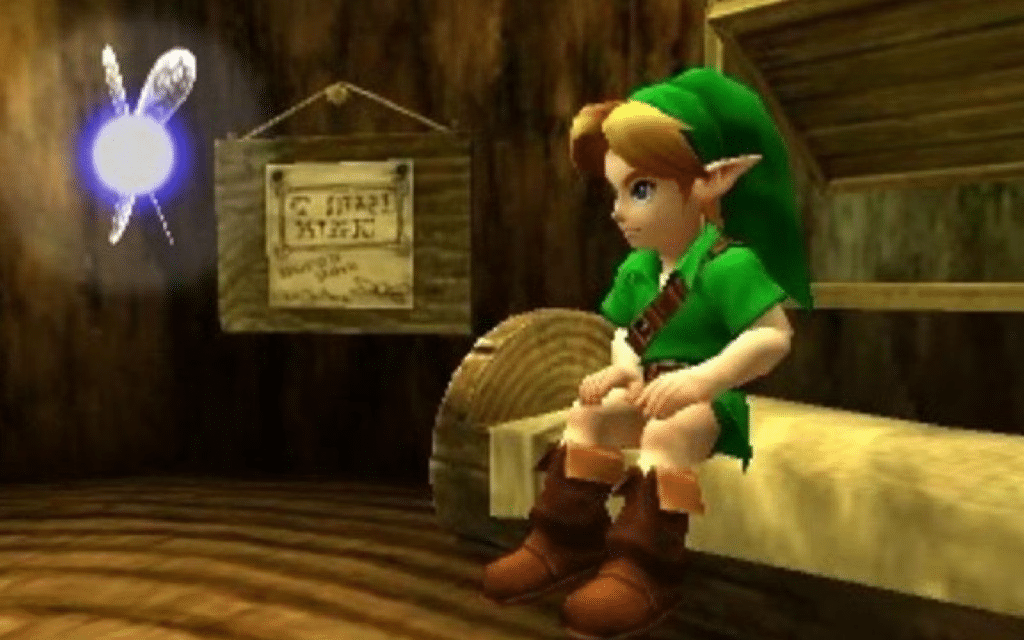
Koizumi explained that the team genuinely wanted Navi to appear as a lovely young girl, but the Nintendo 64’s limited graphical capability forced them to simplify her into a glowing sphere with wings. The technical constraint that birthed that workaround is one of the strangest footnotes in the history of one of gaming’s most recognisable companions – and, as it turns out, the reason a helper NPC exists in the game at all.
N64 limits created a classic
The story comes from Nintendo’s 2011 “Ask Iwata” interview series, which recently resurfaced thanks to the Kit & Krysta YouTube channel. Koizumi noted that fairies in traditional fantasy are usually drawn as cute girls, but the N64 could not render that level of detail, so the developers substituted a simple orb with wings. Even more interesting is that Navi was born out of the Z-targeting system rather than pure decoration: Koizumi did not want players simply aiming at an ordinary cursor, so a fairy was sent to fly toward the target, turning a mechanical mechanic into something that felt natural and alive.
Will the cute girl version ever happen?
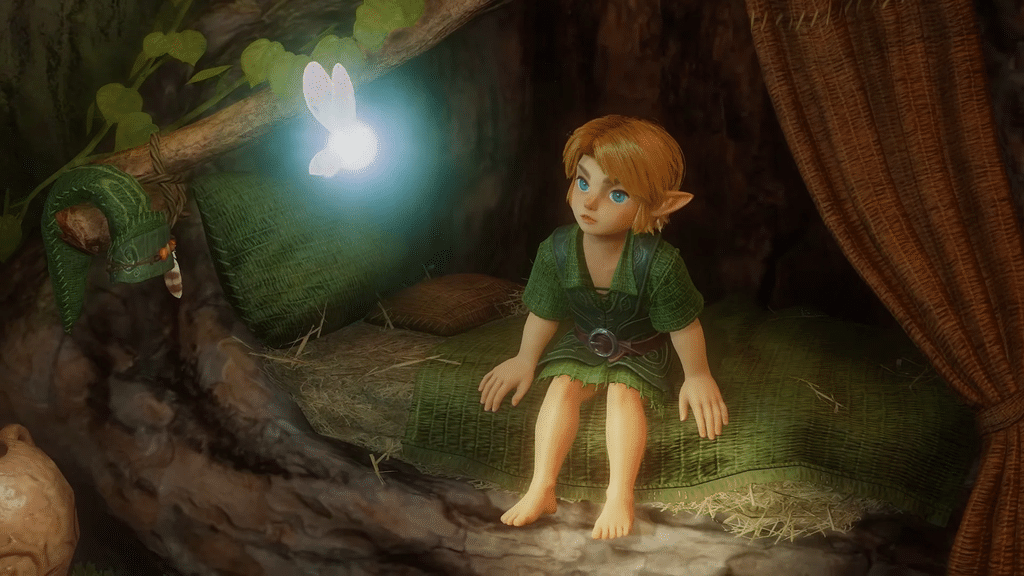
With the Ocarina of Time remake on the horizon, Navi’s appearance has become a talking point all over again. Judging by the remake footage released so far, Nintendo has not restored Navi to the cute girl concept and has kept the classic glowing orb, polishing the original design instead. Modern hardware could easily handle a fully modelled character, but the company appears to value the silhouette players already know. In the end, a design compromise forced by 32-bit hardware became one of gaming’s most iconic symbols – proof that the best characters are sometimes the ones a machine could barely draw.