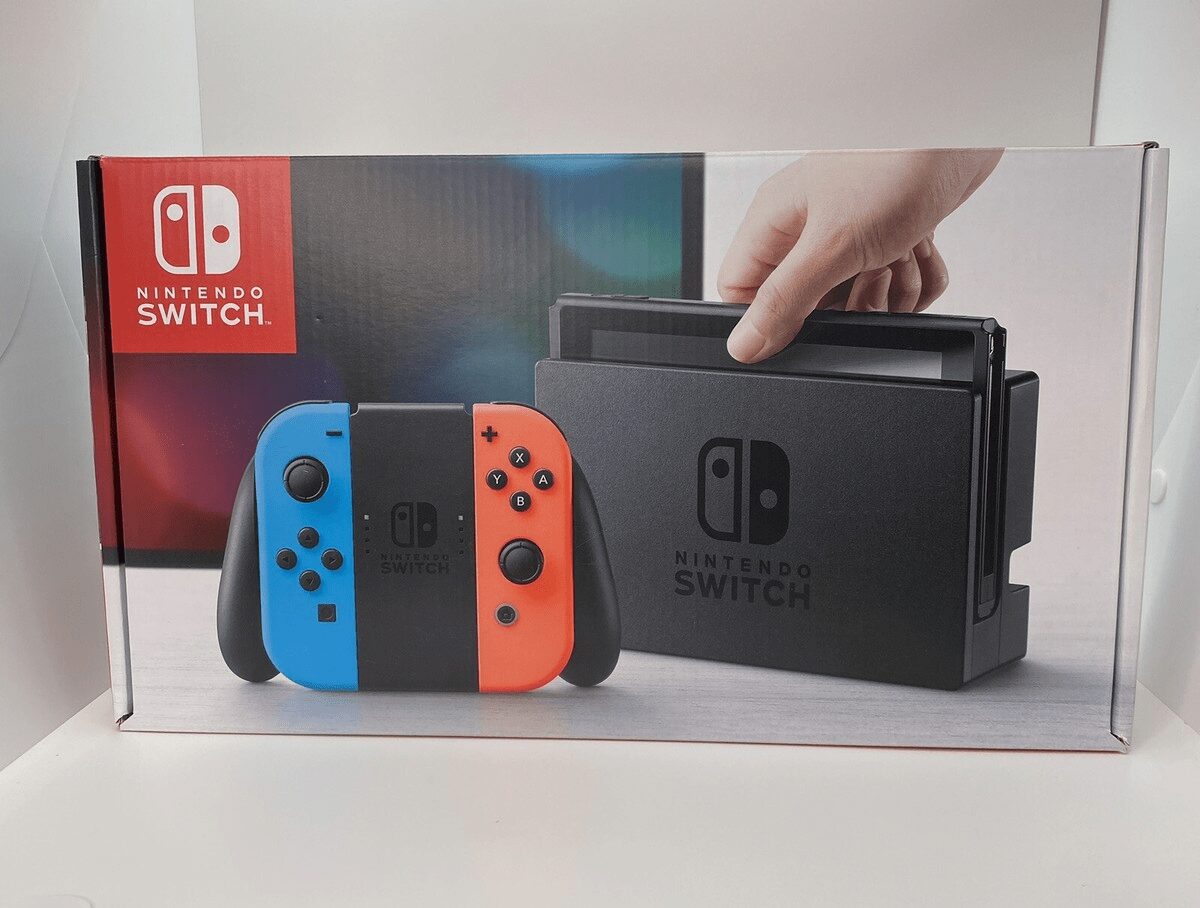
Many assume Pokemon or Disney would top the list of favorite brands among Japanese youth, but the latest survey results challenge that assumption. According to the “Brand Japan 2026” survey published by Nikkei BP Consulting, Nintendo Switch not only ranks exceptionally high among Japanese teenagers, but actually surpasses both Pokemon and Disney to become what young consumers consider an essential part of daily life.
The survey polled approximately 37,000 Japanese teenagers, asking them to choose their favorite brands from over 1,000 options. The results are highly representative and reveal shifting entertainment preferences across the younger demographic.
YouTube Takes First, Switch Claims Second
Looking at the rankings, YouTube unsurprisingly claims the top spot, while Nintendo Switch follows immediately behind in second place—ranking even higher than the Nintendo brand itself, which takes third.
These results send a clear signal: for younger audiences, platforms have become more important than individual IPs. Switch doesn’t rely on a single game to maintain engagement; instead, its entire ecosystem keeps users invested. YouTube, meanwhile, represents a different form of entertainment gateway altogether.
Even more striking, Switch ranks ahead of Pokemon and Disney, two of the world’s most powerful entertainment franchises, which placed seventh and tenth respectively among Japanese teenagers.
What Does It Mean When Pokemon and Disney Fall Behind?
At first glance, this might seem like a simple ranking shift, but it actually reflects changing usage patterns. Brands like Pokemon and Disney remain strong through content-driven appeal, whereas Switch functions as a continuous-use entertainment platform.
This explains why Switch can outrank Pokemon in this age group. You might love Pikachu, but you’re playing games—and watching gaming content on YouTube—every single day. That frequency difference directly impacts brand favorability.
Switch Popularity Concentrated Among Younger Demographics
When the survey scope expands to all age groups, the picture changes dramatically. Switch drops to 59th place overall, while Pokemon falls even further to 201st. Instead, everyday lifestyle brands like Suntory, Daiso, and Muji dominate the top rankings.
This demonstrates that Switch’s influence is highly concentrated among younger demographics rather than penetrating all generations equally.
Sales Data Supports the Survey Findings
The survey results align with real-world sales performance. Both Switch and Switch 2 remain strong in the Japanese market, with the new console selling nearly 100,000 units per week while the original model still moves approximately 20,000 units weekly. This shows demand hasn’t declined despite the generational transition.
This “old and new selling simultaneously” situation is rare in the console market and further reinforces Nintendo’s position in Japan. The survey findings underscore a fundamental shift in entertainment consumption: Japanese youth prioritize platforms that deliver continuous engagement over single-IP nostalgia. For Southeast Asian markets tracking similar demographic trends, this signals growing importance of platform ecosystems in capturing and retaining young audiences. Nintendo’s dual-console strategy—maintaining Switch 1 sales while launching Switch 2—demonstrates how platform loyalty can transcend hardware generations when the ecosystem remains compelling.