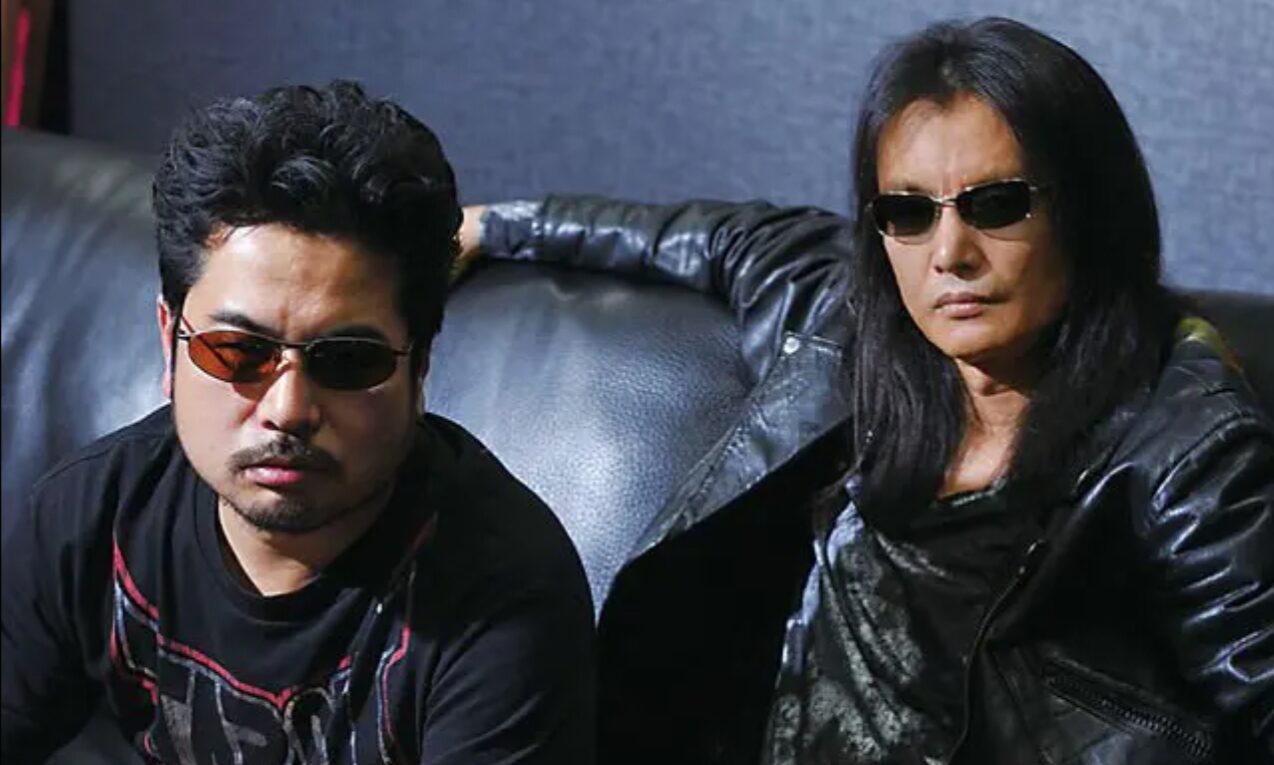
Shocking news came from the Japanese game industry – Tomonobu Itagaki, the father of “Ninja Gaiden” (Ninja Gaiden) and “Dead or Alive” (DOA / Life and Death Fighting), passed away at the age of 58. After the news came to light, his friend and rival who had known him for more than thirty years… “Tekken” series director Katsuhiro Harada posted a long tribute on X (Twitter), the content is so profound that it is almost like a retrospective of the history of gaming.
“He is my senior in college and my rival in my career as a developer. The last message I received from him was, ‘Let’s find time to have a drink.’
Everyone is mortal, but Mr. Itagaki, you left too soon. ” – Harada wrote.
A friendship that started as rivals
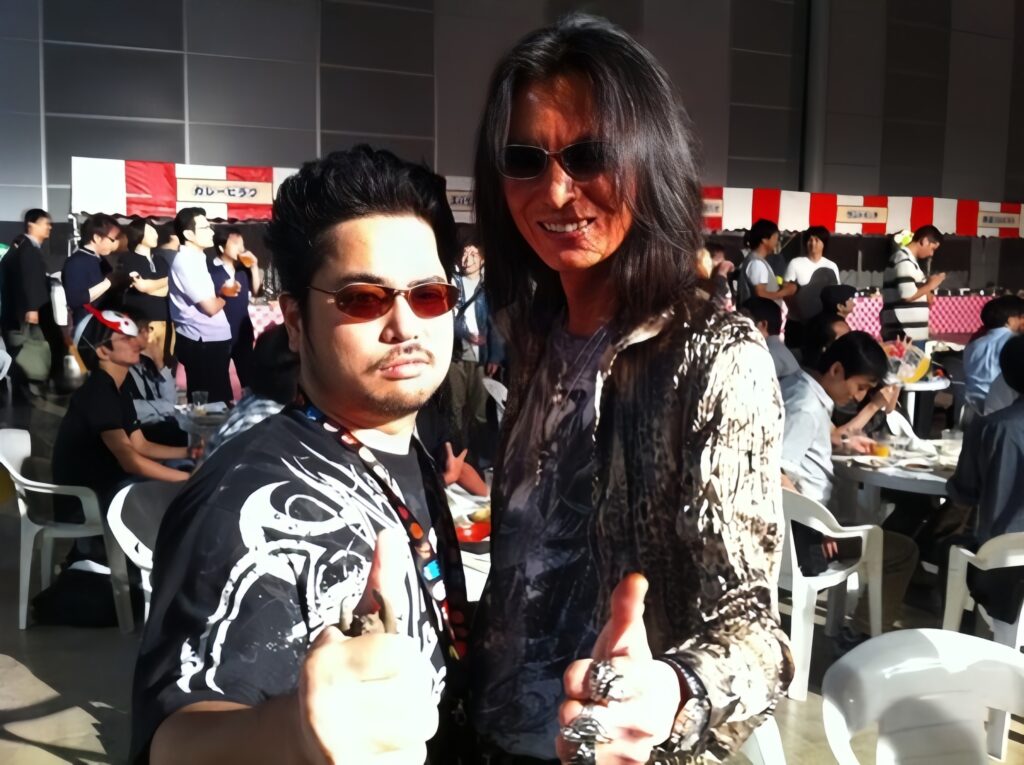
Harada recalled that the two first met in the mid-1990s, when “Dead or Alive” first came out. That day, he and the developer of SEGA AM2 happened to meet Itagaki after the game exhibition. The soul of the three fighting game camps-“Virtua Fighter”, “Tekken”, and “Dead or Alive” unexpectedly gathered in the same Shinjuku izakaya.
“We were all polite at that time, and he said to me: ‘Mr. Harada is such an interesting person.’ That was the first time he smiled at me.”
Soon after, Itagaki discovered that Harada was his junior at Waseda University. He even checked the information and determined that “student numbers overlapped for seven years.” From then on, he changed his tone to speak to him in a senior tone – which also established the relationship between the two of “quarrels and sympathy.”
Ten years of silence and a phone call
By 1998, DOA2 was in development. Harada received a call from Itagaki: “Come to my company tomorrow, I have something to show you.”
It turned out that it was the development machine of DOA2. He demonstrated it on the spot and said in a provocative tone: “You are the first person to see it, how about it?”
Harada replied: “It feels good to operate.”
Itagaki smiled with satisfaction: “I knew we won.”
After that, “DOA” began to “target Tekken” frequently in the media, forming an Itagaki-style “publicity war.” Harada was asked by his boss not to respond, and the two sides maintained a tense relationship of “he said, I kept silent” for ten years. It wasn’t until Itagaki left Tecmo in 2008 that he took the initiative to call and invite him to dinner – a conversation that ended their ten-year war.
“He raised his glass and said: ‘Harada, you are my comrade-in-arms.’
I realized at that moment that his so-called hostility was actually the highest form of respect. “
The game battlefield in the eyes of two people
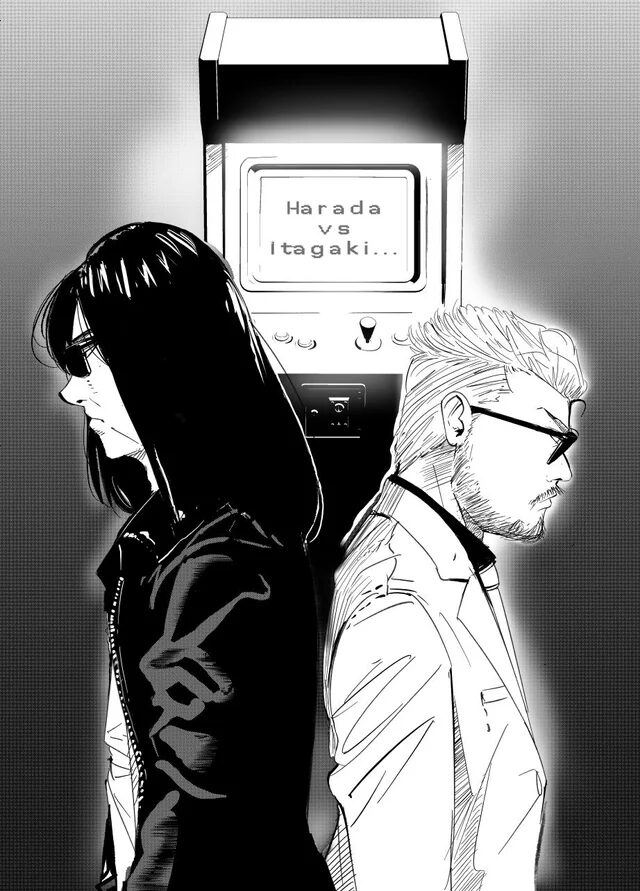
In the long article, Harada also revealed Itagaki’s “strategist” side.
He will collect personnel information of the “Tekken” team, analyze the members’ academic qualifications and technical structure, and even post a “power map” in the office.
He views the fighting game market as a war – “Only by knowing the enemy can you survive.”
Such calmness and ambition have allowed DOA to successfully open up a future in the international market.
In contrast, Harada’s strategy is to observe game arcades around the world, study player behavior, and be the first to foresee the change in the times when “fighting games will shift from arcades to home consoles.”
“I knew then that we couldn’t just stay in the arcade. That was the moment when the entire value of entertainment changed,” he said.
The conversation between the two was like a belated summary – from arguing to mutual understanding.
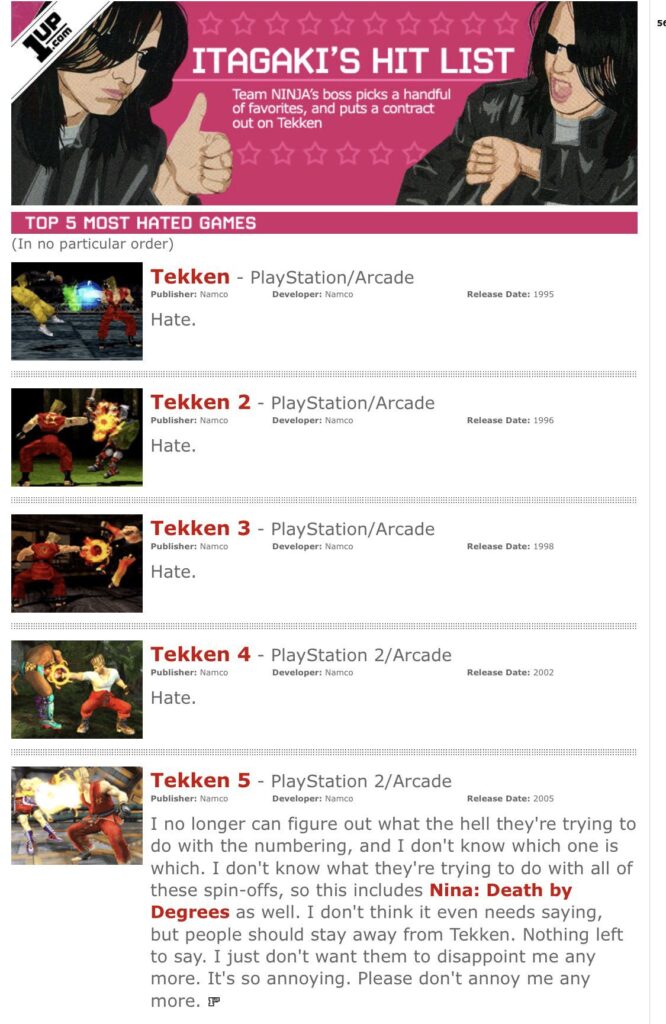
It is said that the game that Sour Face hates the most is very simple, it is “Tekken” 12345…
“You left too early”
Harada wrote at the end of the article: “Mr. Itagaki, you often said you wanted to knock me down, and you often said you wanted to buy me a drink. You also attended my wedding, wearing a black leather jacket and sunglasses, and told me that I was a comrade-in-arms. But, in the end, I couldn’t say anything to you. There were too many things to say, and there was no time to say them.”
He admitted that he was “very depressed” after learning the bad news.
This long article finally ends with an unforgettable farewell——
“Everyone will die eventually, but Mr. Itagaki, you left too early. I thought we could really have that drink next time.”
The deepest respect between adversaries
For the gaming industry, the relationship between Harada and Itagaki is a two-person legend that lasted for thirty years. One is a calm strategist, and the other is a wild creator; their competition promoted the golden age of fighting games and shaped today’s Japanese gaming culture.
Now, one party has left first, but those years of hostility and sympathy will be written into the history of the game forever.