
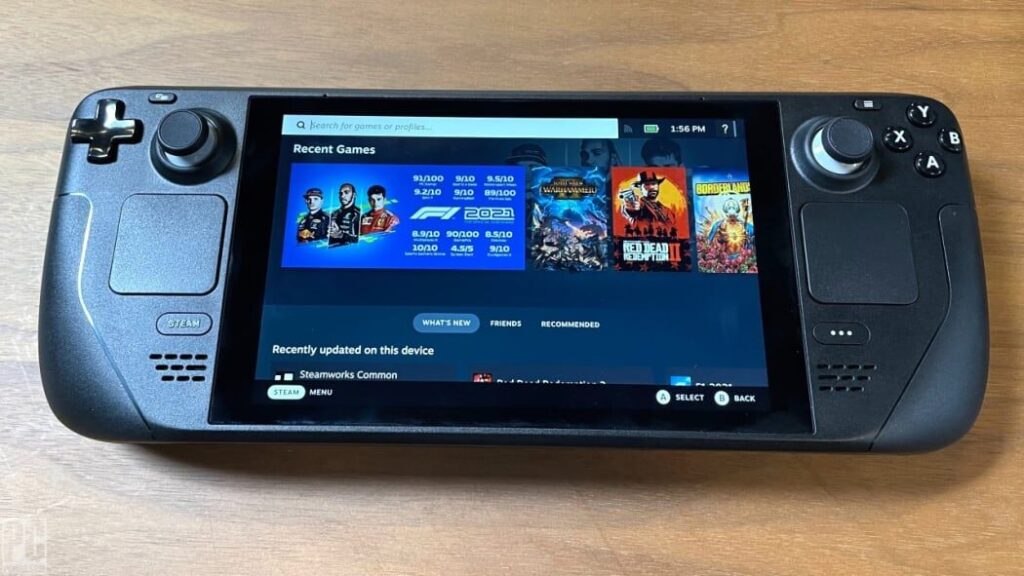
If you’ve played any console, those four familiar buttons in your hand—A, B, X, Y—should have long since become part of your muscle memory. From Super Nintendo to Xbox and even Steam Deck, this arrangement has become a global “standard”, except for Sony PS5. Well, there is another “fish that slipped through the net”, which is SNK NEOGEO, with the handles A, B, C, and D.
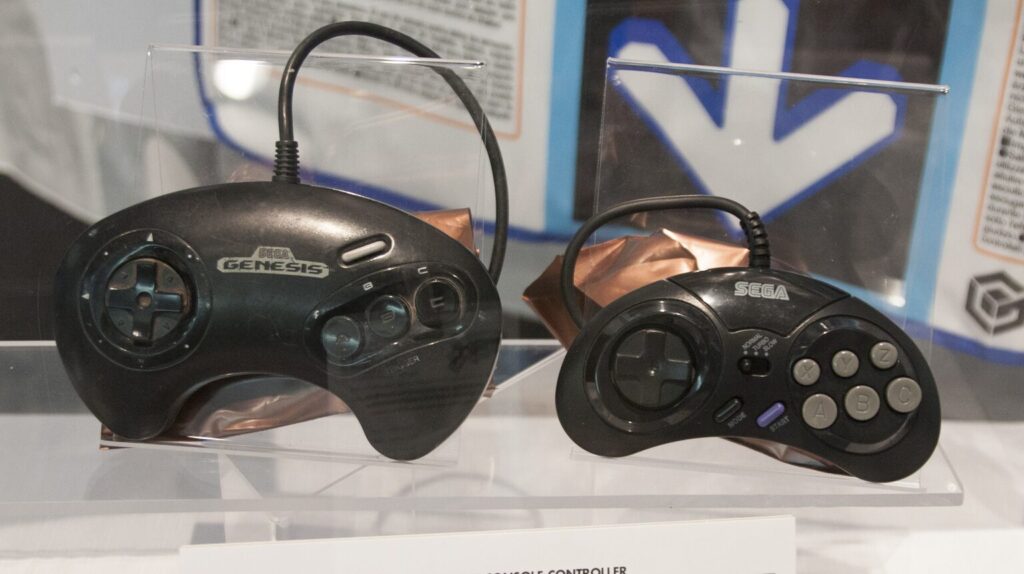
But have you ever wondered why it’s not A, B, C, D? In fact, some game consoles such as Sega Mega Drive (also known as Genesis in the United States) use A, B, and C (a small number of games also correspond to X, Y, and Z, such as “Street Fighter”). As for SNK’s Neo Geo, they simply add D, just like the arcade machine.
This mystery was actually solved as early as 1993 in “Nintendo Power” magazine.
One reader wrote to ask: “Why do you use X and Y instead of C and D on the Super Nintendo controller?”
Nintendo of America product designer Lance Barr gave an official explanation – the two letters were not chosen randomly.
According to him, X and Y are coordinate naming conventions from the fields of CAD (computer-aided design) and engineering. At that time, the design team believed that A and B were “primary buttons”, while X and Y were “secondary buttons”, so X and Y were chosen to correspond to the concepts of horizontal and vertical axes in the project. Even though they can theoretically be called C and D, considering the arrangement of letters and symbolic imagery, “X, Y” seems more natural and “design-y”.
In other words, all our handle operation logic today actually extends from the coordinate system of engineering drawing software.
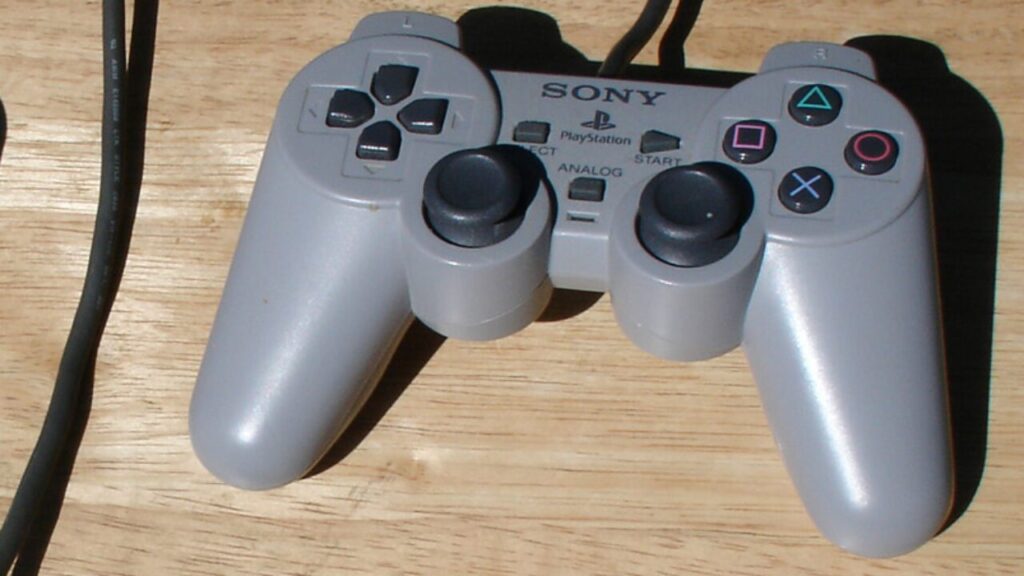
Even better, this system later became the universal language for game controllers around the world. As mentioned earlier, the Sega Mega Drive era also used X, Y, Z naming when adding three new keys; Microsoft continued to use A, B, X, Y when launching the first generation Xbox; even the modern Steam Deck copies this structure. Only Sony insists on its own symbol system and uses ○×△□ to find another way.
It all started with the Super Nintendo controller.
Looking back 30 years later, those four letters are not just buttons, but more like coordinates in the history of the game – in the world of A and B, X and Y have changed directions.