
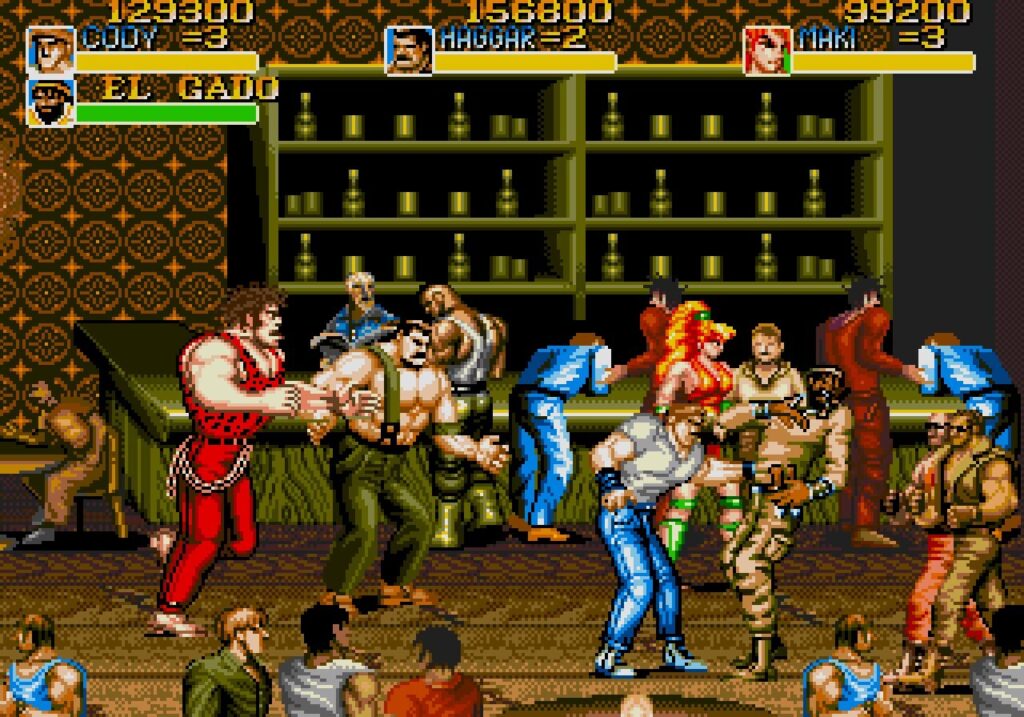
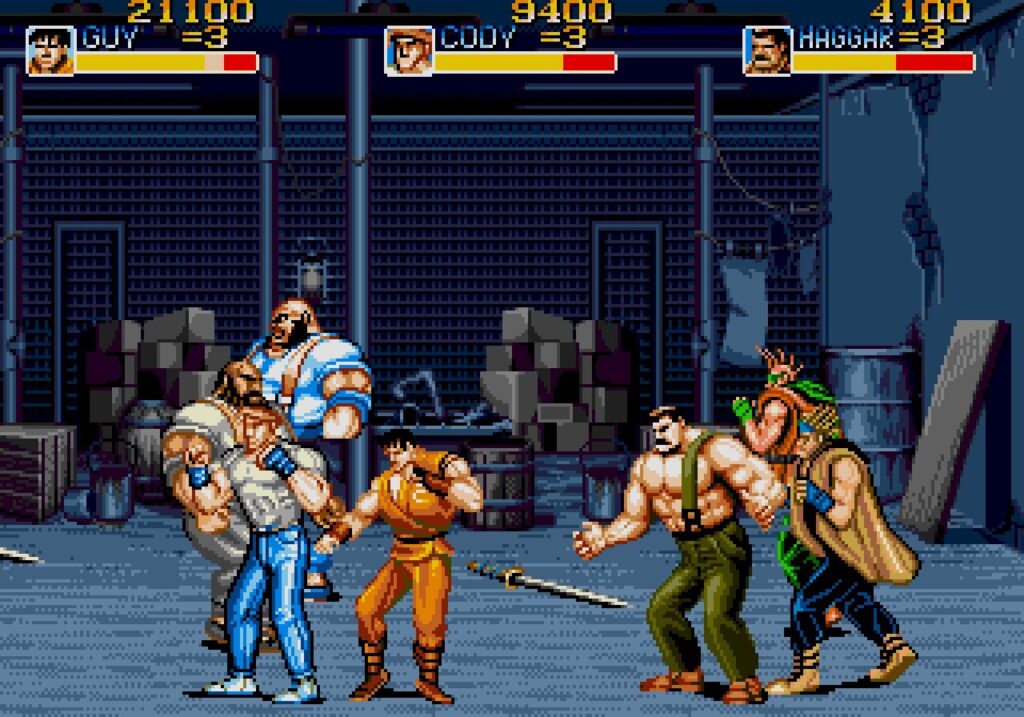
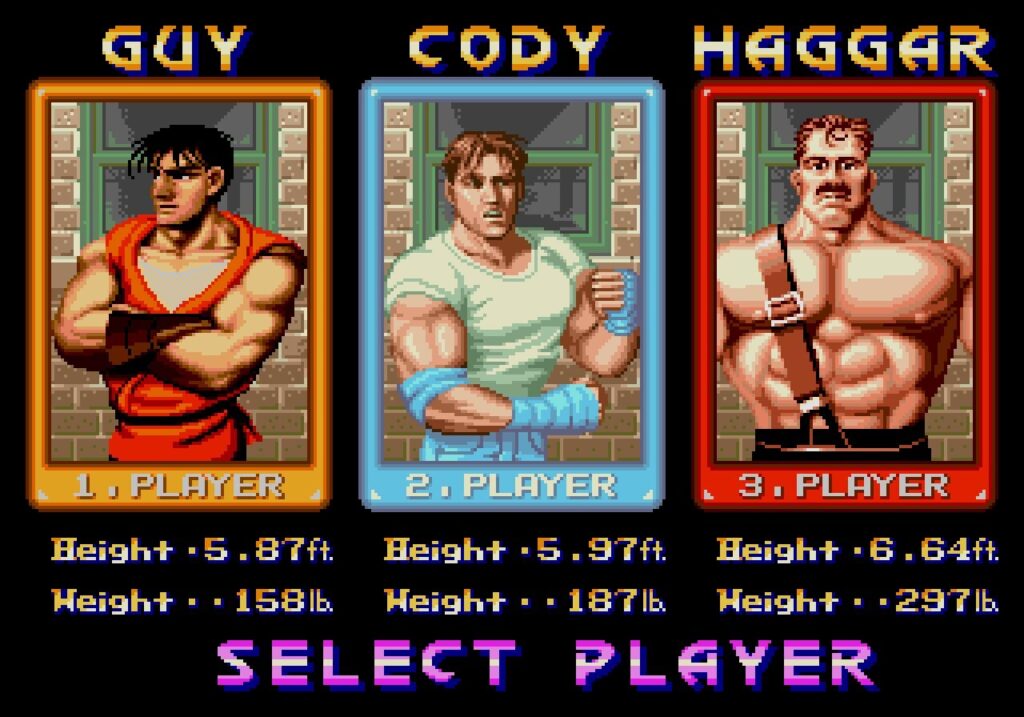
I accidentally saw that some enthusiasts are developing a MD version of “Final Fight” that can be played by three people at the same time. They even added MAKI from SFC “Final Fight 2”, which is a very dreamy combination setting. Since it is often seen that many European and American game developers like to develop MEGA DRIVE 16 BIT games, what is the charm of MEGA DRIVE 16 BIT (Genesis)?
Nostalgia and the player market
Mega Drive was one of the most popular consoles in Europe and the United States in the 1980s and 1990s, with a huge base of nostalgic players. Many developers themselves are players of that generation, have feelings for this console, and want to “give back to their childhood” with their creations. Europe (particularly France, the UK, Spain) and Brazil have always had strong Mega Drive communities supporting new titles like this.
Development difficulty and technical attractiveness
Compared to modern game engines, the Mega Drive’s hardware has clear limitations (e.g. number of colors, number of sprites, sound channels). This “restricted creative environment” actually stimulates developers’ desire for challenges, similar to the tradition of “8-bit demoscene”. There are ready-made development tools and C language/Assembly SDK (such as SGDK), which lower the entry barrier.
There is still hardware and market support
There are now specialized manufacturers (such as Mega Cat Studios and Bitmap Bureau) producing new cassettes that can be sold physically.
The player community likes “physical collections”, so this type of game is not just run on an emulator, but can actually be played on a Mega Drive with a card inserted. Brazil’s TecToy has been producing Mega Drives for many years and has also developed a unique long-tail market.
Independent development and cultural atmosphere
European and American independent game culture values ”experimentation”, “nostalgic style” and “uniqueness”, and 16-bit development fits perfectly. It doesn’t require AAA-sized funding or a team, one or two people can make a complete creation. Many developers will participate in events such as Retro Game Expo and Pixel Day, which has become a community culture.
Summarize
European and American developers like to make new games for Mega Drive because of the nostalgic market + technical challenges + community atmosphere + still hardware support, which makes this more than 30-year-old console still full of vitality.
So what about SFC with the same 16BIT?
In fact, the Super Nintendo (SFC) is also very popular in the retro gaming community, but compared to the Mega Drive, the proportion of investment from European and American developers is indeed slightly less. The reasons can be seen from several perspectives:
SFC also has a huge fan base
SFC is also extremely popular in North America and Europe (even more successful than Mega Drive), so the demand for nostalgia exists. Many players have deep feelings for classic JRPG and platform games such as “The Legend of Zelda: The Triforce of All Creatures”, “Super Mario World”, “Sword Densetsu 2”, and “Final Fantasy VI”. Therefore, there are also teams in Europe and the United States that choose SFC as a development platform, especially for RPG-style works.
More difficult to develop
The hardware architecture of SFC is more complex than that of Mega Drive. The PPU (image processing unit) supports special effects such as Mode 7, transparency, and layered scrolling, but it is not easy to master. The CPU (Ricoh 5A22) is much slower than the Mega Drive’s Motorola 68000 and needs more optimization.
Therefore, for independent developers, Mega Drive development tools (such as SGDK) are more mature and closer to the C language, and the threshold is relatively low; SFC often requires a deeper Assembly program foundation.
Hardware sales and collection market
The SFC cassette structure is more complex than the Mega Drive and the manufacturing cost is high, resulting in a higher threshold for the release of new games. However, there are still some specialized companies (such as Piko Interactive and Retro-Bit) that continue to produce new SFC cassettes. The collector community remains enthusiastic, especially those who like RPGs and 16-bit pixel art.
social cultural differences
Mega Drive’s European and Brazilian communities are very active and often hold exhibitions and competitions (so developers will give priority to support).
The SFC community prefers ROM hacking. For example, the fan modification ecosystem of “Super Mario World” is extremely large. In other words: SFC’s “creative passion” is mostly focused on MODs/fan modifications rather than original new works.
Summarize
Mega Drive has mature development tools, low cassette production costs, and particularly active communities in Europe, America, and Brazil, so there are still many original new games appearing today. In comparison, SFC’s hardware is more complex and production costs are high. Most of the community focuses on ROM modifications (such as various Mario MODs). Therefore, the number of original new games is relatively small, but its huge nostalgia market is still quite powerful.