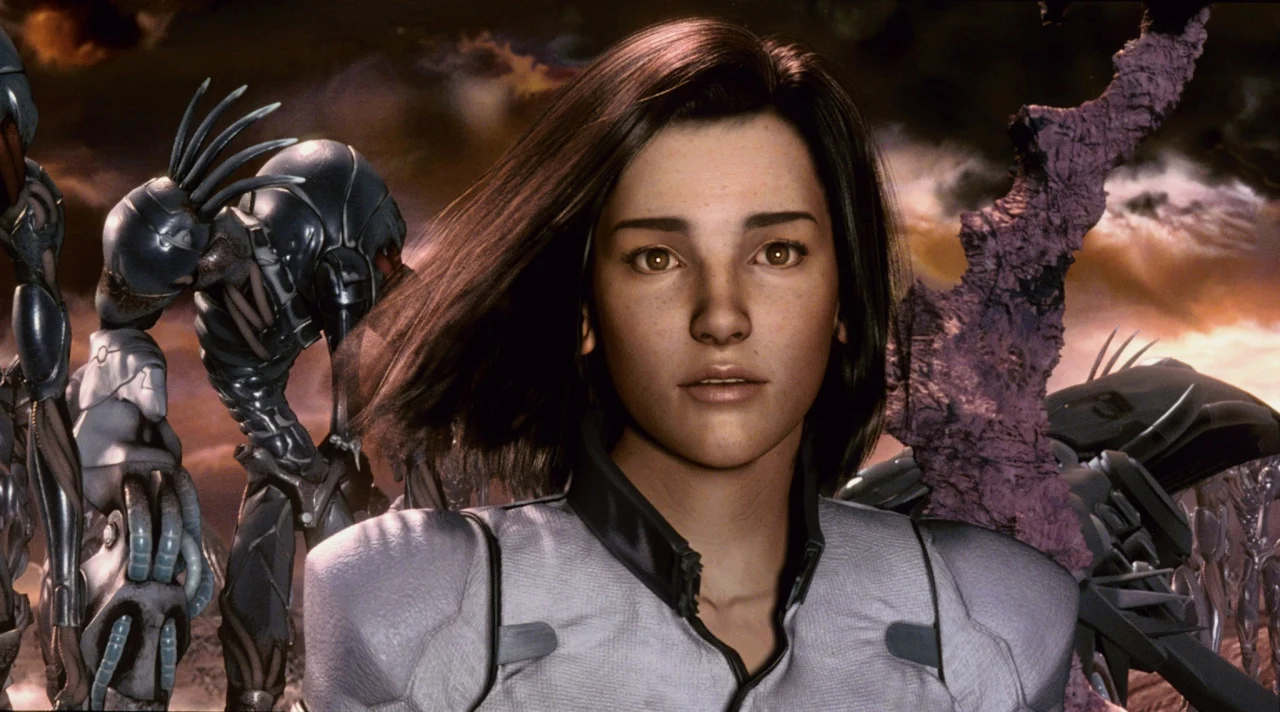
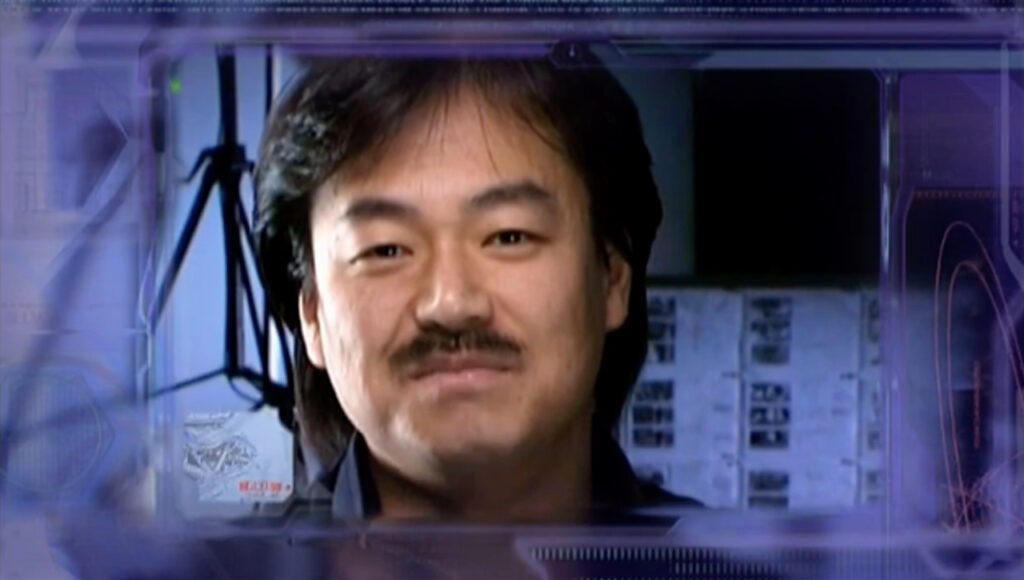
In 2001, a sci-fi animated film “Final Fantasy: The Spirits Within” from Japan, produced entirely with CG, was officially released. This movie is not only the first time that the “Final Fantasy” series has stepped onto the Hollywood big screen, but it is also a dream work that series creator Hironobu Sakaguchi devoted himself to writing and directing it himself.
However, waking up from this dream was very painful in the end. After its release, the global box office only recovered US$85 million, with a loss of up to 94 million, which directly led to the closure of Square Pictures. Hironobu Sakaguchi’s position at Square also plummeted, and he chose to leave two years later.
From a technical perspective, The Spirits Within is truly astonishing. Protagonist Aki Ross has 60,000 individually rendered hair and a body made up of more than 400,000 polygons, a level of realism that even shocked Hollywood. These technologies also indirectly influenced the visual presentation of later works such as “Avatar” and “Mass Effect”. But the story of the movie itself left the audience confused.
This is because Hironobu Sakaguchi chose to use an original plot, all-English dialogue, voiceovers by Hollywood stars, and attempted to dominate the market with Western audiences. However, he overlooked a key issue: Although the movie bears the name “Final Fantasy”, the content is not related to any game series. There is no magic, no knights, no crystals, and no familiar world view setting. For old fans, this is unfamiliar content wrapped in a familiar veneer; for casual viewers, it is too abstract and difficult to understand. If you watch it as a brand new science fiction film, you might think it’s not that bad.
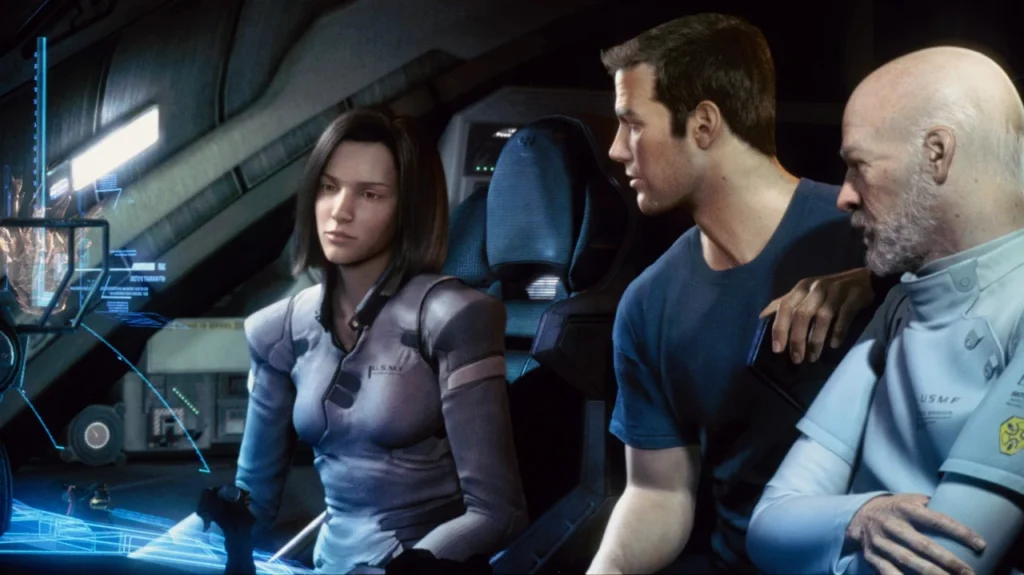
Characters such as Aki, Gray and Dr. Sid embark on a soul-saving mission to save the earth in the movie. The background setting combines concepts such as alien ghosts, Gaia, the soul of the earth, and Zeus energy cannons. However, the entire film has a heavy tone, strong philosophical meaning, and a slow narrative pace. This leads to the public’s perception of “What on earth did I watch?” when watching the movie! Especially the part where the story advances very slowly. This shortcoming is even more obvious when you step into the cinema to watch it.
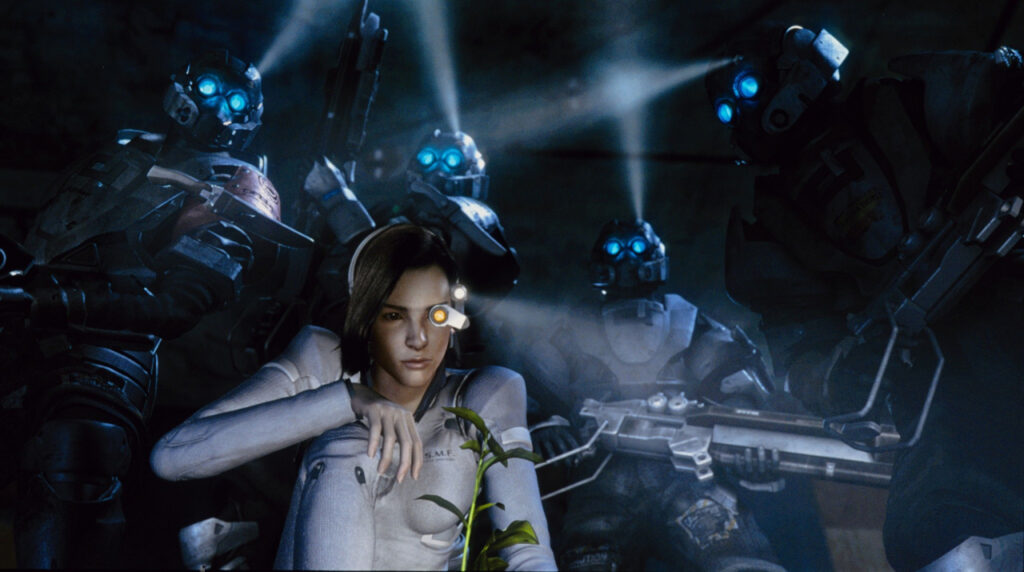
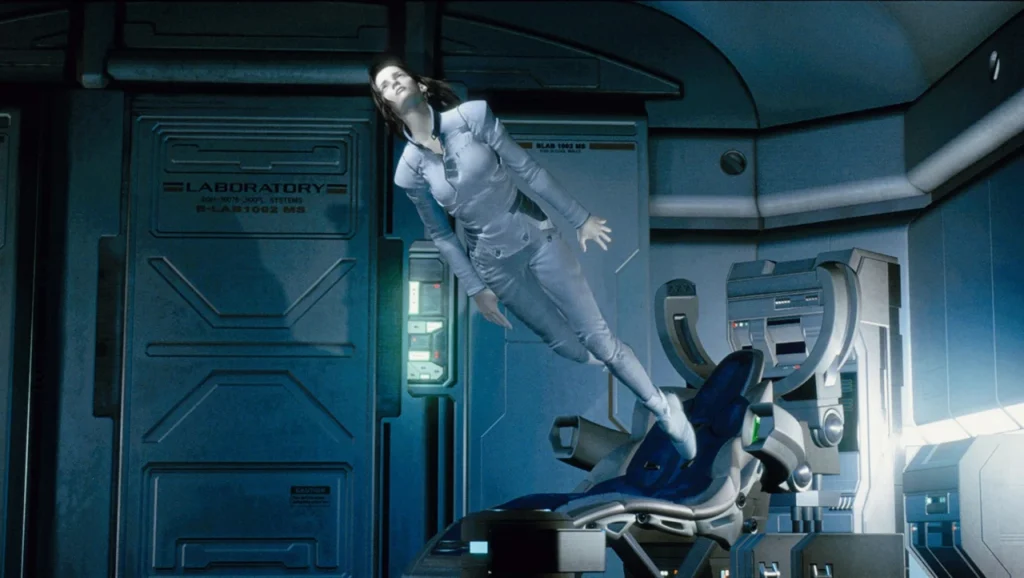
At that time, CG animations such as “Toy Story” and “Antz” had become popular around the world, but these characters were all cartoon-style. “The Spirits Within” chose to create characters that are close to real people, and ultimately fell into the “uncanny valley” effect: the more real people are, the more uncomfortable they are. This directly affected the audience’s viewing experience and also dragged down the box office.

This movie falls into the so-called “Uncanny Valley effect.” This concept originally originated fromJapanese robotics expert Masahiro MoriIt is proposed that the more realistic the appearance of a humanoid character, the more likely it is to cause uneasiness and disgust in humans, because it“Looks almost human, but something is wrong.”。
In “Final Fantasy: The Spirits Within”, the character’s appearance pursues realism, and the skin texture, eye gloss, and lip opening and closing are all made extremely detailed, but it is“Missing a breath”, causing the audience to be unable to invest in the emotions of the characters, and only feel a cold and fake feeling. This is why the audience’s reaction at the time was not“Wow, they look like real people”, but “Why do these people look a little weird?”。
If you think that Hironobu Sakaguchi actually doesn’t understand movies and it is inevitable that he will make a piece of garbage and fail, then let’s take a look at the director of “Forrest Gump” Robert Zemeckis! The Hollywood director has also used similar technology to shoot “The Polar Express”, “Beowulf”, and “A Christmas Carol”, which are movies you have always seen. In fact, the results were equally dismal. The CG works that really moved the audience were the technologies used on “non-humans” like “Avatar”, which avoided the uncanny valley and achieved a box office success of more than 2 billion!

Shortly after Hironobu Sakaguchi left Square, in November 2002, a press conference jointly announced by Yoichi Wada, Yasuhiro Fukushima, and Keiji Honda officially revealed the merger of Square and Enix, which also symbolized that the two JRPG master IPs “Final Fantasy” and “Dragon Quest” have since become brothers under the same company.
Hironobu Sakaguchi’s huge bet not only caused Square Pictures to collapse, but also put Square’s financial crisis in jeopardy. Fortunately, the sales of “Final Fantasy
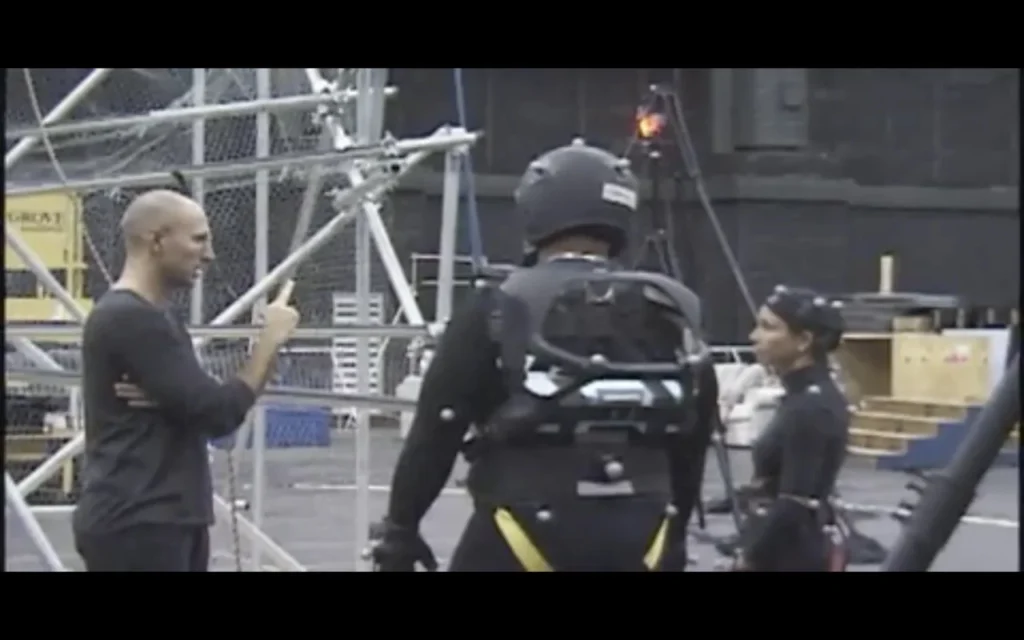
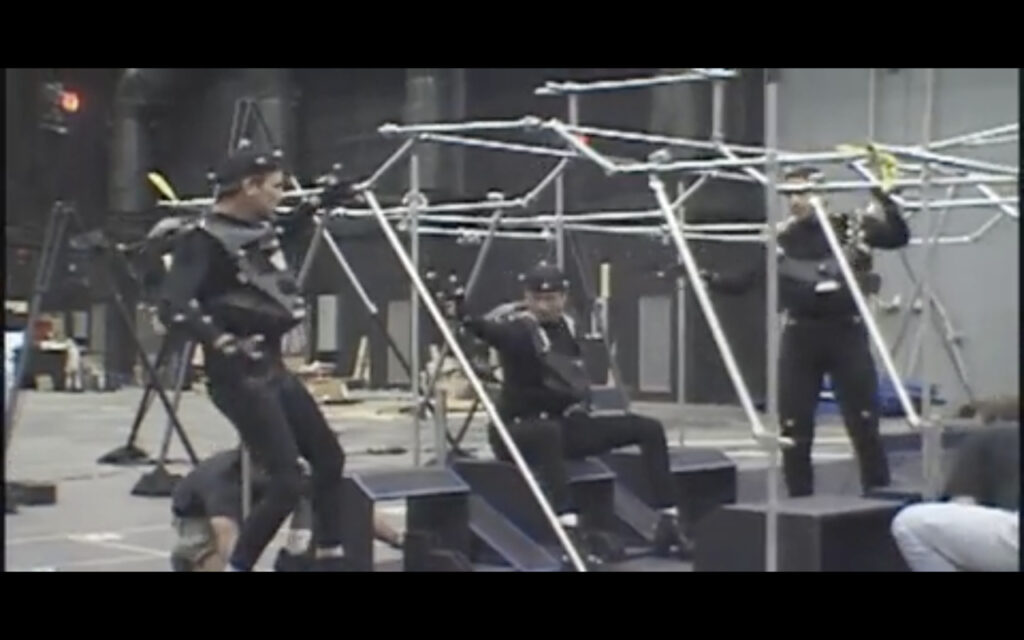
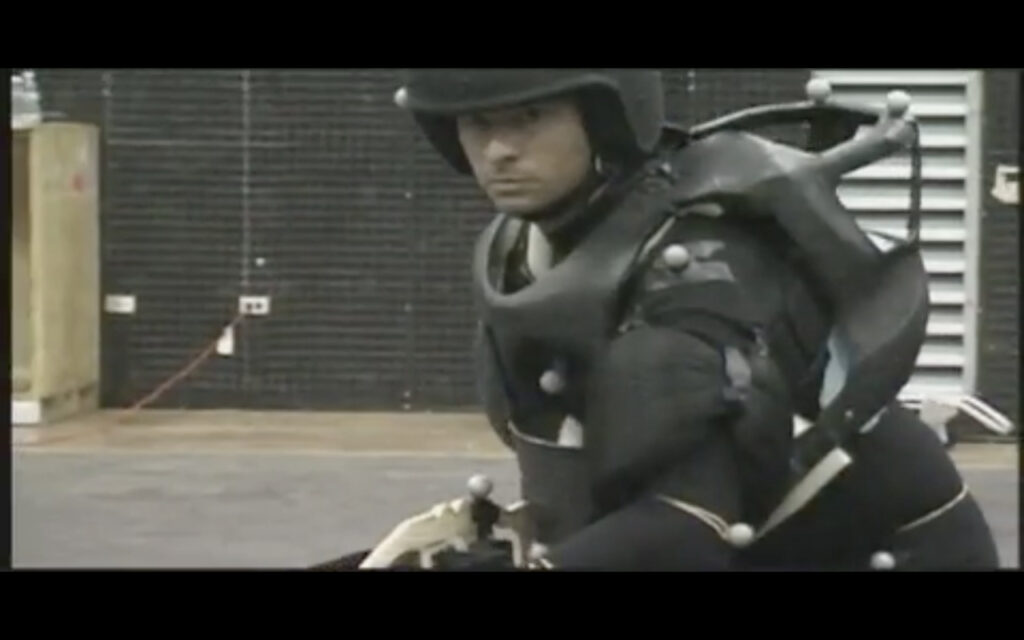
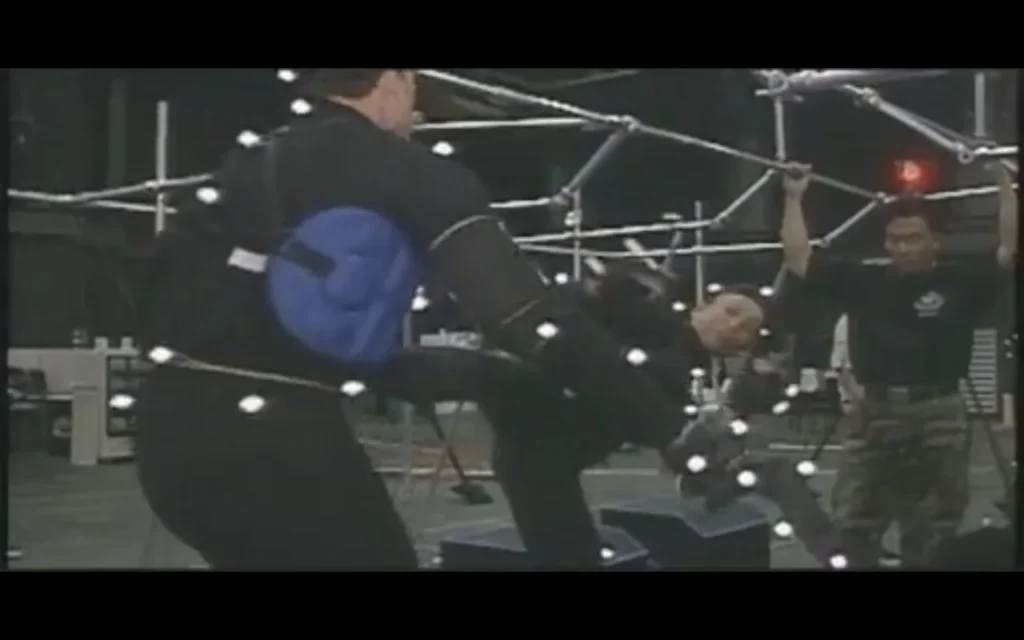
I remember reading a report back then. Not only did the movie use a lot of motion capture, but in order to save budget, hundreds of Celeron computers were purchased for rendering calculations.
After that, Sakaguchi Hironobu left Square and founded Mistwalker on his own, and launched “Blue Dragon”, “Lost Odyssey” and other works. He returned to game creation. In recent years, he has also produced mobile game works, but he always felt that something was missing. It’s a pity that Microsoft has now retreated from Asia, and the XBOX brand in Asia exists in name only, leaving only Gamepass players to enjoy, which is really sad.
The lesson of this movie disaster is still worth pondering today: when a game is adapted into a movie, if the original work is completely discarded and only the name is left, it may not only fail to please movie fans, but also ordinary audiences.