The localization chaos of the Game Boy’s golden age has always been an evocative phenomenon in gaming culture. Some games only have one or two sentences wrongly translated, while others have completely rewritten the plot, characters, and covers, as if the entire game has been washed and repackaged. Do you remember playing a weird game where the main character could transform into a robot, and some people remembered it as the male protagonist, while others insisted it was the female protagonist? This is one of the most representative disaster cases. From the gender swapping of characters, magical changes to the plot, to the confusing order of naming, and making the sequel more famous than the previous one, the level of chaos in this series was definitely a negative example in the history of games at that time!
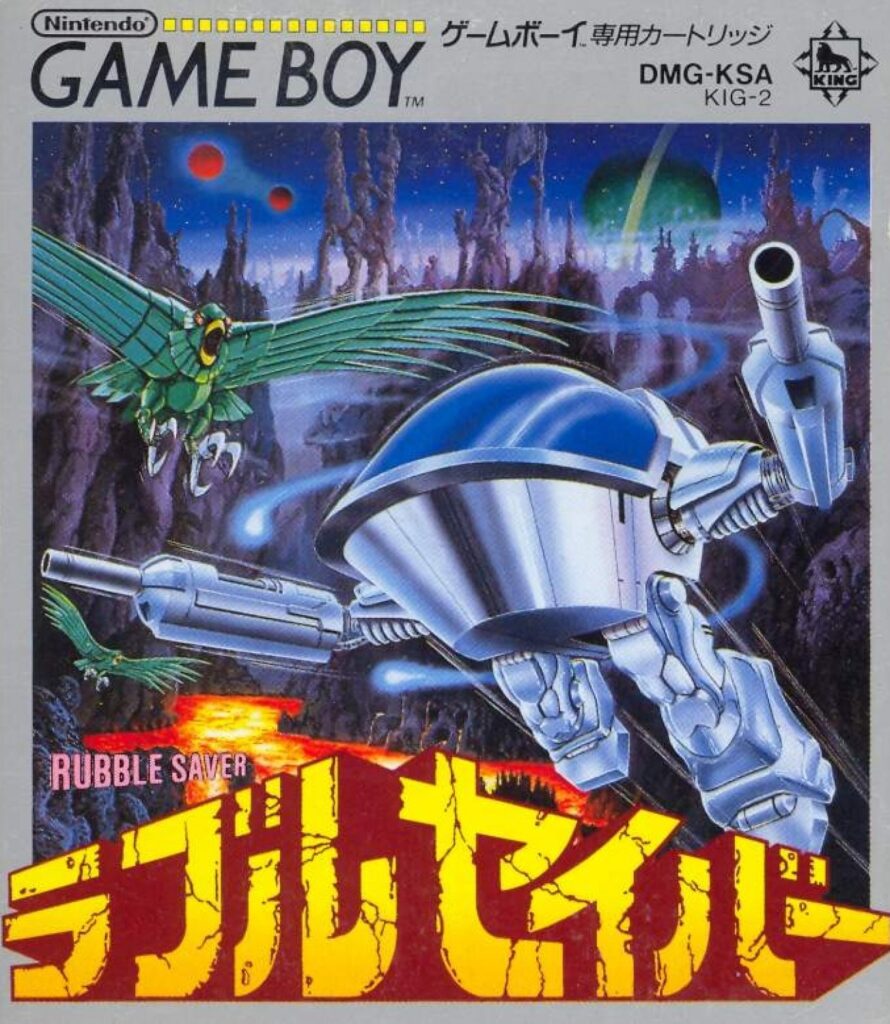
When this game was originally released in Japan, it was called “Rubble Saver.” The story is about a younger sister driving a robot to fight against alien creatures, and embarking on an adventure to save her kidnapped brother. The plot structure is actually very typical, a heroic story with a bit of a tokusatsu style.
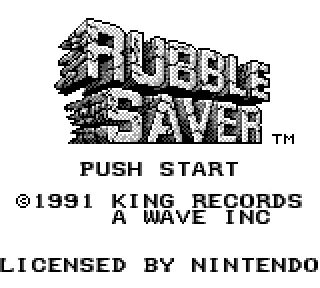
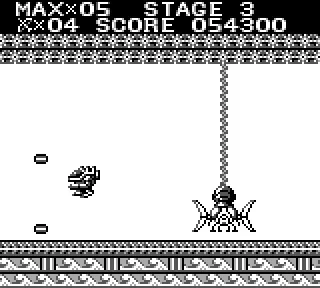
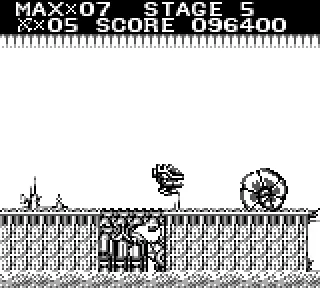
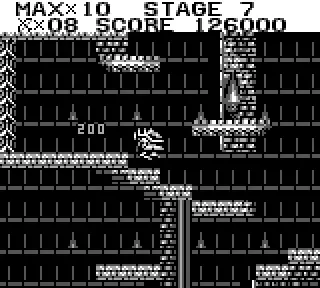
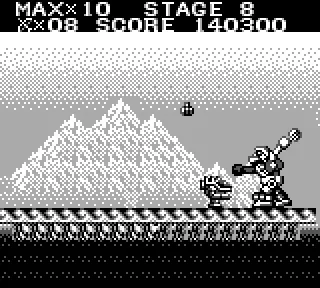
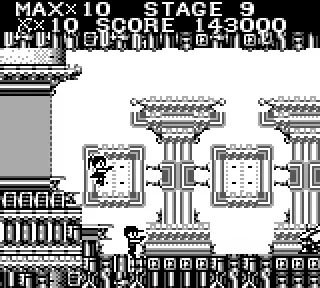
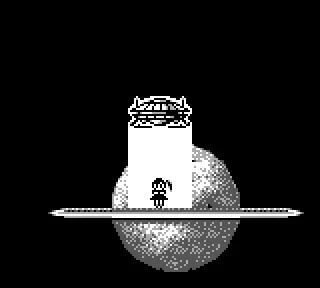
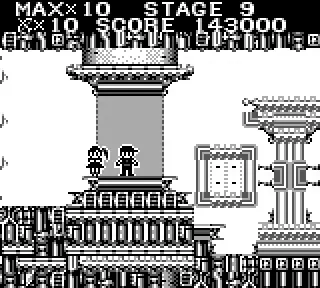
The robots in the game can combine and transform, and special animations will appear during battles. Although the graphics are Game Boy, the overall design is quite stylish.
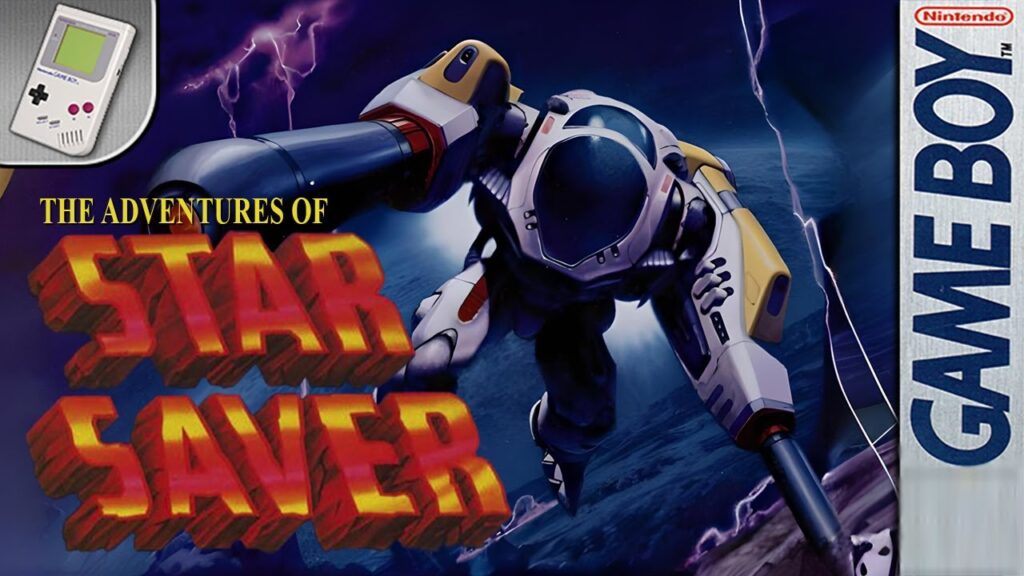
As a result, when it came to the American market, the game was renamed “The Adventures of Star Saver”. The name alone is no longer close to the style of the original work, and even the plot has been completely rewritten. The protagonist has changed from a sister to an older brother, and the mission has become to rescue the sister who was abducted by aliens. Such plot changes are not just as simple as gender reversal. Although the robot fusion scene is still retained in the game, the US version of the manual contains no explanation from beginning to end, leaving players completely confused as to why the character suddenly transformed into a robot.
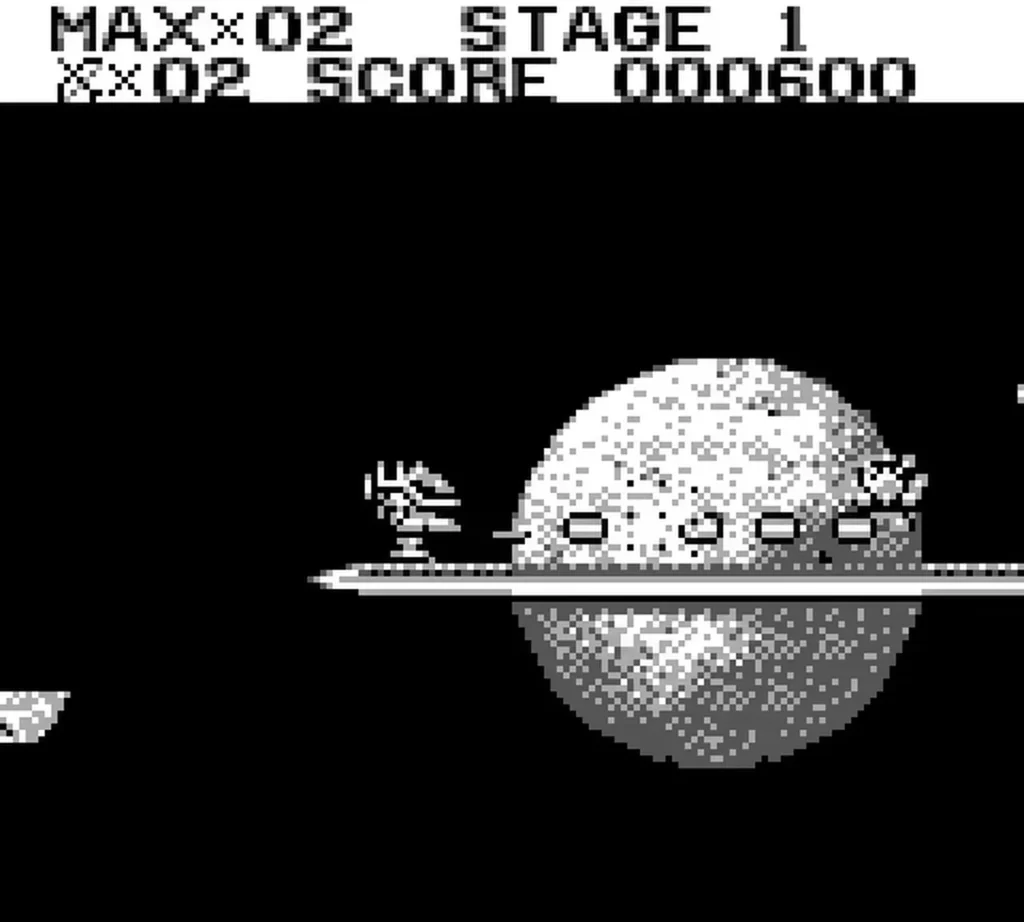
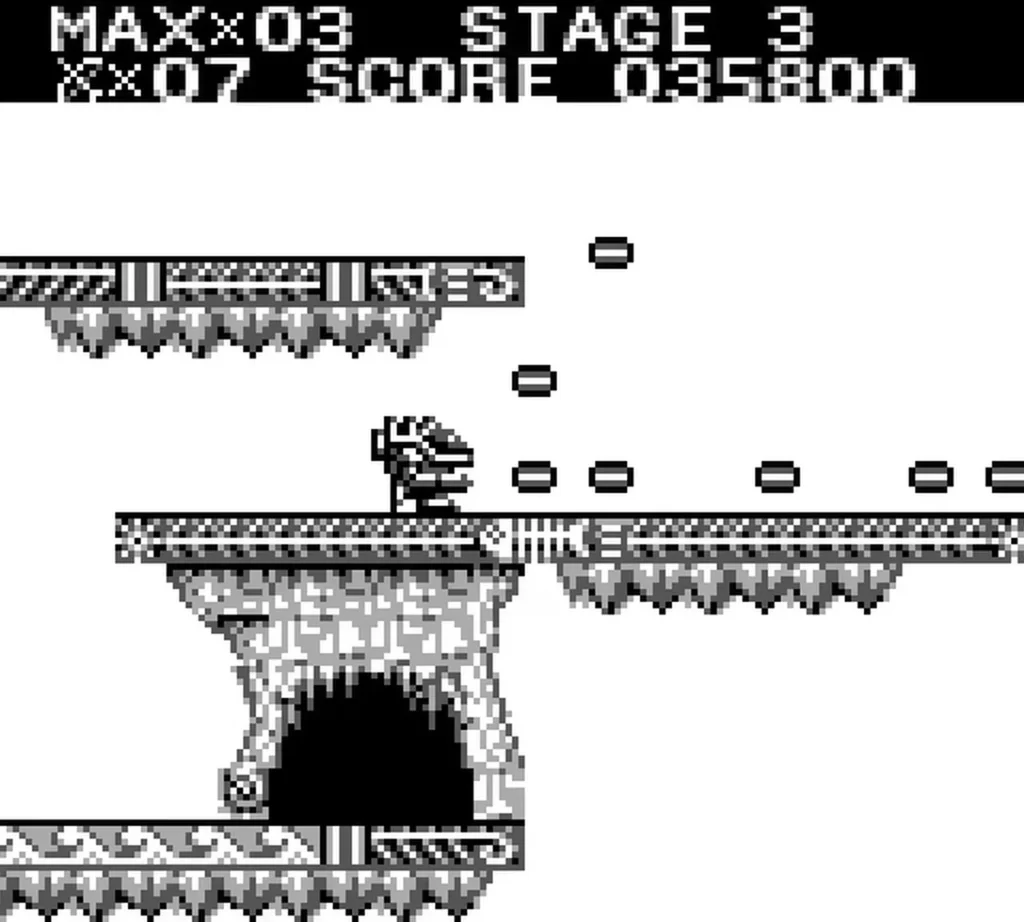
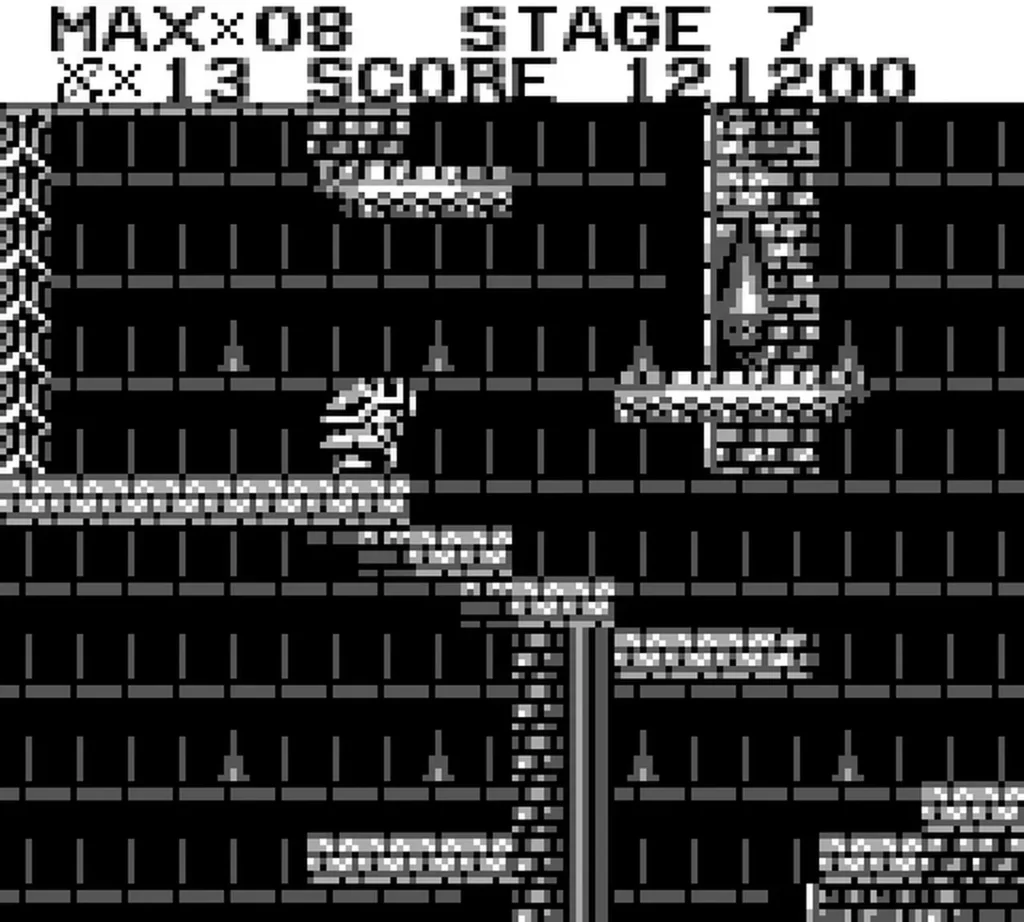
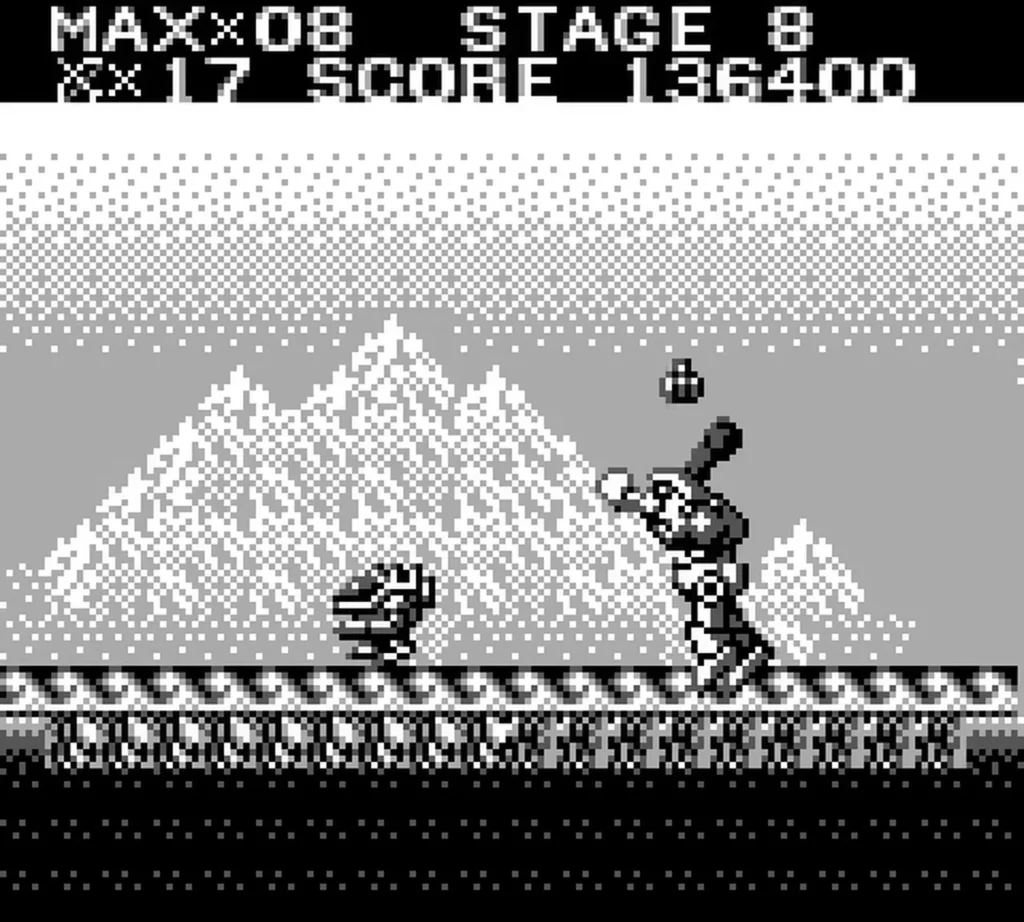
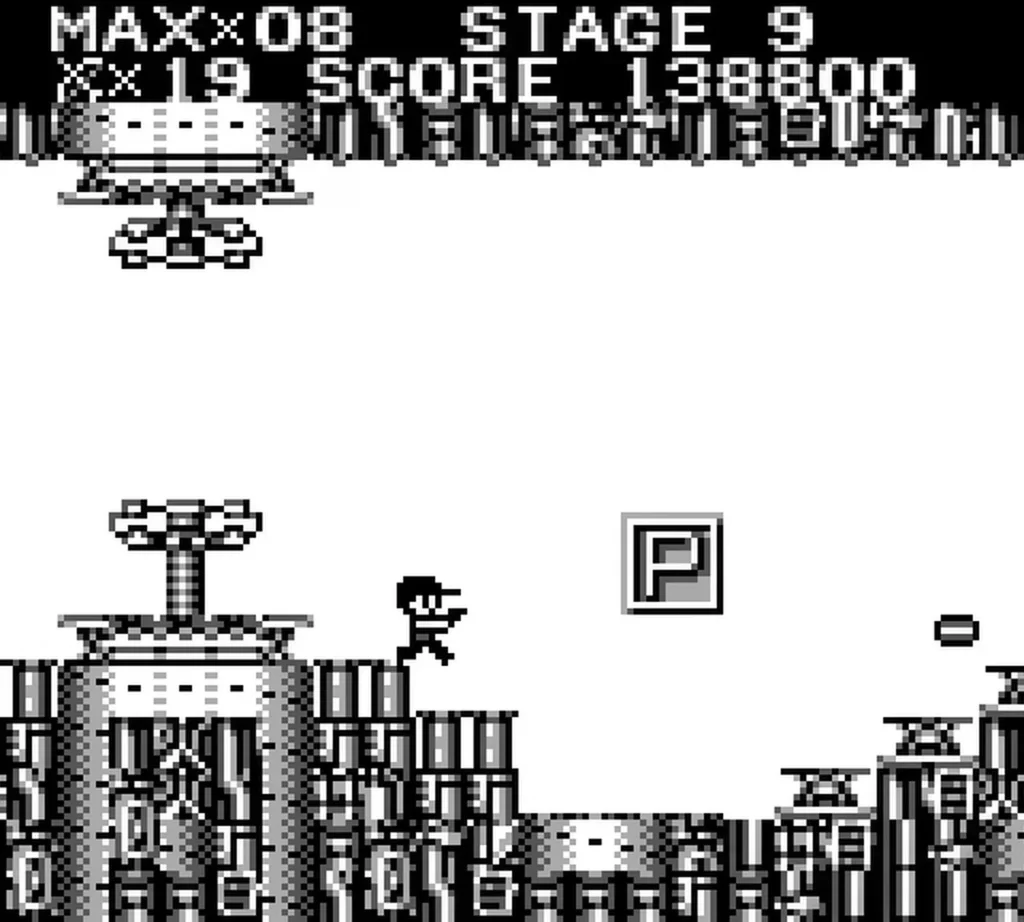
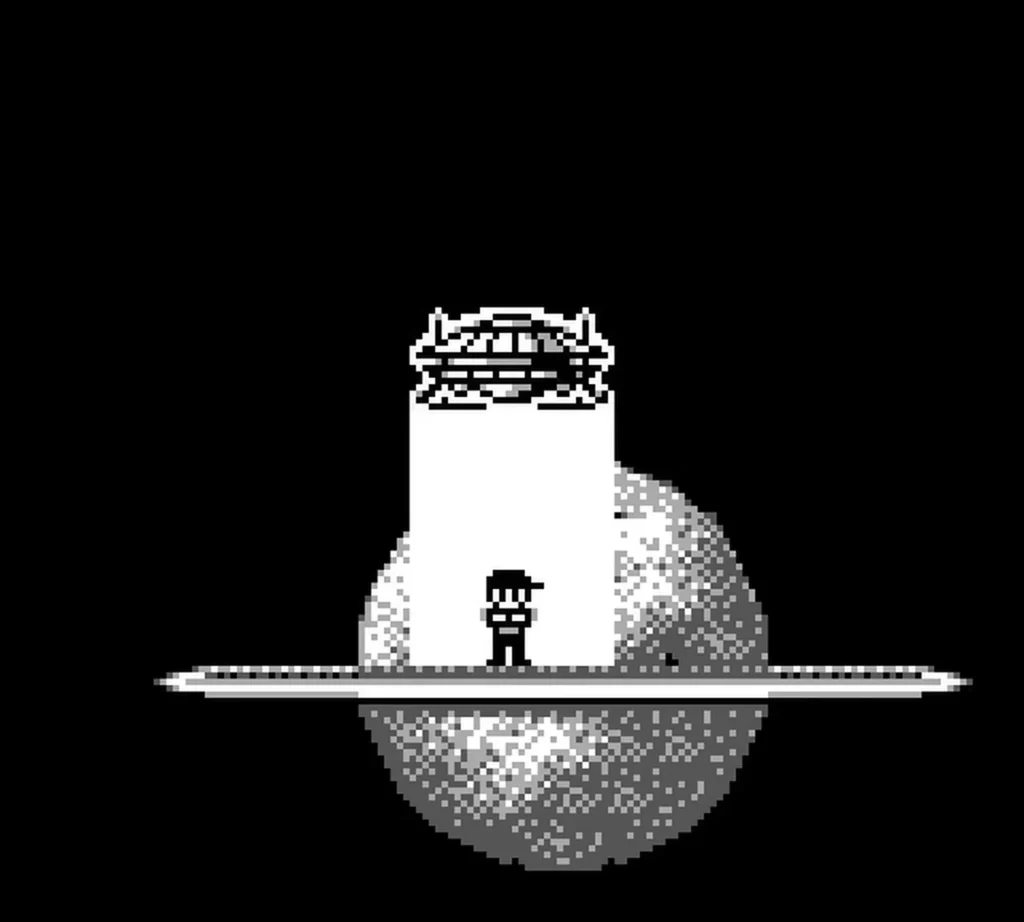
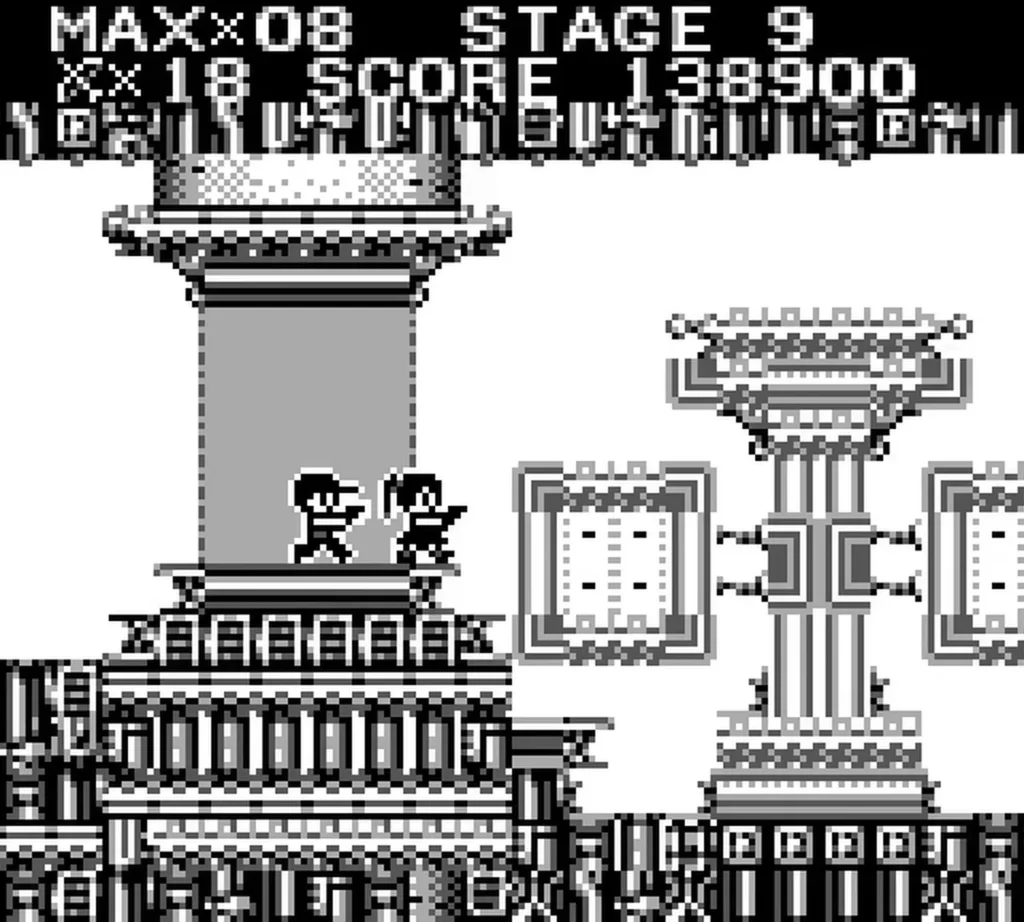
The sequel’s naming confusion leaves players confused
Even more ridiculous is the naming of the sequel to this series. The second episode of the Japanese version is naturally called “Rubble Saver II”. Although there is no American version, the European version is directly called “MAX”. The game content is exactly the same as the Japanese version of “Rubble Saver II”. Only the title, cover and instructions have been adjusted for European localization. The gameplay, protagonist appearance and robot integration system have not been changed.
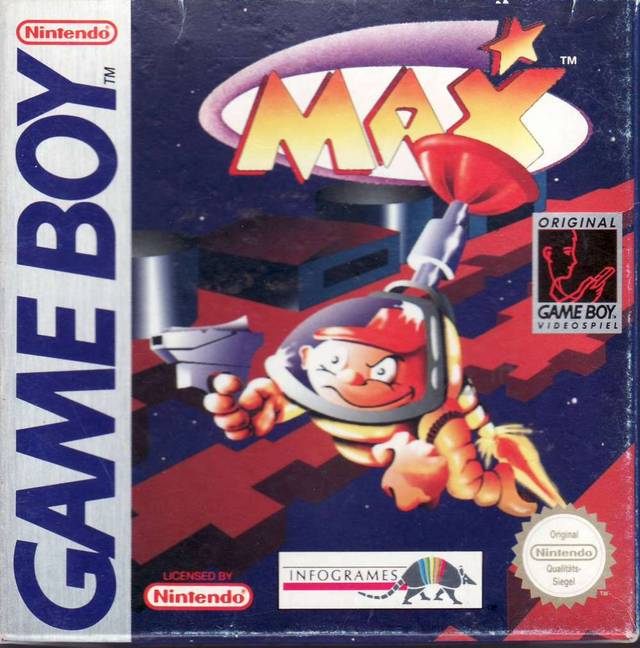
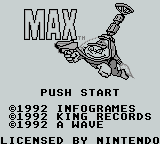
This European version is published by Taito, but it does not change the plot setting like the American version, so it can be regarded as a version that “faithfully retains the original plot but changes the name”. This is also a very rare example:The sequel has not released a North American version, but a European version has been released.


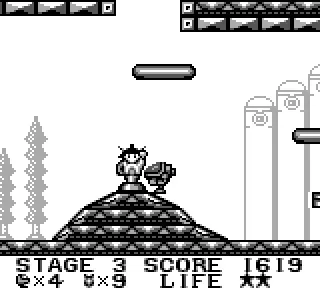
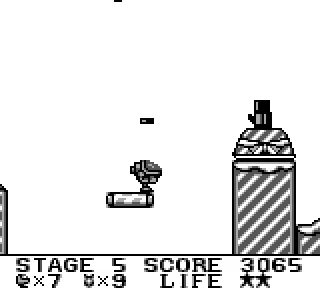

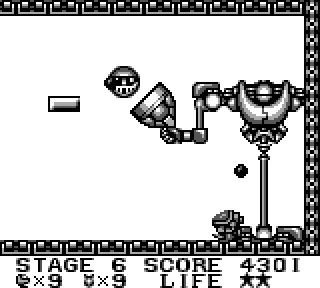
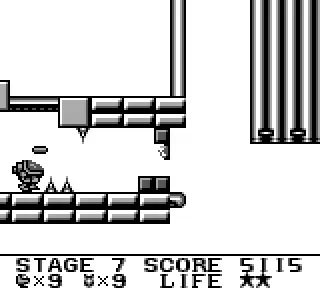
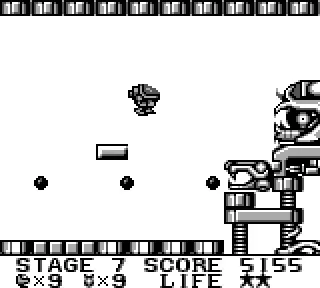
The gameplay design is simple and lively but not lacking in ingenuity.
The game itself isn’t actually that bad. The gameplay is a standard horizontal platform action, with two attack methods: melee combat and energy shooting. Some scenes also include wall rebound and special jumping skills. Players can pick up props to summon robots to fuse together and enter enhanced mode. At this time, the character will transform into a robot form, with improved firepower and defense, and can use special skills. Although the overall difficulty is not high, the pace is fast and the operation feels good. It is considered to be above average among similar Game Boy games.
The evaluation and market performance of the year were mediocre.
In terms of market evaluation at that time, Japanese game magazines gave this work a general review, saying that the gameplay was smooth but lacked features. This work was not promoted as a flagship product from the beginning, and naturally it was not remembered by the market.
In terms of sales, according to informal estimates, this game was a second-tier sketch in both Japan and North America, and did not enter the ranks of the best-selling games of the year. However, because the development cost is not high, and the sales volume of the Game Boy platform is already easy to increase, this game still sold a certain number. Because of this, this game later became one of the common contents of pirated cards.
Pirated copies of the cards actually made the sequel more famous
Interestingly, among the all-in-one Game Boy bootleg cards from the late 1990s and early 2000s, the one that most often appeared was not Episode 1, but Episode 2, the sequel called Rubble Saver II.
Nostalgic memories in anachronism
To sum up, the “Star Saver” series is the epitome of a typical early localization chaos. From plot changes to naming confusion, from character image reconstruction to lost sales strategies, it shows all the absurdities that may occur in the cross-market promotion of games in that era. And all these absurd misplacements have left this series with a special memory trace in history, allowing players to still talk about it many years later.
If you have ever played an inexplicable Game Boy side-scrolling game as a child, in which the protagonist suddenly transformed into a robot, then you are probably one of the people affected by this history of game modification.